Appliances · Buying Guide
Best Non Stick Electric Skillet Options for Easy Family Meals
Finding the right cooking appliance can transform how you handle weeknight dinners, weekend breakfasts, and large family gatherings. A non stick electric skillet provides a versatile countertop cooking space that heats evenly without requiring a traditional stovetop. These convenient appliances let you sear, simmer, fry, and warm various recipes in a single pan.
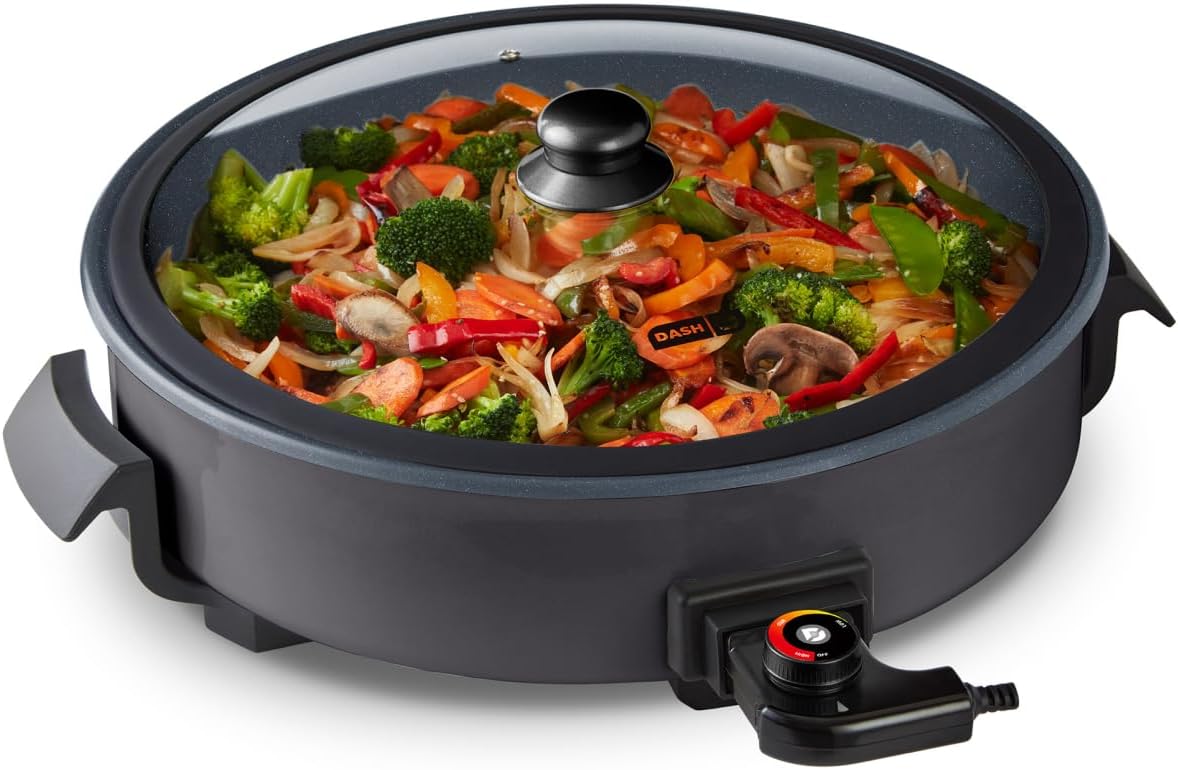
Modern electric skillets feature reliable temperature controls, durable nonstick coatings, and tempered glass lids to monitor cooking progress easily. Whether you need a compact model for quick side dishes or an extra-large capacity pan to feed a hungry crowd, understanding the core features helps you select the ideal countertop companion for your kitchen routine.
As an Amazon Associate, StacyLaughs earns from qualifying purchases.
Buying guide
Surface Materials and Coatings
Choosing the right interior coating determines how easily food releases and how simple your cleanup routine will be after cooking complex meals. Modern ceramic and marbleized stone-finish surfaces offer smooth non-stick properties that minimize oil requirements during everyday frying. These advanced materials help prevent delicate foods like eggs, fish, and pancakes from sticking to the base, ensuring frustration-free cooking experiences for home chefs.
While traditional non-stick options perform reliably, newer PFAS-free ceramic variations provide an appealing alternative for buyers seeking scratch-resistant durability. Always review manufacturer care instructions regarding utensils, as using wooden, nylon, or silicone tools helps preserve the delicate coating integrity against premature wear and surface scratches over years of regular use.
Sizing and Capacity Needs
Evaluating cooking capacity ensures your electric skillet matches your household size and typical meal preparation habits. Compact twelve-inch square models suit single occupants or couples who prepare modest portions for daily breakfasts and quick dinners. These smaller footprints require less counter space and fit easily inside standard kitchen cabinets without creating major storage obstacles during busy weekdays.
Larger fourteen-inch surfaces and extra-deep ten-quart options accommodate meals for six to eight people, making them essential for hosting guests or batch cooking weekly dinners. However, these larger appliances demand substantial storage room and heavier lifting during transport. Balance your daily guest count against available kitchen space before selecting a pan.
Temperature Control Mechanisms
Precise temperature control is vital for achieving consistent cooking results whether you are slow-simmering a rich chili or searing meats at high heat. Most quality electric skillets feature removable probes equipped with adjustable dials ranging from 200 to 450 degrees Fahrenheit. These precision probes cycle automatically to hold your exact thermal setting, eliminating unpredictable hot spots across the entire cooking area.
A fully embedded heating element running beneath the pan floor ensures rapid and uniform heat distribution across the entire cooking surface for professional-style browning and frying. Removable probes also offer practical cleaning benefits, allowing you to immerse the main skillet body safely in sink water once detached.
Cleaning and Maintenance
Keeping your electric skillet clean preserves its non-stick coating and extends the functional lifespan of the appliance. Many modern models feature fully immersible cast aluminum bodies and dishwasher-safe components, provided you detach the electrical temperature control probe beforehand. This thoughtful design simplifies routine after-meal cleanup significantly for busy home cooks managing daily family dinners.
Hand-washing with soft sponges and mild dish soap helps protect delicate ceramic or stone-finish surfaces from unnecessary scratching over years of heavy use. Always allow glass lids to cool completely before washing or placing them on cold countertops to prevent thermal shock and accidental cracking during your regular kitchen maintenance routines.
Storage and Portability
Countertop appliances can quickly crowd kitchen storage spaces if they lack thoughtful design adaptations for compact living areas. Some innovative models feature inverted lid structures and side-storage capabilities that save up to fifty percent of typical cabinet space. Integrated cord wraps and ergonomic handles also prevent tangled wires during storage periods in crowded pantries.
If you frequently travel for potlucks, tailgates, or family gatherings, look for secure lid clamps and sturdy transport builds that lock everything securely in place. These features prevent messy liquid spills and make carrying hot dishes much safer, though heavier cast aluminum frames require extra physical effort during transit across town safely.
Lid Design and Visibility
Tempered glass lids play a crucial role in trapping heat and moisture while letting you observe cooking progress without lifting the cover. Being able to closely monitor bubbling stews or simmering sauces helps maintain internal cooking temperatures and reduces overall meal preparation time. Vented lid designs also help release excess steam safely during active simmering.
Ensure the lid includes an insulated handle that remains cool to the touch during operation to prevent accidental burns when lifting the cover. Transparent glass construction combined with a secure rim fit ensures your ingredients cook evenly while keeping surrounding countertops protected from messy food splatters during frying tasks and liquid reductions.
Frequently asked questions
Can I wash my electric skillet in the dishwasher?
Many modern electric skillets feature dishwasher-safe components and fully immersible cast aluminum bodies, but you must always detach the electrical temperature control probe first. Submerging the appliance with the probe attached will permanently ruin the electrical internal components. Check your specific manufacturer guidelines to confirm whether the main pan and tempered glass lid are certified for top-rack dishwasher cycles or if hand-washing is recommended to preserve the ceramic non-stick coating over years of frequent family meal preparation.
How do I prevent food from sticking to a non-stick electric skillet?
To maintain smooth food release, use non-metal utensils such as wooden, silicone, nylon, or plastic tools that will not scratch the ceramic or marbleized surface. Avoid using aerosol cooking sprays, as propellant buildup can leave a sticky residue that degrades non-stick coatings over time. Instead, apply a small amount of cooking oil using a paper towel. Additionally, allow the skillet to preheat properly before adding food ingredients to ensure even searing and prevent premature sticking.
What is the advantage of a removable temperature control probe?
A removable temperature control probe allows you to dial in precise cooking temperatures ranging from 200 to 450 degrees Fahrenheit, depending on the model. This adjustability ensures consistent heat distribution for frying, simmering, and slow cooking without unpredictable hot spots. Furthermore, detaching the probe is essential for safely immersing the skillet body in water during sink cleaning and makes storing the appliance much more compact inside your kitchen cabinets between everyday cooking uses.
Are electric skillets suitable for cooking meals for a large family?
Yes, several electric skillet models offer generous capacities ranging from six quarts up to ten-and-a-half quarts with extra-deep sidewalls. These family-sized appliances provide ample cooking surface area to prepare stir-fries, pancakes, casseroles, and one-pan dinners for six to eight people simultaneously. However, larger pans require significantly more storage room in your kitchen cabinets and heavier lifting during transport, so you should balance your crowd-feeding needs against your available counter and pantry space.
How can I store an electric skillet to save cabinet space?
Storing an electric skillet efficiently depends on the model's design features. Some specialized compact skillets feature an innovative inverted lid structure and sturdy transport clamps that allow you to store the unit securely on its side, saving up to fifty percent of traditional cabinet space. For standard models, detach the temperature probe and store it separately. You can often place the glass lid upside down inside the pan or store the unit flat in a spacious pantry shelf.