Appliances · Buying Guide
Best Non Stick Saucepan With Lid Options For Daily Kitchen Cooking

Selecting a reliable cooking vessel involves evaluating essential factors such as core materials, uniform heat distribution, and specific cleaning requirements. Modern kitchen setups benefit from vessels featuring specialized coatings designed to release food easily during daily meal preparation tasks. Understanding these core attributes helps home cooks find cookware that handles everyday boiling, simmering, and sauce reduction efficiently without frustrating sticking issues.
Available options range from compact capacities suited for single portions to larger versions accommodating varied recipes across traditional and induction cooktops. Reviewing individual specifications helps match the right pot to your specific stovetop type, storage constraints, and daily culinary routines. Taking time to compare these physical characteristics ensures long-term satisfaction and reliable performance across countless home-cooked meals.
As an Amazon Associate, StacyLaughs earns from qualifying purchases.
Buying guide
Choosing the Right Capacity
Selecting an appropriate capacity depends heavily on household size and typical meal types prepared in your kitchen routine. Smaller vessels holding around one to one and a half quarts suit single portions, melting butter, warming milk, or heating individual servings of soup and oatmeal without unnecessary crowding. These compact sizes store easily on shelves or inside crowded kitchen cupboards when not in active use.
Midsize options holding two quarts accommodate slightly larger portions or small side dishes for two people without taking up excessive storage space. Matching the internal volume to your daily cooking habits ensures efficient heat absorption and prevents ingredient overflow during active meal preparation. Evaluating your typical recipes beforehand prevents purchasing a pot that is either too restrictive or unnecessarily bulky for daily tasks.
Understanding Coating Materials
Non-stick surfaces vary significantly in composition, ranging from traditional granite and quartz-infused formulas to advanced ceramic options. Ceramic coatings provide toxin-free cooking surfaces manufactured without PFOA, PTFE, or PFAS, making them popular among health-conscious home cooks seeking reliable food release with minimal oil usage during daily meal preparation. These surfaces maintain smooth releases when treated with care according to manufacturer guidelines.
Granite and diamond-infused coatings offer enhanced scratch resistance and durability against wear during routine stirring and cleaning tasks. Reviewing the specific material composition helps buyers select a surface that aligns with their maintenance preferences, utensil choices, and desired longevity on the stovetop. Understanding these distinctions ensures the chosen coating withstands your specific cooking frequency and cleaning habits over time.
Evaluating Stovetop Compatibility
Ensuring a saucepan works with your specific kitchen range is essential for effective heat transfer and cooking performance. While many traditional aluminum pots function seamlessly on gas and electric coils, modern induction cooktops require a high-magnetic stainless steel base embedded into the cookware construction. Without this magnetic property, the burner will fail to recognize or heat the vessel during use.
Checking specifications for induction compatibility prevents purchasing an incompatible vessel that fails to heat up on magnetic glass cooktops. Confirming the base construction guarantees reliable daily operation whether you cook on modern smooth surfaces or traditional flame-based burners in your home kitchen environment. Prioritizing this compatibility step saves time and avoids frustrating performance issues after delivery.
Assessing Handle and Lid Design
Handle construction directly influences safety and comfort when lifting heavy liquids or moving pots across hot burners during meal preparation. Stay-cool bakelite handles or riveted stainless steel designs prevent excessive heat transfer, allowing secure grips during active stovetop stirring and pouring tasks. Ergonomic shapes reduce hand fatigue when managing hot ingredients over extended cooking sessions.
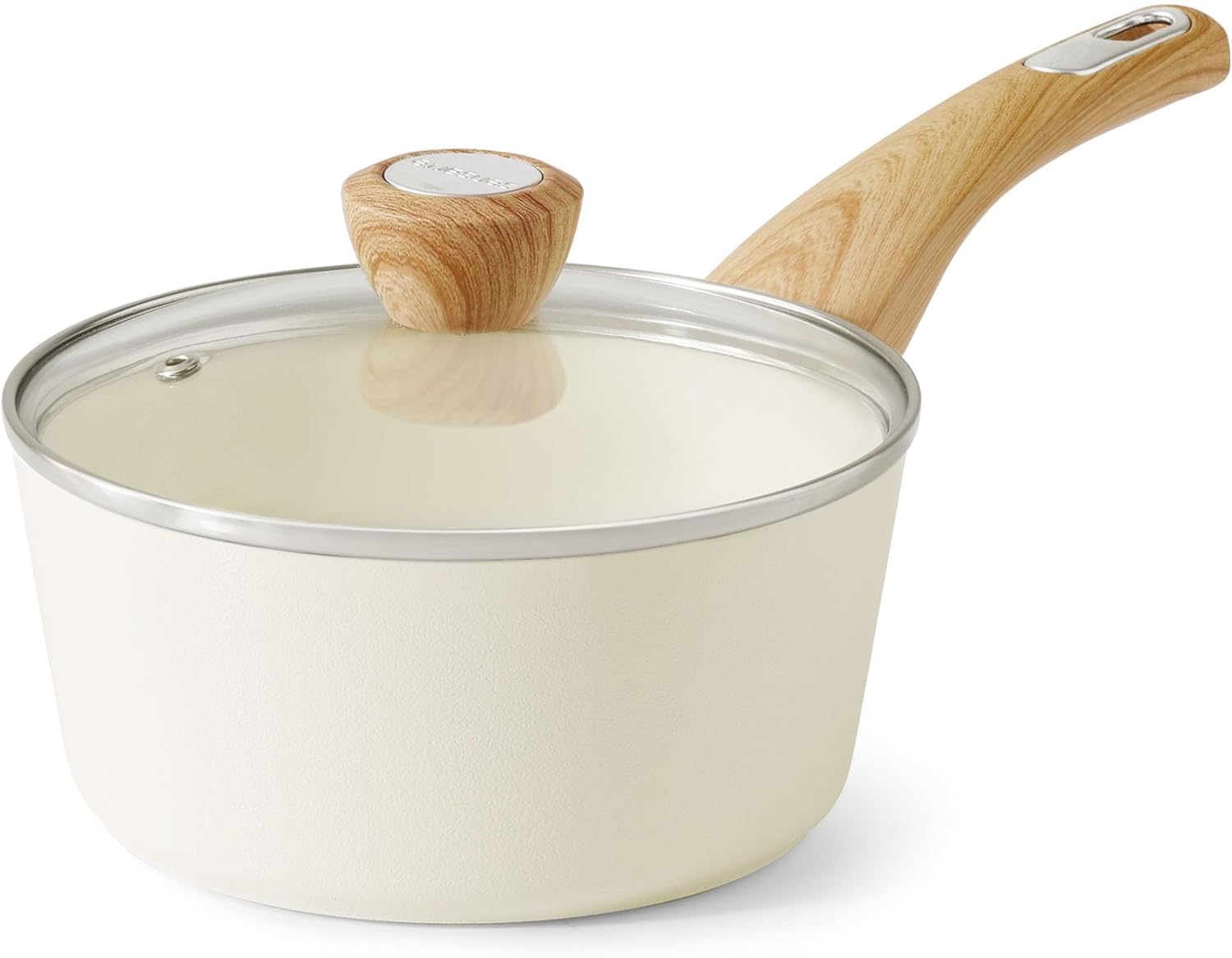
Tempered glass lids offer practical visibility, letting cooks monitor food status without lifting the cover and releasing accumulated heat or moisture. Drip-free pouring rims and rivet-free interior designs further enhance usability by minimizing messy spills and simplifying post-cooking cleanup routines around the kitchen space. Evaluating these physical features ensures a comfortable cooking experience tailored to your personal preferences.
Temperature Limits and Oven Safety
Many modern saucepans extend their versatility by offering oven-safe capabilities for finishing dishes or keeping meals warm before serving guests. However, temperature thresholds vary widely depending on handle materials, protective coatings, and lid construction, with some models capped at moderate heat levels around three hundred degrees. Exceeding these specified thresholds can compromise components like bakelite handles or specialized non-stick surfaces.
Reviewing maximum temperature ratings ensures the cookware remains undamaged when transitioned from stovetop searing to oven baking or aggressive broiler finishing. Matching your intended baking habits to the stated thermal limits prevents warping, handle degradation, or coating damage during high-heat cooking projects. Knowing these boundaries helps you choose a pot capable of handling diverse culinary requirements safely.
Maintenance and Cleaning Requirements
Proper maintenance preserves the non-stick integrity and overall lifespan of your kitchen cookware through consistent cleaning habits. While certain ceramic and granite pans recommend gentle hand washing with warm soapy water and a soft sponge, others offer dishwasher-safe convenience for busy households. Avoiding harsh metal scouring pads prevents unnecessary surface scratching that could ruin the non-stick properties over time.
Following manufacturer guidelines regarding cleaning tools and temperature adjustments protects delicate coatings from premature degradation. Adopting recommended upkeep routines ensures reliable food release performance and keeps your saucepan functioning smoothly over countless meals. Respecting these care instructions maximizes your investment and supports consistent cooking results every day.
Frequently asked questions
Are non-stick saucepans safe for use on induction cooktops?
Compatibility depends entirely on the specific base construction of the saucepan. Models featuring a high magnetic conductive stainless steel base work seamlessly on induction cooktops, alongside traditional gas and electric ranges. However, certain aluminum pots lack this magnetic base layer and will not function on induction surfaces. Always check the manufacturer specifications to confirm induction readiness before purchasing a saucepan for your specific kitchen range setup, ensuring efficient heating and proper burner recognition during daily meal preparation tasks.
Can I use metal utensils in a non-stick saucepan?
Using metal utensils depends heavily on the specific coating technology of your saucepan. Traditional non-stick surfaces easily scratch and degrade when contacted by metal forks or spoons, requiring wood, silicone, or plastic tools to protect the finish. In contrast, specialized diamond-infused ceramic surfaces are engineered to be metal utensil safe, resisting damage from regular stirring tools. Always verify the manufacturer guidelines for your chosen model to prevent accidental scratching and maintain smooth food release performance over time.
How should I clean my non-stick saucepan after cooking?
Cleaning non-stick cookware generally requires simple methods like hand washing with warm soapy water and a soft sponge or cloth. Avoid harsh abrasive scrub pads that can strip away protective coatings. Many modern non-stick pans feature rivet-free interiors and smooth rims that make wiping away food residue effortless. While some models indicate dishwasher safety, hand washing is frequently recommended to prolong the lifespan of specialized ceramic or granite coatings. Always follow specific manufacturer cleaning instructions to maintain optimal performance.
What is the advantage of a glass lid on a saucepan?
A tempered glass lid provides clear visibility into the pot, allowing you to monitor cooking status, liquid levels, and simmering progress without lifting the cover. This visibility helps retain heat and moisture inside the vessel, promoting even cooking temperatures while limiting messy splashes on your stovetop. Additionally, tempered glass construction offers durability against thermal shocks during normal use. Pairing a glass lid with a well-designed pouring rim greatly enhances overall cooking convenience and kitchen cleanliness.
Are non-stick coatings free of harmful chemicals like PFOA?
Many modern non-stick saucepans are manufactured without harmful chemical additives such as PFOA, PFOS, PTFE, lead, and cadmium. Swiss granite coatings and advanced ceramic surfaces are specifically designed to provide healthy, toxin-free cooking options that allow food release with minimal oil usage. Reviewing the product specifications ensures you select a saucepan that aligns with your household health standards and safety preferences, delivering reliable everyday meal preparation without unwanted chemical leaching concerns during cooking tasks.