Appliances · Buying Guide
Best Non Stick Stir Fry Pan Choices for Everyday Family Meals
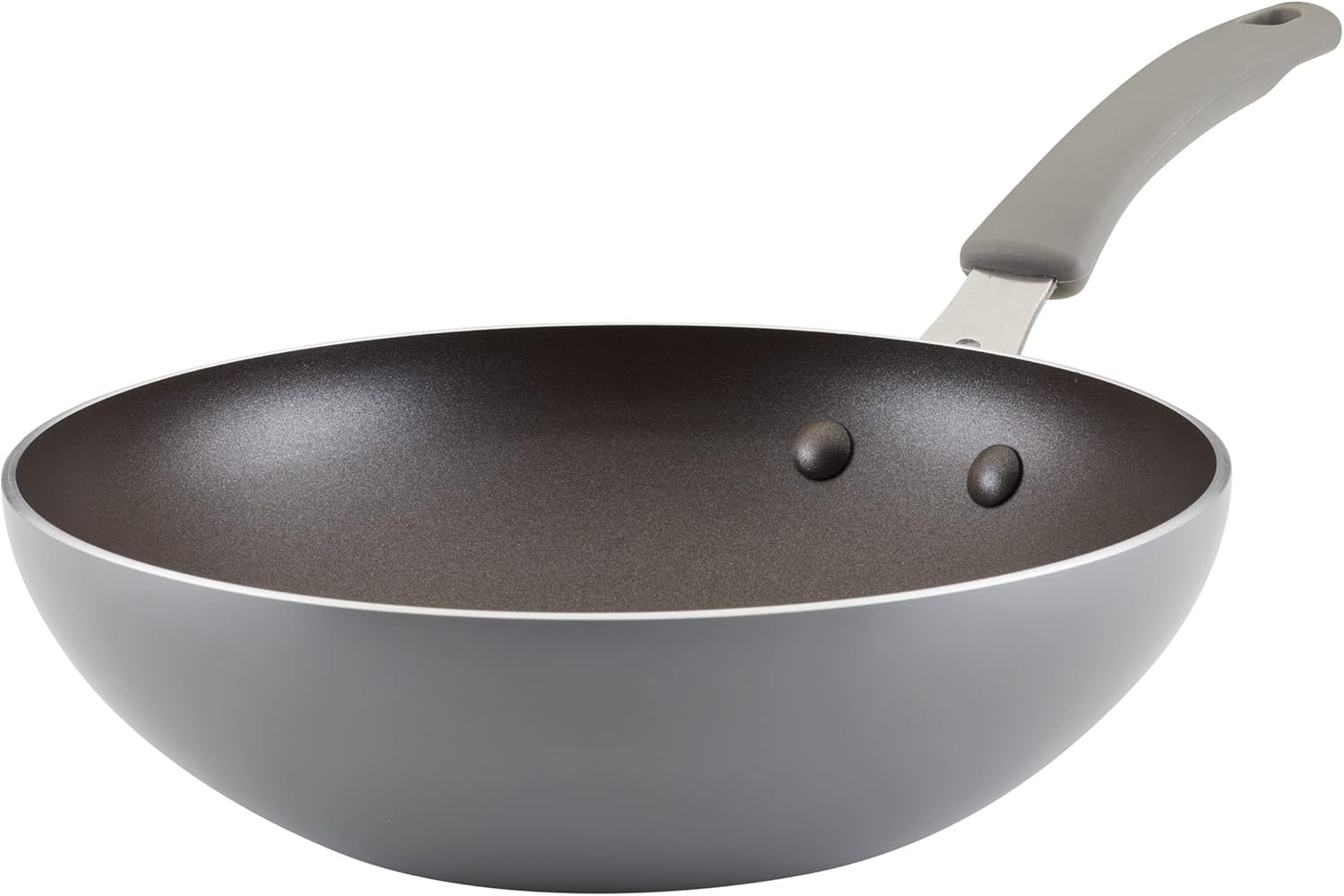
Finding the right non stick stir fry pan transforms how you prepare weeknight dinners, noodles, and seared vegetables at home. A quality pan combines a reliable nonstick coating with a steady flat bottom to handle high heat on various stovetops without wobbling. Whether you are tossing fried rice for a large family or simmering a quick vegetable medley, having dependable cookware makes the process much smoother and reduces cleanup time significantly.
Choosing the best option depends on your kitchen setup, household size, and preferred cooking methods, such as braising, deep frying, or gentle steaming. Reviewing specific materials, handle designs, and maintenance needs helps you pick a reliable tool for daily use. Exploring different models allows you to match capacity and heat tolerance directly to your regular recipes and stovetop compatibility.
As an Amazon Associate, StacyLaughs earns from qualifying purchases.
Buying guide
Stovetop Compatibility and Base Design
Matching your stir fry pan to your specific cooktop is essential for safe and efficient cooking performance in any home kitchen. Flat bottom woks sit securely on electric coil, gas, and smooth glass surfaces without wobbling, providing a stable platform for active stirring and tossing. Traditional round bottom woks often require specialized metal support rings, making flat alternatives much more practical for standard cooktops.
Induction cooktops specifically require magnetic stainless steel bases or compatible carbon steel materials to conduct heat properly. Checking these hardware specifications before purchasing prevents heating issues during daily meal preparation and ensures your pan warms evenly across the entire burner surface without damaging sensitive glass appliances or wasting electrical energy.
Material Construction and Weight
The material of your stir fry pan directly affects how quickly it responds to temperature changes and how heavy it feels to lift during active cooking routines. Aluminum alloys offer fast, even heat distribution across the base and walls, while hard-anodized versions provide extra surface durability to withstand daily wear and tear in busy home kitchens.
Carbon steel delivers rapid thermal responsiveness and authentic performance for high-heat cooking tasks. Lighter die-cast aluminum options significantly reduce arm fatigue during active one-handed tossing, whereas heavier forged metal builds provide robust stability for large family cooking batches where steady placement matters most on the stovetop burner and prevents accidental tipping.
Capacity and Household Size
Choosing the correct capacity ensures you can prepare enough food without overcrowding the cooking surface during active meal preparation routines. Smaller pans around ten to eleven inches suit quick individual meals or small side dishes, whereas twelve to thirteen-inch models comfortably accommodate three to six people for family dinners and social gatherings.
Deeper vertical walls also allow you to braise, boil, and steam larger food volumes safely without liquid or hot oil spilling over the edges during vigorous stirring. Matching pan dimensions and depth to your typical recipe batch size improves overall cooking efficiency and prevents messy stovetop splatters while tossing heavy noodles or mixed vegetables.
Nonstick Coatings and Surface Maintenance
Modern nonstick coatings make food release effortless and simplify cleanup routines, but they require proper care to maintain their structural integrity over years of regular use. Granite, Swiss ILAG, and advanced nitriding technologies offer distinct benefits for oil reduction, scratch resistance, and natural durability without relying on harmful chemicals during the manufacturing process.
Always follow manufacturer guidelines regarding wooden or silicone utensil selection and cleaning methods to protect your cookware investment from damage. Hand washing with soft sponges and warm soapy water preserves delicate nonstick coatings, while select dishwasher-safe models offer added convenience for busy households seeking quick cleanup without sacrificing everyday cooking performance across your favorite family recipes.
Temperature Limits and Heat Management
Every stir fry pan specifies a maximum temperature threshold that you must respect to prevent metal warping, scorching, or coating degradation during intense cooking sessions. Exceeding these manufacturer limits, especially on powerful induction cooktops, can permanently ruin both the cookware and your sensitive glass appliance surface if accidental dry heating occurs on the active burner.
Managing burner heat properly allows you to achieve great searing results and authentic smoky flavor while keeping the pan within safe operational boundaries every single time you cook meals. Understanding these thermal constraints helps you choose a pan suited for your specific cooking style, whether you enjoy gentle simmering or high-heat stir-frying routines at home.
Included Accessories and Storage Features
Many quality stir fry pans come bundled with useful accessories such as matching glass lids, wooden cleaning brushes, or custom silicone spatulas specifically designed to protect the delicate cooking surface. Transparent glass lids help trap circulating steam and let you monitor cooking progress closely without constantly lifting the cover and releasing valuable heat into the kitchen room.
Innovative features like detachable handles also enhance storage convenience in cramped kitchen cabinets and make oven transitions much simpler when complex recipes require baking steps. Evaluating these extra design inclusions adds practical value to your final purchase decision and ensures your kitchen workspace stays neat and organized over time for everyday meal preparation.
Frequently asked questions
Can I use metal utensils on non stick stir fry pans?
You should generally avoid using metal utensils on nonstick stir fry pans unless the manufacturer explicitly states the surface is scratch-resistant enough to handle them. Most granite, Swiss ILAG, and standard nonstick coatings can easily scratch, peel, or chip when scraped with metal spatulas, spoons, or whisks. To protect your cookware investment, stick to wooden tools, silicone spatulas, or heat-resistant plastic utensils provided in the box. Using soft tools prevents premature wear and keeps food sliding smoothly across the pan surface for years.
Are flat bottom stir fry pans better than round bottom woks?
Flat bottom stir fry pans are generally much better suited for modern home kitchens because they sit steadily on electric coil, gas burners, and smooth glass induction cooktops without requiring a separate metal support ring. Traditional round bottom woks roll around or fail to make proper contact on flat surfaces, which limits heat transfer. While round woks are traditional for open flame wok burners, flat bottom designs provide superior stability, making active stirring and tossing much safer on standard household stoves.
How do I clean and maintain a nonstick stir fry pan?
Cleaning and maintaining a nonstick stir fry pan requires following the specific care instructions provided by the manufacturer. Many nonstick and granite models require hand washing with warm soapy water and a soft sponge to preserve the coating, as harsh dishwasher detergents and high heat degrade nonstick layers. Always allow the pan to cool completely before washing to prevent metal warping. For pre-seasoned carbon steel woks, avoid abrasive steel wool and ensure the surface is properly dried and maintained after each cooking session.
Can I put my stir fry pan in the oven?
Whether you can put your stir fry pan in the oven depends entirely on its materials and handle construction. Some carbon steel woks feature detachable handles and oven-safe builds that withstand baking temperatures up to 500 degrees Fahrenheit. However, many aluminum and granite nonstick woks have maximum temperature limits ranging between 400 and 550 degrees Fahrenheit, and components like glass lids, wooden handles, or plastic parts may restrict oven use. Always check the manufacturer specifications before placing any cookware into a hot oven.
Why is my induction cooktop incompatible with certain stir fry pans?
Induction cooktops rely on electromagnetic fields to generate heat directly within the cookware base, which means the pan must contain magnetic metals like cast iron, carbon steel, or specialized magnetic stainless steel. Pans made purely from standard aluminum, copper, or non-magnetic alloys will not heat up on induction burners unless they feature a bonded magnetic base plate. When shopping for an induction-compatible stir fry pan, always verify the compatible devices listing to ensure your chosen model will actually function on your glass cooktop surface.