Appliances · Buying Guide
Best Non Stick Stock Pot Options for Everyday Family Cooking
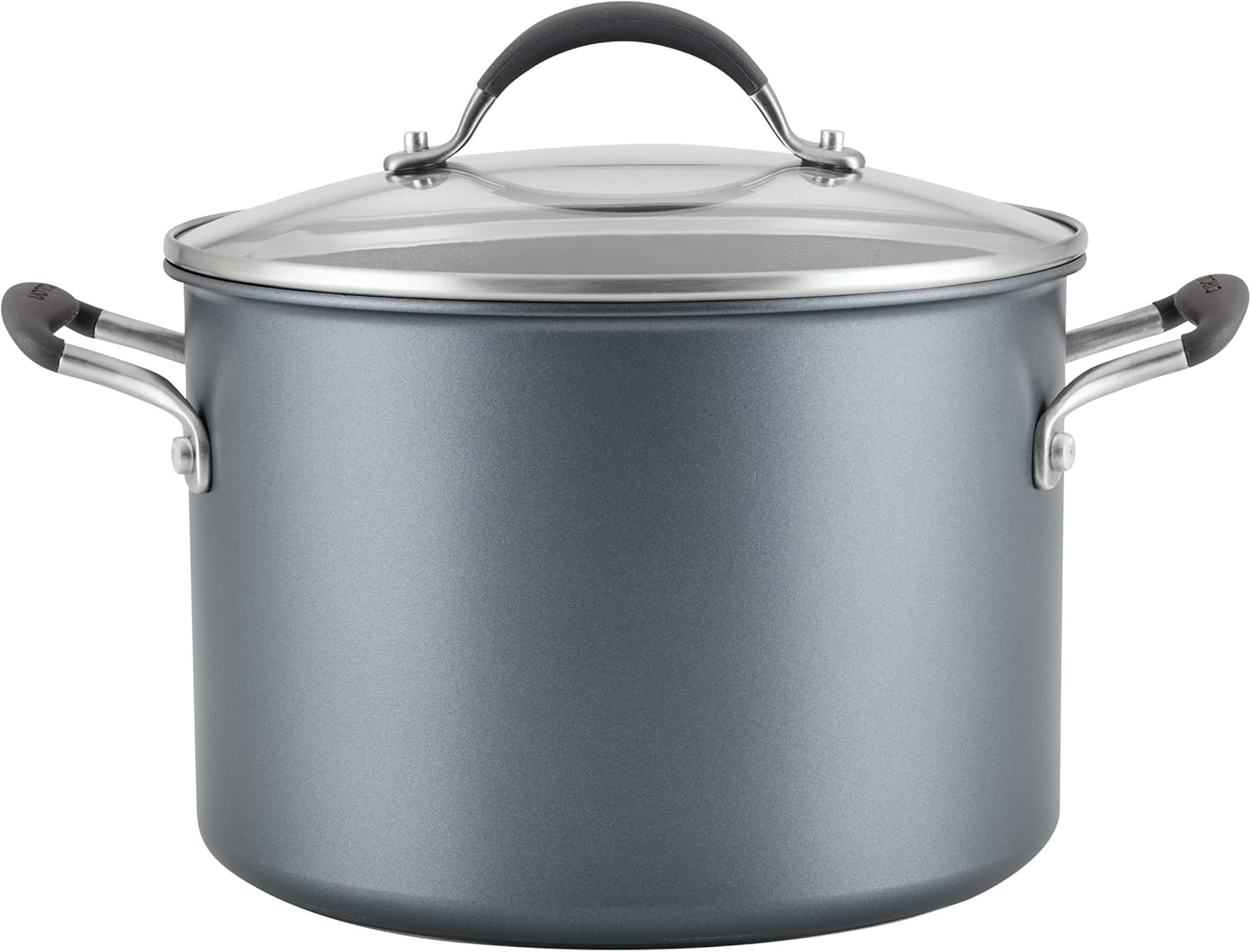
Choosing the right non stick stock pot can completely change how you handle large batch meals, family soups, and boiled pasta. Whether you are prepping weekend stews or cooking for a large household, having a reliable cooking vessel prevents frustrating food buildup and makes cleanup remarkably fast. Selecting the proper interior finish also reduces the amount of oil needed for daily simmering tasks.
Modern options come in various capacities, weights, and handle configurations designed for specific stovetop types and kitchen storage spaces. Understanding these physical differences helps you select a pot that matches your cooking habits without taking up unnecessary cabinet space or causing physical strain during heavy liquid transfers on busy weeknights.
As an Amazon Associate, StacyLaughs earns from qualifying purchases.
Buying guide
Evaluating Capacity and Batch Sizes
Choosing the correct pot capacity depends heavily on your typical household size and the types of meals you prepare most often. Smaller five-quart pots easily handle modest batches of pasta, rice, or quick side dishes without wasting space on crowded burners. Larger eight to ten-quart options accommodate family-sized stews, rich broths, and bulk meal prepping sessions effortlessly for larger groups.
Matching volume to your actual cooking routines prevents storage frustration. While large vessels offer maximum versatility, they demand more cabinet space and weigh considerably more when filled with liquids. Consider how often you actually cook in bulk before selecting an oversized model that might prove cumbersome for daily dinners.
Stovetop Compatibility and Base Materials
Stovetop compatibility is a critical factor that determines whether your chosen cookware will function properly in your kitchen. Traditional aluminum pots work well on gas and electric ranges, but induction cooktops require a magnetic stainless steel base layer to generate heat. Always verify your specific cooktop requirements before purchasing any pot.
Base thickness also influences how evenly heat spreads across the cooking surface, reducing hot spots that can scorch delicate sauces or burn boiling rice. Forged or thick-gauge aluminum bases provide superior warp resistance and maintain consistent temperatures during long simmer times, ensuring reliable cooking outcomes across various burner types without requiring constant heat adjustments.
Nonstick Coating Technologies
Nonstick coatings simplify food release and make cleanup remarkably fast by preventing stubborn food residues from bonding to the metal surface. Modern manufacturing uses various reinforced materials, such as titanium-infused ceramic or multi-layer finishes, to enhance durability against daily utensil scraping and regular cooking wear.
Selecting the right interior finish depends on your cleaning preferences and oil usage habits. While some coatings allow cooking with minimal butter or oil for low-fat meals, others offer extreme scratch resistance tested against thousands of utensil scrapes. Always follow manufacturer guidelines regarding utensil types and cleaning methods to preserve the nonstick performance over years of regular use.
Handle Design and Ergonomic Comfort
Handle construction directly affects safety and comfort when lifting heavy pots filled with boiling water or dense soups. Riveted metal handles provide permanent structural strength, ensuring the attachment points remain completely secure over years of heavy lifting and regular transportation between the kitchen sink, active stove burners, and serving table during busy family meal preparations.
Materials like silicone-wrapped stainless steel, textured bakelite, or stay-cool cast metal actively prevent high heat transfer to your hands during extended cooking sessions. Ergonomic shapes also reduce wrist fatigue, which is crucial when maneuvering larger eight or ten-quart vessels that require two hands for completely stable pouring, draining, and transport around the kitchen.
Lid Features and Visibility
Transparent glass lids allow you to monitor food progress closely without lifting the cover and losing valuable heat or internal cooking moisture. Quality tempered glass provides reliable shatter resistance and durability under normal kitchen conditions, while integrated steam vents prevent excessive pressure buildup during active boiling or long simmering tasks.
Specialized lid designs can also include built-in straining holes paired with secure locking handles, effectively eliminating the need for a separate colander when draining cooked pasta or steamed vegetables. Carefully evaluate whether a standard transparent glass cover or a functional locking straining lid better serves your typical weekly recipes and overall post-cooking kitchen cleanup routine.
Cleaning and Maintenance Guidelines
Proper maintenance ensures your non stick stock pot successfully maintains its food release properties over years of regular kitchen use. Many modern pots offer dishwasher-safe construction for convenient cleanup, though gentle hand washing with mild dish soap is frequently recommended by manufacturers to preserve specialty exterior finishes and delicate handle materials over time.
Always avoid using abrasive metal scouring pads or harsh chemical cleaners that can scratch or degrade the interior nonstick coating prematurely. Following manufacturer guidelines regarding maximum oven safe temperatures and stovetop compatibility will prevent accidental metal warping or finish damage, keeping your cookware performing reliably for everyday family meals and special recipes.
Frequently asked questions
Can I use metal utensils with a non stick stock pot?
Most manufacturers advise against using metal utensils on nonstick surfaces because sharp edges can scratch, gouge, or wear down the coating over time. Even advanced scratch-resistant coatings perform best when paired with silicone, wooden, or heat-resistant plastic tools. Using non-metal utensils protects the interior finish, preserves effortless food release, and extends the lifespan of your cookware. If accidental scratching does occur, it can compromise the nonstick efficiency, so sticking to wooden or silicone spoons is always the safest practice for daily cooking routines.
Are all non stick stock pots compatible with induction cooktops?
No, not all non stick stock pots work on induction cooktops. Induction cooking requires a magnetic base material, typically containing steel or a bonded magnetic stainless steel disc. While many modern aluminum stock pots feature specialized induction-ready bases, some models are restricted to gas, electric, ceramic, and halogen cooktops only. Always check the manufacturer specifications before purchasing if you plan to use the pot on an induction range, as non-magnetic aluminum bodies will simply fail to heat up.
Can non stick stock pots go directly into the oven?
Many non stick stock pots are oven safe, but temperature limits vary depending on the specific materials used for the pot body, handles, and lid. While aluminum pots often withstand stovetop-to-oven transitions up to four hundred degrees Fahrenheit, attached glass lids frequently have lower maximum temperature ratings around three hundred fifty degrees due to the hardware. Always review the exact manufacturer guidelines before placing any pot or lid into a hot oven to prevent warping or component damage.
Is it safe to wash a non stick stock pot in the dishwasher?
Many modern non stick stock pots feature dishwasher-safe construction, allowing for convenient cleanup after preparing large meals. However, harsh dishwasher detergents and high water temperatures can dull exterior finishes or degrade nonstick coatings over extended periods. Many manufacturers recommend gentle hand washing with mild soap and a soft sponge to maximize the lifespan of the interior coating and keep handles looking pristine. Checking the specific care instructions for your model ensures you choose the safest cleaning method.
What size non stick stock pot do I need for my household?
The ideal pot size depends primarily on your household size and the types of dishes you prepare. A five-quart pot works well for small families, boiling pasta, or making modest soup batches. If you frequently cook family-sized meals, host guests, or meal prep in bulk, an eight to ten-quart stock pot provides the extra capacity needed to prevent overflows. Keep in mind that larger pots take up more storage space and become significantly heavier when filled with liquids.