Appliances · Buying Guide
Best Non Toxic Cast Iron Skillet for Everyday Cooking
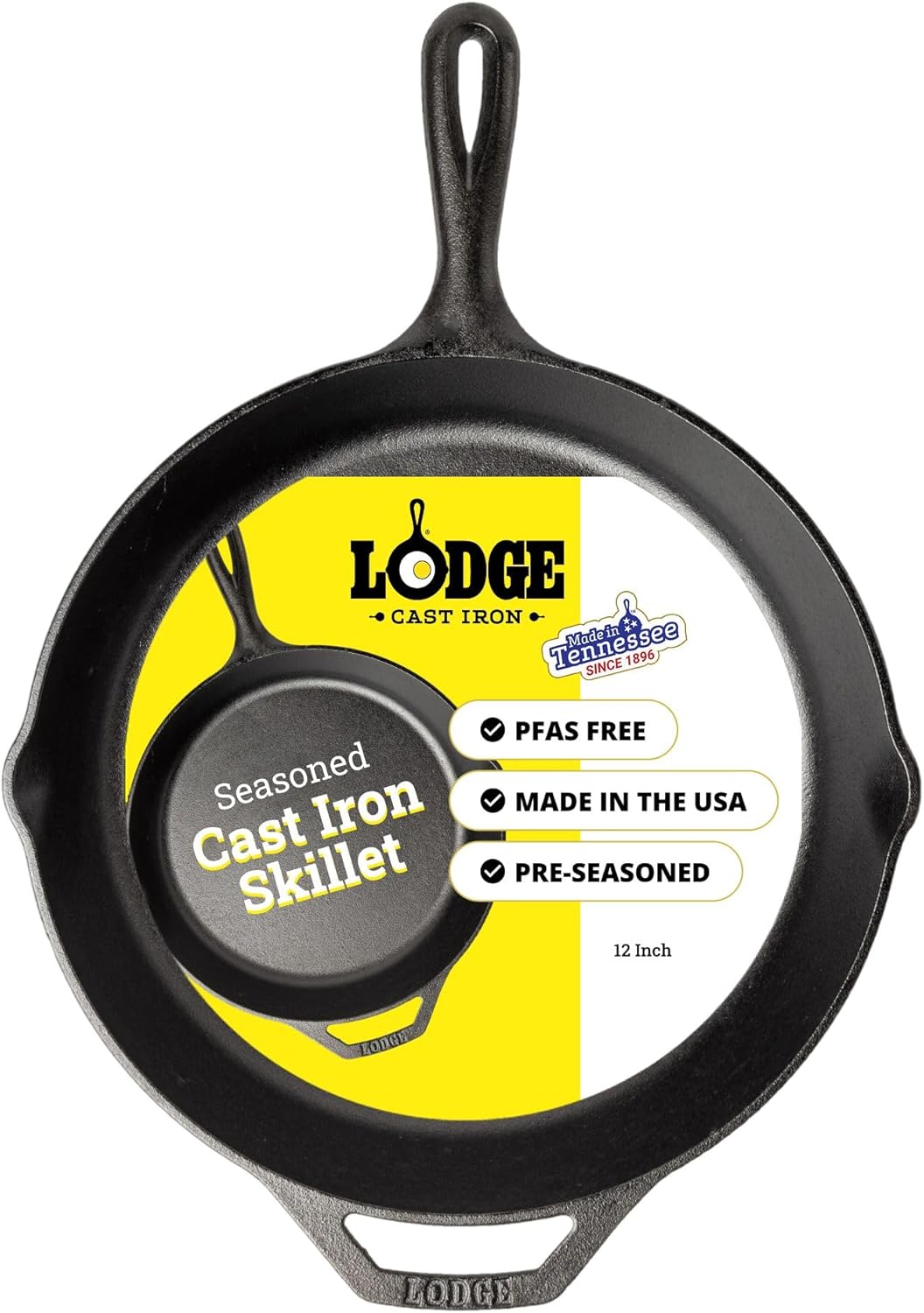
Choosing reliable cookware means looking closely at traditional materials that provide even heating without synthetic coatings. Cast iron skillets offer a sturdy structure naturally seasoned with oils, making them a practical choice for searing, baking, and frying across multiple heat sources like induction, gas, electric coils, and open campfires.
Whether you are outfitting a compact kitchen apartment or expanding your outdoor camp cooking setup, understanding sizing, handles, and maintenance helps you find the right pan. These traditional iron pans deliver reliable heat retention and steady performance for daily meals without relying on synthetic non-stick chemical layers, supporting versatile everyday cooking routines safely.
As an Amazon Associate, StacyLaughs earns from qualifying purchases.
Buying guide
Evaluating Skillet Size and Capacity
Choosing the right skillet size depends heavily on your household size and typical meal types. Smaller eight-inch pans suit single portions and tight storage spaces, while ten- and twelve-inch models handle family meals. Matching the pan dimensions to your cooking habits ensures you have enough room without handling unnecessary weight.
Consider your stovetop burner dimensions as well. A massive twelve-inch skillet requires a wide burner to heat evenly, whereas smaller pans work efficiently on compact elements. Balancing physical pan dimensions with your kitchen layout prevents storage frustration and ensures consistent heat distribution across the cooking base.
Understanding Surface Textures and Finishes
Cast iron skillets feature different surface textures ranging from factory-textured finishes to meticulously polished smooth areas. Textured surfaces grip initial seasoning layers securely, while smooth-machined pans offer a sleek cooking area right away. Both styles rely on natural oils rather than synthetic chemicals to build non-stick performance over time.
Your choice between rough and smooth iron comes down to personal preference for flipping eggs or searing meats. Smooth surfaces reduce sticking for delicate foods, but they require careful seasoning maintenance. Reviewing how each texture behaves helps you select a pan that matches your preferred cooking techniques.
Heat Sources and Temperature Limits
Cast iron is renowned for exceptional heat retention and compatibility across diverse cooking environments. Most standard skillets perform reliably on gas, electric coil, and induction cooktops. They also transition seamlessly into ovens or onto outdoor grills and campfires, handling high temperatures without warping or degrading structural integrity.
Always check manufacturer temperature guidelines to ensure safe operation, as some models specify maximum heat thresholds. Matching your intended cooking style—whether high-heat searing or gentle baking—to the cookware specifications prevents damage and keeps your iron skillet performing at its absolute best.
Handle Design and Ergonomic Control
Maneuvering heavy iron cookware safely requires careful attention to handle design. Look for integrated teardrop handles, extended stay-cool grips, or helper handles that offer better control when lifting a fully loaded pan. Ergonomic shapes reduce strain on your wrists during transport from stovetop to oven.
Some skillet packages include removable silicone grips to protect your hands from conductive heat during cooking. Ensure you know whether these accessories can remain attached during high-heat baking or if they must be removed. Proper handle comfort makes heavy cast iron much easier to manage daily.
Lids and Companion Accessories
While many cast iron skillets are sold as standalone pans, certain options include specialized accessories like matching braiser lids, pan scrapers, or silicone grips. A tight-fitting lid with interior drip points turns a standard skillet into a versatile braising vessel, locking in moisture for tender meats and savory stews.
Assess whether you already own compatible universal lids or if buying a bundled set provides better practical value. Accessories like plastic pan scrapers also help clear stubborn food bits without damaging the seasoned iron finish during routine manual cleanup sessions after dinner.
Maintenance and Care Requirements
Traditional cast iron cookware requires hand-washing routines rather than automated dishwasher cycles to protect the seasoned finish from rusting. After washing your skillet with warm water, drying it thoroughly and applying a light coat of oil maintains the natural non-stick properties for future cooking sessions.
Following manufacturer care instructions preserves the longevity of your iron pan across generations. Although maintenance takes a few extra minutes compared to modern non-stick pans, routine oiling prevents moisture damage and ensures your cookware remains a dependable, toxin-free kitchen staple for years.
Frequently asked questions
Are cast iron skillets naturally free from synthetic non-stick chemicals?
Yes, traditional cast iron skillets are crafted from pure iron and seasoned with natural cooking oils rather than synthetic chemical non-stick coatings like PTFE or PFOA. This manufacturing approach ensures you can sear and fry at high temperatures without worrying about artificial layers degrading or releasing unwanted fumes into your kitchen. Maintaining the seasoning involves regular oiling and proper hand washing, which builds a reliable cooking surface naturally over time. This straightforward construction makes cast iron a trusted choice for cooks seeking toxin-free kitchen tools.
Can I use a cast iron skillet on an induction cooktop?
Most cast iron skillets are fully compatible with smooth surface induction cooktops, along with traditional gas burners and electric coils. Because iron is a naturally magnetic material, it interacts seamlessly with induction elements to transfer heat efficiently across the flat bottom base. However, you should always verify compatibility specifications for your specific pan model before cooking, and gently lift rather than slide the heavy iron skillet across glass cooktop surfaces to prevent accidental scratching or surface damage during daily meal preparation routines.
How do I clean and maintain a pre-seasoned cast iron pan?
Cleaning a pre-seasoned cast iron pan requires hand-washing with warm water and avoiding automatic dishwashers entirely to prevent rust. You can use a gentle scrub brush or a plastic pan scraper to remove stubborn food remnants without stripping away the seasoned oil layer. After washing, dry the skillet thoroughly on a warm burner to eliminate lingering moisture, then apply a very thin layer of cooking oil across the interior and exterior surfaces before storing it safely away.
What temperature limits apply to standard cast iron skillets?
Many standard cast iron skillets withstand high temperatures up to five hundred degrees Fahrenheit, making them exceptionally versatile for oven baking, broiling, stovetop searing, and outdoor campfire cooking. However, exact temperature thresholds vary depending on specific manufacturer guidelines and whether your skillet features attached accessories like silicone handle grips or lids. You should always consult the product specifications before placing your cookware in ultra-hot environments to ensure safe and durable operation over its long lifespan.
Why do some cast iron skillets feature smooth polished surfaces?
Cast iron skillets with polished smooth surfaces are meticulously machined to minimize food sticking right out of the box, offering a sleek alternative to traditional rough-textured factory pans. This smooth finish helps prevent delicate foods like eggs and pancakes from adhering to the metal base during cooking. While they require careful seasoning maintenance to preserve their non-stick qualities, smooth iron skillets deliver a refined cooking experience for home chefs who prefer a polished aesthetic and effortless cleanup.