Appliances · Buying Guide
Best Non Toxic Non Stick Cookware Sets for Everyday Kitchens
Choosing reliable kitchen equipment involves looking closely at surface materials, core metals, and heat distribution. Modern nonstick options use advanced ceramic and specialized coatings to make food release straightforward without relying on traditional chemical layers like PTFE or PFOA.
Evaluating these assemblies requires understanding how handle designs, lid types, and stovetop compatibilities fit your daily routine. Whether you are outfitting a new apartment or upgrading existing pots, focusing on build specifications ensures you select dependable cooking tools that match your specific stovetop and cleanup preferences.
As an Amazon Associate, StacyLaughs earns from qualifying purchases.
Buying guide
Material Composition and Core Metals
Choosing the right core metal dictates how evenly your cookware heats and how long it withstands daily kitchen demands. Aluminum provides rapid and uniform thermal conductivity, making it a popular base material for quick meal preparation. Hard-anodized variants offer extra structural reinforcement against scratching and daily warping during intense stovetop sessions.
Alternatively, tri-ply stainless steel options combine multiple metal layers to deliver exceptional structural rigidity and high-heat endurance for demanding tasks. Understanding these base materials helps you select a cookware collection that aligns with your preferred cooking intensity, heat sources, and long-term kitchen maintenance routines.
Coating Types and Surface Durability
Modern nonstick cookware features various surface technologies designed to release food easily with minimal oil usage during daily cooking. Ceramic coatings provide a smooth cooking surface free of traditional chemical additives, catering directly to everyday low-fat cooking preferences. Laser-etched diamond textures and hard-anodized treatments add substantial structural reinforcement to support regular use over time.
Traditional PTFE options remain widely available for reliable food release and professional searing performance across various household recipes. Reviewing these surface specifications ensures you select a coating that matches your preferred cleaning habits, utensil choices, and daily cooking styles without encountering premature wear or unexpected performance drops during meal preparation.
Stovetop Compatibility and Heat Distribution
Ensuring your new cookware matches your kitchen heat source is vital for optimal performance. Many modern aluminum and ceramic sets feature specialized stainless steel magnetic bases that enable seamless operation on induction cooktops alongside traditional gas and electric burners. These bonded or thick plate bottoms prevent warping while maintaining consistent heat delivery.
Evaluating heat distribution properties prevents frustrating hot spots that can burn delicate foods during boiling, simmering, or searing tasks. Checking the manufacturer specifications for your specific cooktop type guarantees reliable thermal contact and prevents compatibility issues when transitioning between different rental homes or kitchen upgrades over time.
Handle Design and Ergonomic Comfort
Handle construction heavily influences safety, comfort, and control when moving heavy pots filled with liquids or dense ingredients. Ergonomic Bakelite handles are molded to stay cool during stovetop use, protecting your hands from burns without requiring mitts. Stainless steel handles offer superior oven safety limits.
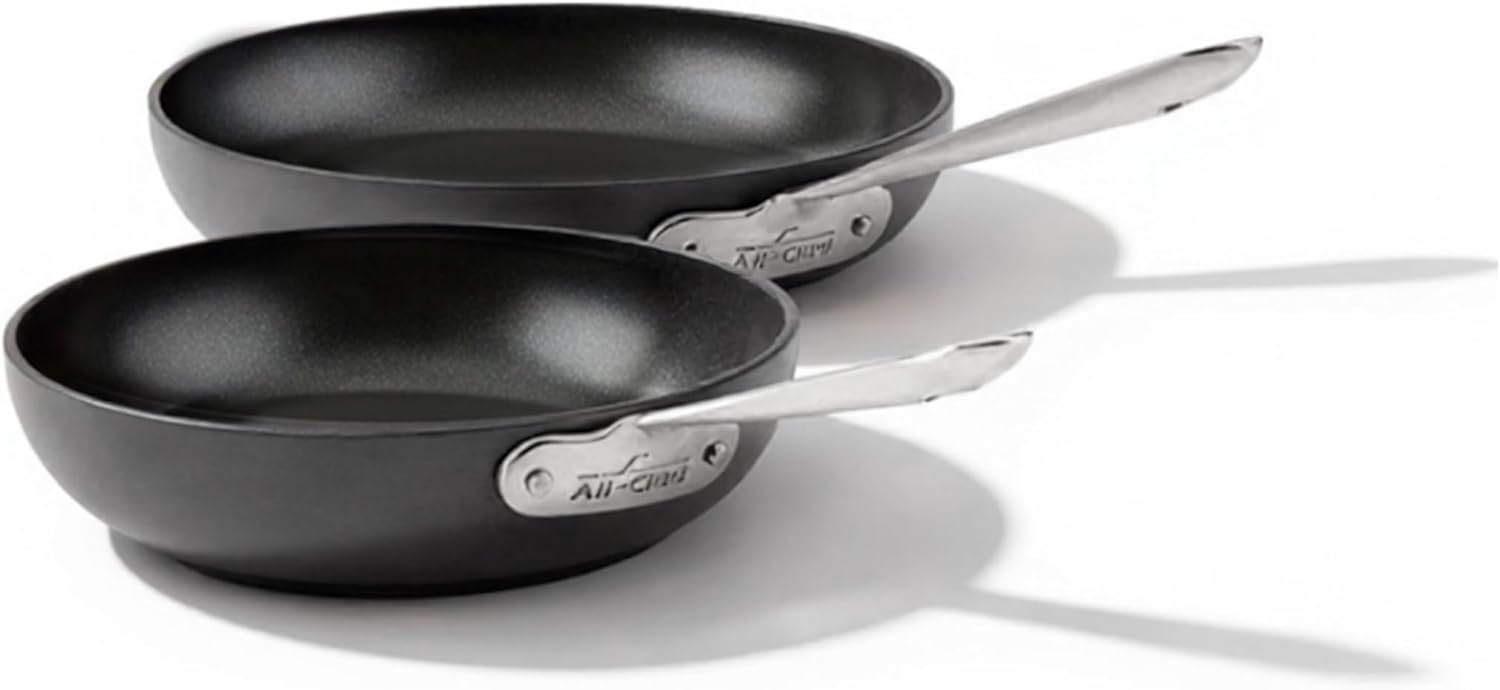
Double-riveted joints provide added stability, preventing looseness over years of frequent lifting and carrying. Assessing how a handle feels in your hand helps prevent fatigue during prolonged cooking sessions, especially when working with larger multi-piece sets or heavy stainless steel hybrid frying pans.
Lid Construction and Moisture Control
Lids play a crucial role in retaining heat, moisture, and flavor while allowing you to monitor cooking progress. Tempered glass lids offer visual visibility so you can check simmering dishes without lifting the cover and releasing steam. Silicone-sealed rims provide a tighter fit against pot edges.
These sealed edges also protect glass perimeters from chipping during routine washing and storage handling. Reviewing included lid designs ensures you have the right covers for boiling, braising, and steaming various recipes across your daily meal preparation routine.
Piece Count and Storage Planning
Cookware sets range from compact two-piece fry pan bundles to comprehensive twenty-one-piece collections complete with utensils and protectors. Assessing your actual cooking needs prevents clutter from unused items. Large sets suit first-time homeowners or large families requiring diverse pot sizes for complex meals.
Conversely, smaller configurations work well for minimalists or those with limited cabinet space. Measuring your available storage shelving before purchasing ensures that bulky stockpots, sauté pans, and included accessories fit comfortably within your kitchen layout.
Frequently asked questions
Can I use metal utensils on ceramic nonstick cookware?
Most standard ceramic nonstick cookware sets recommend using silicone, wooden, or nylon utensils to protect the delicate surface coating from scratching over time. However, specialized hybrid models featuring reinforced diamond-textured surfaces are engineered to withstand metal utensils without compromising nonstick performance. Always check the specific manufacturer guidelines for your chosen cookware set before introducing metal spatulas or whisks to prevent accidental damage and ensure long-lasting food release capabilities during daily cooking.
Are ceramic nonstick pans safe for induction cooktops?
Many ceramic nonstick cookware sets are fully compatible with induction cooktops, provided they feature a bonded magnetic stainless steel base or plate embedded in the bottom. Aluminum pans alone do not work on induction surfaces unless they include this specialized magnetic layer. Always verify the manufacturer stovetop compatibility specifications to ensure your pots and pans will heat properly on induction ranges, electric coil cooktops, and gas burners alike.
How should I clean and maintain my nonstick cookware?
Hand washing with mild dish soap, warm water, and a soft sponge is generally recommended for ceramic and specialized nonstick cookware to preserve surface performance. Although some sets state they are dishwasher safe, running them through automated cycles exposes the exterior and coating to harsh detergents that can degrade nonstick properties prematurely. Allowing pans to cool completely before washing and avoiding abrasive scouring pads will help maintain effortless food release over years of regular use.
What is the benefit of hard-anodized aluminum cookware?
Hard-anodized aluminum undergoes an electrochemical process that hardens the metal, making it significantly stronger and more corrosion-resistant than standard untreated aluminum. This treatment creates a durable, warp-resistant body that distributes heat evenly across the entire cooking surface while preventing reactive metals from interacting with acidic foods. Hard-anodized pans offer excellent structural longevity, making them a popular foundation for durable nonstick frying pans and multi-piece kitchen collections used daily.
Do ceramic nonstick pans require cooking oil?
Ceramic nonstick surfaces are designed to provide excellent food release, allowing you to cook with significantly less oil or butter compared to traditional stainless steel pans. While a small amount of oil or cooking spray can enhance browning and flavor, the slick coating prevents eggs, cheese, and delicate proteins from sticking directly to the pan. This characteristic supports lower-fat cooking routines while making post-meal cleanup much faster and easier since residue wipes away effortlessly.