Appliances · Buying Guide
Best Non Toxic Stainless Steel Cookware for Everyday Kitchens
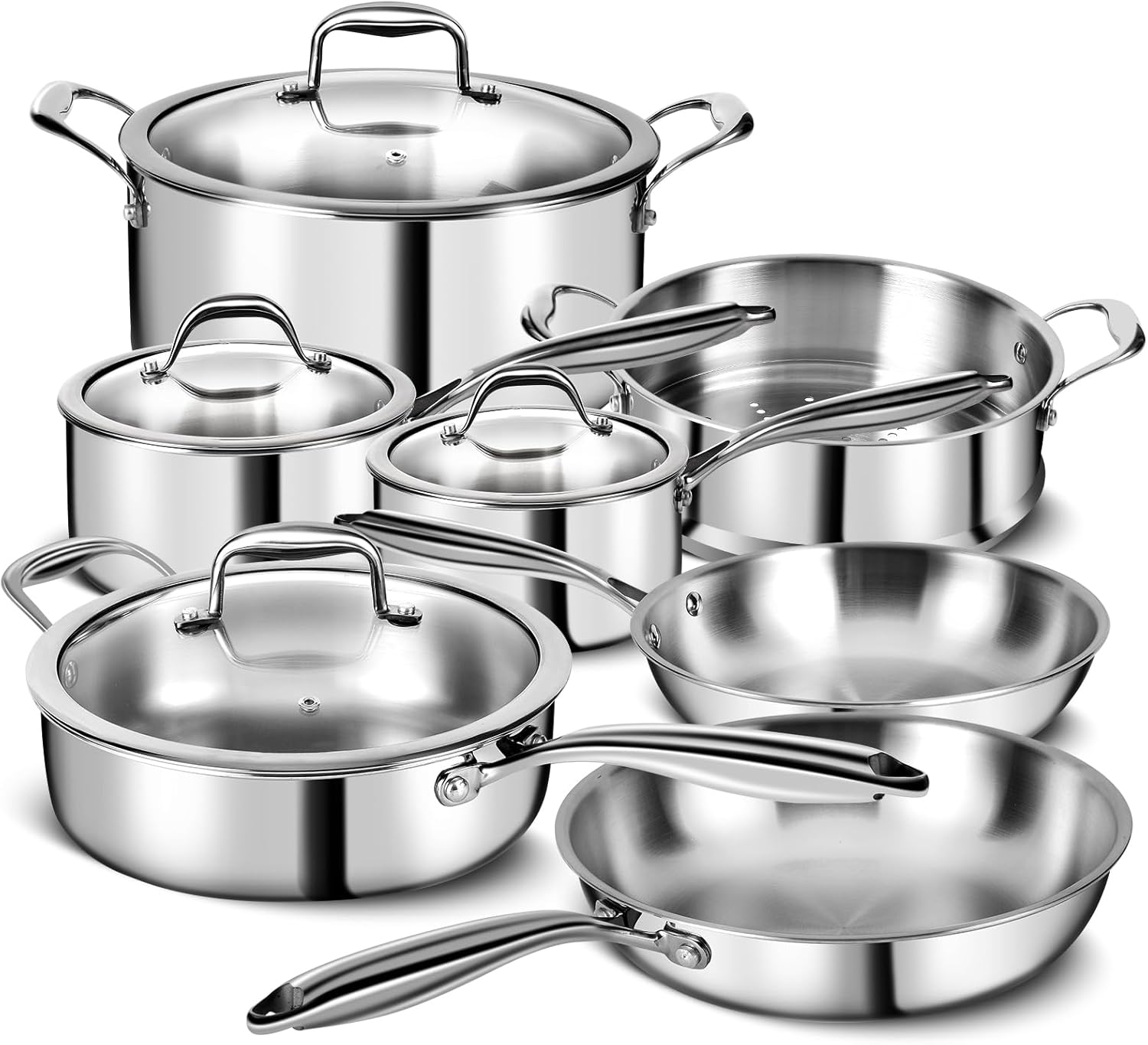
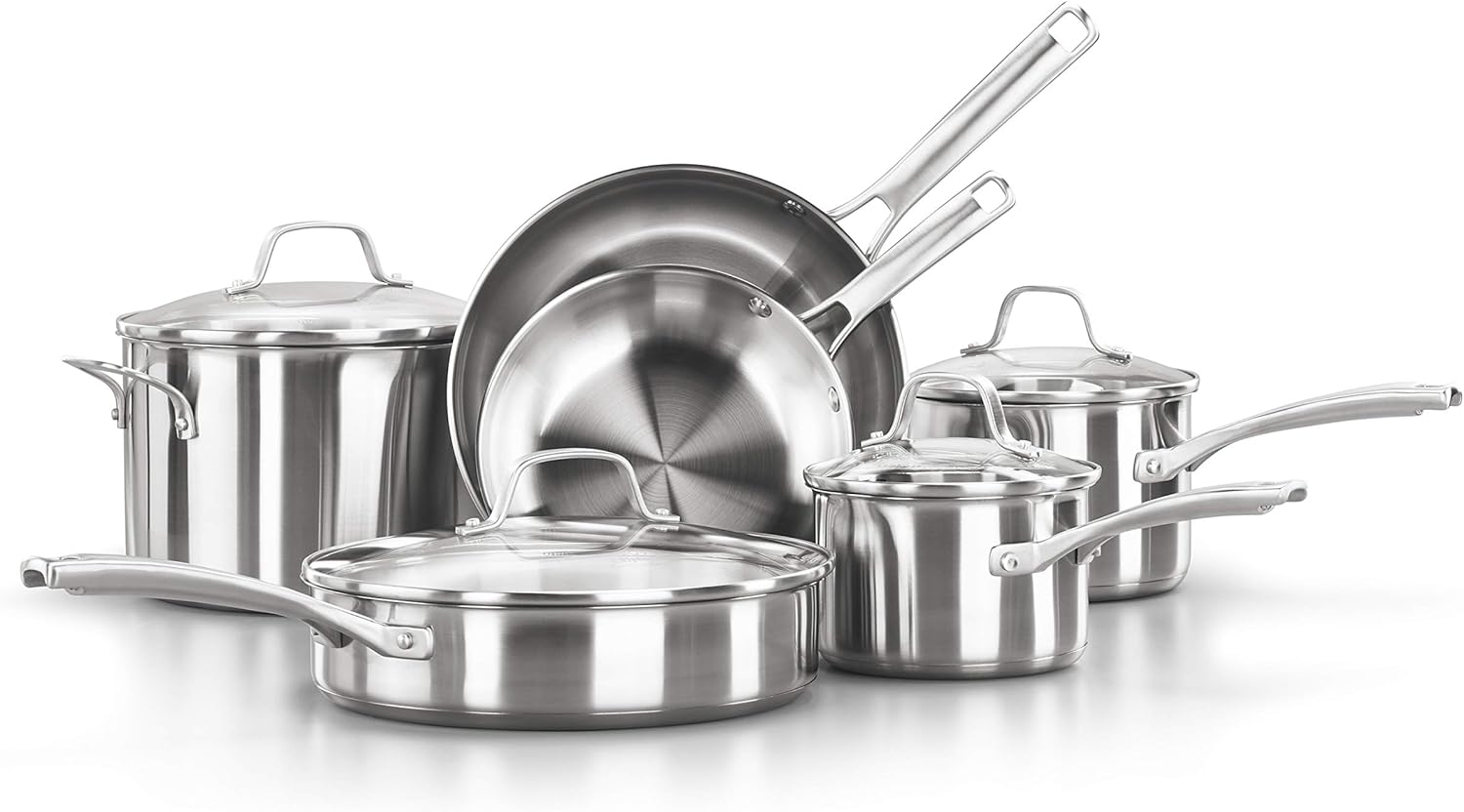
Navigating kitchen upgrades involves choosing dependable materials designed for daily meal preparation. Stainless steel options provide sturdy construction for searing, boiling, and simmering across various stovetop types without relying on chemical nonstick coatings. Shoppers exploring non toxic stainless steel cookware sets will find diverse configurations ranging from compact daily pans to comprehensive multi-piece culinary setups equipped with lids and steamers.
Selecting the right collection depends heavily on how many people you cook for and which heating elements your kitchen utilizes. Evaluated options offer distinct thermal designs, handle configurations, and storage capabilities tailored to different cooking habits. Reviewing these specific attributes helps align your kitchenware choices with actual meal prep routines, ensuring reliable performance during everyday cooking tasks.
As an Amazon Associate, StacyLaughs earns from qualifying purchases.
Buying guide
Material Construction and Heat Distribution
Choosing appropriate kitchenware requires examining how metal layers are assembled. Some sets feature bonded bases, while others extend multi-layer construction completely up the sidewalls. Full multi-ply designs help eliminate hot spots by conducting thermal energy evenly across the entire cooking surface. Encapsulated aluminum bases also provide reliable heating performance for standard boiling and searing tasks on traditional burners.
Evaluating your typical cooking habits helps determine whether you need sidewall heating or standard base distribution. Understanding these structural differences ensures you select cookware that responds quickly to temperature adjustments. Matching the construction style to your favorite recipes prevents uneven cooking results and supports consistent culinary outcomes over years of daily kitchen use.
Stovetop and Oven Compatibility
Modern kitchen setups often feature various cooktop types, including gas, electric, ceramic glass, and induction surfaces. Ensuring your chosen cookware works seamlessly across your specific heat source is essential for daily meal preparation. Many stainless steel collections include magnetic exterior layers to support induction cooktops efficiently. Checking compatibility details beforehand prevents functional issues in your kitchen.
Transitioning pots and pans from stovetops directly into heated ovens expands your recipe possibilities significantly. Different sets feature varying maximum temperature thresholds for both metal vessels and accompanying lids. Reviewing these thermal limits ensures you avoid damaging glass covers or handle components during high-heat roasting tasks. Matching temperature ratings to your baking style keeps your cookware safe.
Handle Design and Ergonomics
Handle construction directly impacts safety and comfort during active cooking sessions. Many stainless steel collections incorporate riveted handles designed to stay cool on stovetops through smart thermal isolation. Ergonomic shapes provide a secure grip when lifting heavy stockpots filled with water or ingredients. Examining handle attachment methods ensures long-term durability under heavy daily use.
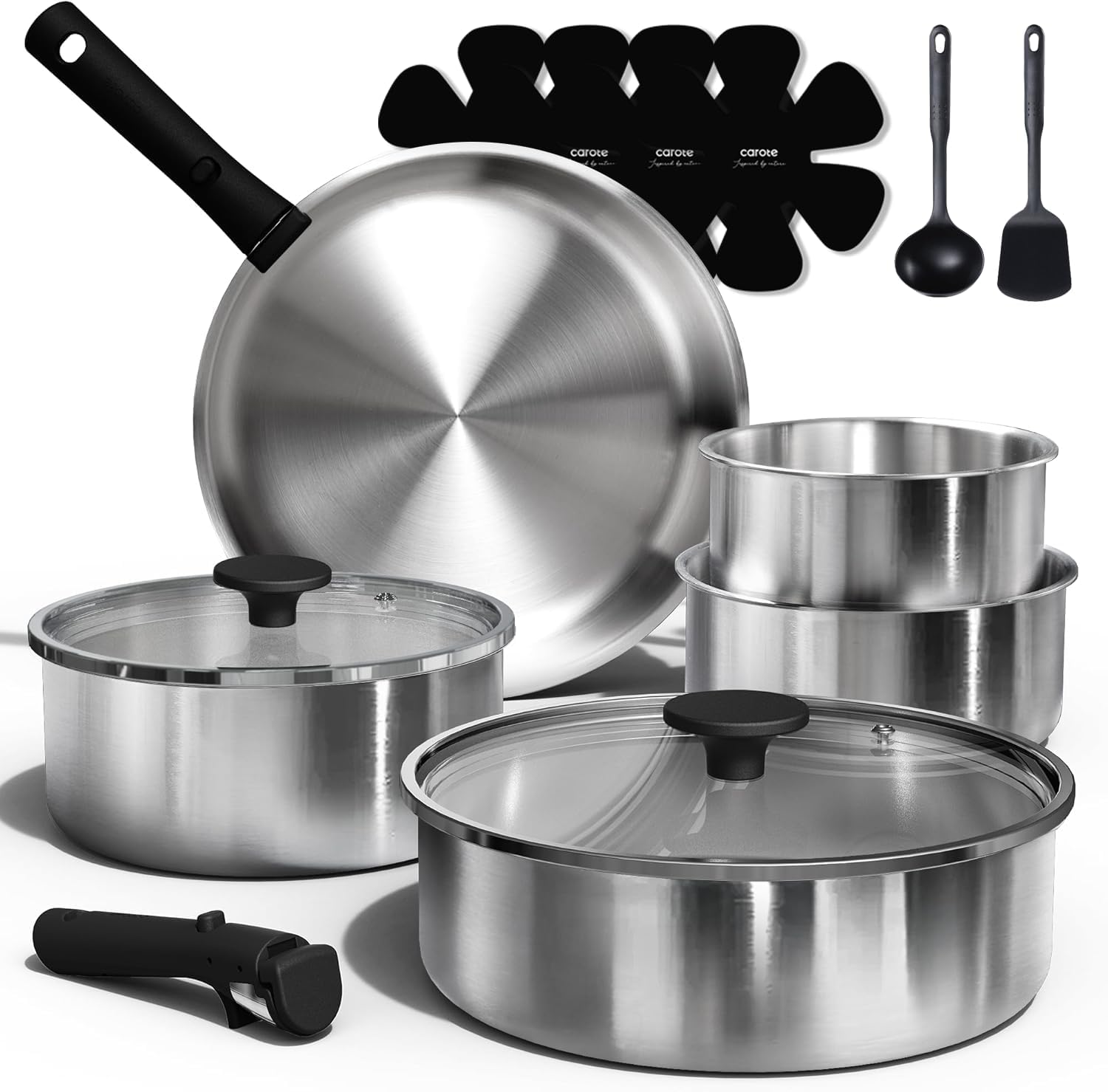
Some modern setups introduce detachable handles to maximize storage efficiency in cramped kitchens. While removable grips save cabinet space, they require manual attachment during cooking transitions. Consider whether fixed steel handles or removable mechanisms better suit your kitchen workflow and storage layout. Prioritizing comfortable grips reduces hand fatigue during lengthy meal preparation routines.
Set Configuration and Included Pieces
Cookware bundles vary widely in piece counts and vessel types. Comprehensive sets often include multiple saucepans, skillets, sauté pans, stockpots, and specialized steamer inserts. Assessing your household size and daily recipe requirements helps determine the ideal collection size. Smaller households might thrive with compact sets, while frequent hosts benefit from larger assortments.
Specialty items like steamer inserts and helper handles add practical value for specific culinary tasks. Reviewing the exact assortment ensures you receive vessels you will actually use rather than storing unused items. Matching the piece count to your typical cooking volume prevents clutter and ensures every pot serves a distinct purpose in your daily meal prep routine.
Storage Space and Cabinet Fit
Kitchen storage capacity plays a major role when selecting multi-piece cookware sets. Larger collections with wide lids and deep stockpots require substantial cabinet space for proper organization. Measuring your available storage areas before purchasing prevents overcrowding and difficult stacking situations. Efficient storage layouts protect your pots from scratches and dents.
Innovative designs featuring detachable handles or nestable bodies offer practical solutions for restricted kitchens. These space-saving options allow multiple pans to stack compactly like small stockpots. Consider how easily your chosen set will fit into your existing cabinetry or drawer systems. Balancing set size with available storage space ensures a tidy and functional kitchen environment.
Maintenance and Cleaning Requirements
Stainless steel cookware requires proper maintenance to preserve its polished appearance over time. Many collections are dishwasher safe, offering convenient cleanup after heavy meal preparation. However, maintaining shiny exterior mirrors or brushed finishes often requires occasional cleaning attention to remove cooking residues. Understanding recommended cleaning guidelines keeps your investment looking pristine.
Unlike nonstick surfaces, traditional stainless steel cooking areas require proper preheating techniques to minimize food sticking. Deglazing pans with warm liquids helps release stubborn fond easily during cleanup. Reviewing manufacturer care instructions ensures you use appropriate cleaning tools and detergents that protect the metal finish. Proper upkeep guarantees lasting performance and consistently reliable cooking results.
Frequently asked questions
Are stainless steel cookware sets compatible with induction cooktops?
Many stainless steel cookware collections feature magnetic exterior layers specifically engineered for compatibility with induction cooktops, along with traditional gas, electric, and glass surfaces. Manufacturers typically specify induction readiness in their product details. It remains important to check individual compatibility listings before purchasing, as certain base constructions rely on specific metal grades to interact properly with magnetic burners. Reviewing these specifications ensures your new pots and pans will function seamlessly on your specific kitchen stove type without thermal transfer issues.
What is the difference between bonded bases and full tri-ply construction?
Bonded base cookware features an encapsulated aluminum disk attached primarily to the bottom of the pot or pan to distribute heat. In contrast, full tri-ply construction bonds an aluminum core between stainless steel layers from the base all the way up the sidewalls. Full clad designs provide more uniform heating across the entire cooking vessel, eliminating cold sidewalls during simmering. Bonded base models offer focused heat distribution on the bottom while often remaining lighter in overall physical weight.
How do I prevent food from sticking to stainless steel pans?
Preventing food from sticking on stainless steel cooking surfaces involves proper preheating techniques before adding oils or ingredients. Heating the empty pan moderately on the burner for a short period allows the metal pores to expand before cooking begins. Adding a small amount of cooking oil and ensuring it warms properly creates a natural barrier. Additionally, allowing meats or vegetables to sear undisturbed until they release naturally helps prevent tearing and residue buildup during meal preparation.
Can stainless steel pots and pans go into the oven?
Most stainless steel cookware sets are designed to transition from stovetops into ovens, though maximum temperature thresholds vary by manufacturer and component. Metal pans frequently tolerate high oven temperatures safely, while accompanying tempered glass lids often feature lower heat limits. It is essential to review specific temperature ratings provided in product specifications before baking or roasting. Using protective oven mitts remains mandatory when retrieving any metal or glass cookware from heated ovens.
How should I clean and maintain my stainless steel cookware?
Cleaning stainless steel cookware typically involves washing with hot, sudsy water, and many sets are labeled dishwasher safe for added convenience. For stubborn food residues or stuck fond, deglazing the warm pan with liquid helps lift particles easily. Avoid using harsh abrasive pads that might scratch polished mirror or brushed exterior finishes. Regular maintenance with appropriate cleaning products helps preserve the aesthetic appearance and functional performance of your pots and pans over years of use.