Appliances · Buying Guide
Best Cast Iron Skillet Options for Every Kitchen and Campfire

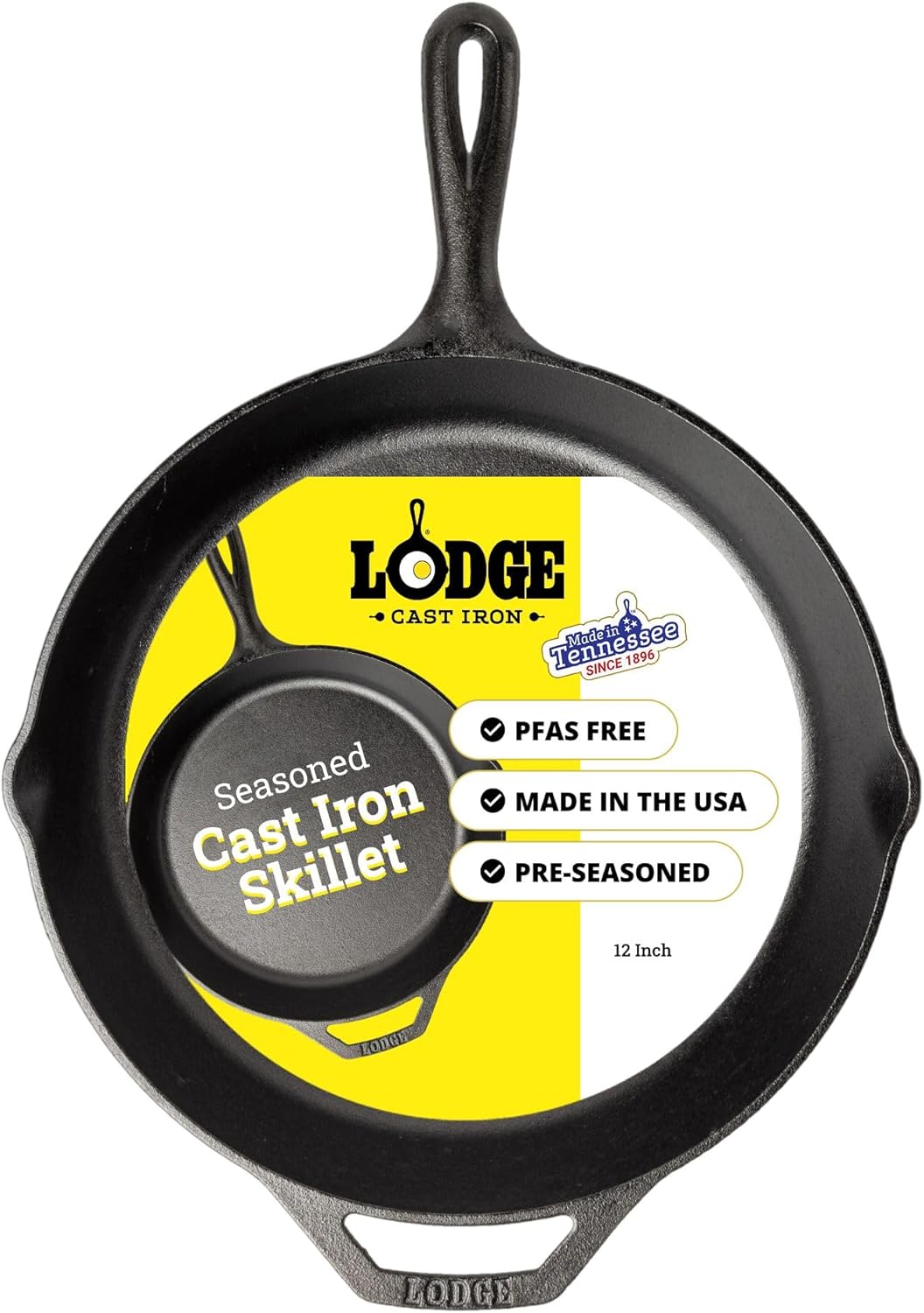
Cast iron skillets remain timeless kitchen essentials valued for exceptional heat retention and reliable durability across stovetops, ovens, and campfires. When searching for reliable cookware comparable to trendy alternatives like the popular Our Place cast iron skillet, traditional and modern cast iron pans offer unmatched versatility for searing, baking, and frying. These heavy-duty pans arrive pre-seasoned with natural oils or vegetable oil, providing a ready-to-use cooking surface that develops better non-stick performance over time.
Choosing the right cast iron skillet involves evaluating size, handle design, lid inclusion, and surface texture to match your daily cooking style. Whether you need a compact 10.25-inch pan for morning eggs, a large 12-inch skillet for family meals, or a model equipped with a specialized braiser lid, options span classic heritage designs and modern American-crafted alternatives. Reviewing specific manufacturer specifications ensures your selected skillet fits your heat sources, maintenance routine, and culinary preferences safely.
As an Amazon Associate, StacyLaughs earns from qualifying purchases.
Buying guide
Evaluating Skillet Size and Cooking Surface Dimensions
Selecting the proper skillet size depends entirely on your household size and the types of meals you prepare daily. A 10.25-inch model works well for single-portion eggs, side dishes, and small baking tasks without taking up excessive burner space. Larger 12-inch skillets provide ample cooking space for family-sized portions of seared meats, roasted vegetables, and skillet cornbread.
Surface texture also plays a major role in your cooking experience. Traditional sand-cast pans feature a slightly textured pebble finish that holds seasoning securely. In contrast, premium machined skillets offer a smooth glass-like cooking surface that minimizes sticking for delicate foods like eggs and pancakes.
Understanding Handle Design and Ergonomic Control
Cast iron pans are notoriously heavy, making handle design and grip comfort essential factors for safe daily handling. Traditional teardrop handles provide a secure thumb rest but can become scorching hot during prolonged stovetop or oven cooking sessions. Look for pans offering extended grips or stay-cool properties to mitigate heat transfer.
Some manufacturers bundle silicone handle holders or design ergonomic contours to improve stability when lifting heavy loads. Evaluating how you lift and transport hot cookware will help you determine whether bare cast iron handles or removable silicone grips best suit your kitchen workflow.
Assessing Lid Compatibility and Multi-Purpose Cooking
While many cast iron skillets are sold as open pans, models that include matching heavy-duty lids expand your culinary capabilities significantly. A matching cast iron lid transforms your skillet into a braiser or casserole pan by trapping steam and moisture inside. This is particularly useful for braising short ribs, steaming vegetables, and baking artisan bread.
When purchasing, consider whether you already own universal lids that fit your desired skillet diameter. Buying a complete set with a dedicated braiser lid saves you from searching for separate covers that can withstand high oven temperatures.
Stovetop Compatibility and Maximum Temperature Limits
Cast iron skillets are celebrated for their versatility across multiple heat sources, including gas, electric coil, and induction cooktops. However, you must verify that your specific cooktop type matches the skillet base compatibility to ensure optimal heat transfer and avoid scratching glass surfaces. Induction users benefit greatly from flat, thick iron bases.
Temperature limits also vary by manufacturer specification, with many pans handling up to 500 degrees Fahrenheit safely. If you plan to transfer your skillet from a blazing campfire or high-heat broiler into the oven, check the rated maximum temperature threshold before proceeding.
Seasoning Maintenance and Cleaning Requirements
Proper maintenance is non-negotiable for preserving the natural non-stick seasoning on cast iron cookware. Manufacturers universally specify hand wash only care instructions, meaning you must avoid harsh dishwashing detergents and automated dishwashers entirely. Warm water, stiff brushes, and thorough drying prevent unwanted rust.
Applying a light coat of cooking oil after every wash maintains the polymer seasoning layer and keeps the iron protected between uses. Embracing this simple cleaning routine ensures your skillet lasts for generations without losing its natural non-stick cooking performance.
Weighing Warranty Protection and Build Quality
Investing in cast iron cookware often means purchasing a generational item built to withstand heavy daily use. Evaluating manufacturer warranties provides peace of mind regarding structural defects, warping resistance, and craftsmanship quality. Lifetime warranties reflect strong confidence in raw iron durability.
Examining the overall weight, rim design, and pour mechanics helps you choose a pan that meets your physical strength and cooking style. Balancing upfront cost against warranty coverage ensures you select a reliable cast iron skillet that delivers long-term value.
Frequently asked questions
Can I use metal utensils on pre-seasoned cast iron skillets?
Yes, metal utensils are generally safe to use on traditional cast iron skillets because the hardened iron and polymerized seasoning layer resist scratching. However, you should still exercise caution to avoid gouging thicker seasoning layers, especially on newer pans. Wooden and silicone utensils also work wonderfully if you prefer protecting the non-stick finish over time.
Why do cast iron skillet instructions mandate hand wash only?
Automated dishwashers expose cast iron to harsh detergents, prolonged moisture, and high-pressure water streams that strip away the protective seasoning layer. Stripping this oil barrier leaves bare iron vulnerable to rapid rusting and food sticking. Hand washing with warm water and immediately drying the pan preserves the seasoning for years.
How do I fix rust spots on my cast iron skillet?
If rust spots appear due to moisture exposure or improper drying, you can easily restore the pan by scrubbing the affected area with a scouring pad and warm soapy water. Rinse and dry the skillet completely on a warm burner, then apply a very thin layer of vegetable oil across the entire surface before baking it briefly.
Are all cast iron skillets compatible with induction cooktops?
Cast iron is inherently magnetic, making almost all cast iron skillets naturally compatible with smooth-surface induction cooktops. However, you should ensure the bottom of the skillet is completely flat to maximize contact with the induction burner element. A flat, heavy base guarantees efficient heat transfer and prevents rocking during cooking.
Do pre-seasoned cast iron pans need to be seasoned before first use?
Pre-seasoned cast iron skillets arrive from the factory coated with vegetable oil or natural oils baked into the metal, making them ready to use right out of the box. While you can cook immediately, many home cooks prefer seasoning them further or cooking fatty foods first to enhance the non-stick performance over time.