Appliances · Buying Guide
Best Pampered Chef Grill Pan Alternatives for Indoor Cooking
Finding a reliable grill pan for your kitchen requires evaluating materials like stainless steel, cast iron, and hard-anodized aluminum. A dependable skillet brings classic sear marks and outdoor cooking flavors directly to your indoor stovetop. This allows you to prepare steaks, chicken breasts, and vegetables efficiently regardless of external weather conditions, providing a practical solution for year-round indoor meal preparation.
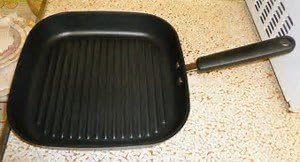
When comparing alternatives including the Pampered Chef 11 inch Executive Non-Stick Square Grill Pan alongside other popular choices, shoppers should carefully examine surface coatings, shape designs, weight specifications, and cleaning requirements. Each design delivers unique handling characteristics and heat properties tailored to specific cooking styles, making it essential to match your cookware choice with your preferred stovetop type.
As an Amazon Associate, StacyLaughs earns from qualifying purchases.
Buying guide
Material Construction and Heat Retention
Selecting a grill pan starts with understanding the core material, as options range from traditional cast iron to lightweight aluminum and stainless steel. Cast iron naturally excels at retaining heat, allowing for deep, restaurant-quality sear marks on steaks and pork chops. However, aluminum models heat up faster and distribute warmth evenly across the entire base. Your choice directly influences how you manage cooking temperatures, prep times, and everyday stovetop interactions.
Consider how much time you want to spend managing thermal adjustments while cooking. Heavy iron pans hold warmth long after burners turn off, whereas metal alternatives respond immediately to dial changes. Matching material properties to your typical recipes ensures better control over searing and simmering tasks without unwanted burning or unevenly cooked food portions during busy meal prep sessions.
Surface Coatings and Food Release
Nonstick coatings play a critical role in modern cookware, influencing both cooking performance and cleanup ease. PTFE, ceramic, and specialized nonstick layers prevent delicate foods like fish fillets and vegetables from clinging to raised ridges. Selecting a coated pan reduces the amount of cooking oil needed, supporting leaner meal preparation while simplifying post-meal sink cleaning.
It remains important to review manufacturer care guidelines for each coating type. Some nonstick surfaces withstand dishwasher cycles, while others require gentle hand washing with soft sponges to preserve their slick properties. Balancing your desire for effortless food release against your preferred cleanup routine ensures your chosen skillet maintains its performance over years of regular kitchen use.
Stovetop Compatibility and Versatility
Before purchasing any grill pan, verify its compatibility with your specific kitchen stovetop setup. While many aluminum and cast iron models work seamlessly across gas, electric coil, and smooth glass surfaces, induction cooktops require specific magnetic stainless steel bases. Checking these technical specifications beforehand prevents frustrating compatibility issues that could lead new cookware completely unusable on your home stove.
Beyond standard indoor stovetops, evaluate whether the skillet supports outdoor grilling or oven-based cooking methods. Oven-safe designs allow you to start searing meats on the burner and finish cooking them at high temperatures inside the oven cavity safely. Versatile pans also transition easily to outdoor grills or campfires, expanding your meal preparation options across diverse cooking environments.
Shape and Cooking Surface Dimensions
The physical shape of a grill pan directly affects how much food you can prepare at one time. Square and rectangular models maximize corner space, giving you more flat surface area to lay out multiple chicken breasts or long vegetable spears simultaneously. Round pans offer a traditional aesthetic and fit neatly onto smaller burners, though their curved edges limit total usable corner capacity.
Consider your typical household meal size when evaluating pan dimensions. Larger eleven or twelve-inch surfaces accommodate family-sized portions easily, but they also require more storage space and heavier lifting effort. Matching the physical footprint of the skillet to your cabinet capacity and burner size ensures comfortable, clutter-free everyday cooking experiences.
Handle Design and Ergonomic Comfort
Handle construction heavily influences safety and comfort during heavy-duty cooking sessions and meal preparation tasks. Stainless steel handles featuring ergonomic contours or specialized V-flange thermal breaks help dissipate heat away from your hand grip, keeping handles noticeably cooler on the active stovetop. Bakelite options also stay cool to the touch during standard stovetop cooking, providing a secure and comfortable hold when moving the pan.
Always check whether the handle design permits safe transfer into hot ovens for finishing recipes. While solid metal handles withstand high oven temperatures easily up to 500 degrees, plastic or bakelite components often impose strict temperature limits. Reviewing maximum heat thresholds beforehand prevents accidental damage to handles when transitioning your skillet from burner to oven cavity.
Cleaning and Maintenance Requirements
Maintaining a grill pan properly involves understanding its specific surface care instructions and daily cleaning requirements. Models featuring specialized nonstick or ceramic coatings often recommend gentle hand washing with mild dish soap and soft sponges to protect their surface integrity over time. Avoiding harsh metal scouring pads prevents accidental scratches that could degrade nonstick performance during future meal preparations.
Cast iron and traditional seasoned pans require completely different maintenance routines, including periodic oiling and avoiding soaking in water to prevent rust formation. Conversely, select aluminum pans offer dishwasher-safe convenience for simplified cleanup after heavy meals. Evaluating your willingness to perform dedicated hand washing versus automated machine cleaning helps you choose a skillet that fits your daily lifestyle.
Frequently asked questions
Can I use metal utensils on a nonstick grill pan?
Using metal utensils on nonstick or ceramic grill pans is strongly discouraged by manufacturers to prevent scratching, flaking, or chipping the delicate protective surface coating. Instead, shoppers should use silicone, nylon, wood, or heat-resistant plastic utensils when flipping steaks, chicken breasts, paninis, or delicate vegetables on the stovetop. Adhering strictly to these utensil recommendations protects the underlying nonstick finish, ensuring smooth food release and extending the functional lifespan of your cookware investment during everyday kitchen meal preparation tasks and routine cooking sessions.
How do I clean raised ridges on a grill pan effectively?
Cleaning raised ridges effectively requires soaking the pan in warm, soapy water to loosen baked-on grease and food particles trapped tightly in the grooves. For nonstick models, use a soft sponge or cloth to wipe gently between the ridges without harming the delicate surface coating. Cast iron pans may require a specialized nylon brush or pan scraper to clear stubborn debris while preserving the seasoned layer. Always dry the cookware thoroughly after washing to prevent moisture damage.
Are cast iron grill pans compatible with induction cooktops?
Yes, cast iron grill pans are naturally compatible with induction cooktops because iron is a magnetic metal that interacts directly with induction heating elements. Lodge cast iron skillets work seamlessly on smooth surface induction cooktops as well as traditional gas, electric coil, and ceramic stoves. However, users should always lift and place heavy cast iron pans onto glass cooktops carefully to avoid scratching or cracking the smooth glass surface during daily cooking routines.
What is the advantage of raised ridges on a grill pan?
Raised ridges serve two primary functions in stovetop cooking: they elevate food above accumulated fats and juices to create authentic sear marks, and they channel excess grease away from your meal. This specialized design mimics traditional outdoor grilling by giving meats classic charred lines while preventing food from boiling in its own drippings. The recessed channels also simplify fat drainage, especially on rectangular pans equipped with pour spouts for quick liquid removal into sinks or containers.
Can all grill pans be placed safely inside an oven?
Not all grill pans are safe for oven use, as maximum temperature thresholds and handle materials vary widely across different manufacturing models. While some hard-anodized, stainless steel, or cast iron pans withstand high oven temperatures safely up to 500 degrees Fahrenheit, others feature plastic or bakelite components that limit heat exposure or lack oven compatibility entirely. Shoppers must review specific product specifications before transferring any skillet from the stovetop into a hot oven to prevent permanent heat damage.