Appliances · Buying Guide
Best Cast Iron Cookware Options For Everyday Kitchen Cooking
Finding reliable cookware can completely transform how you approach daily meal preparation, especially when you want dependable heat distribution and versatility. Cast iron pieces remain a kitchen staple because they manage high heat effortlessly, moving easily from the stovetop to the hot oven without losing thermal efficiency.
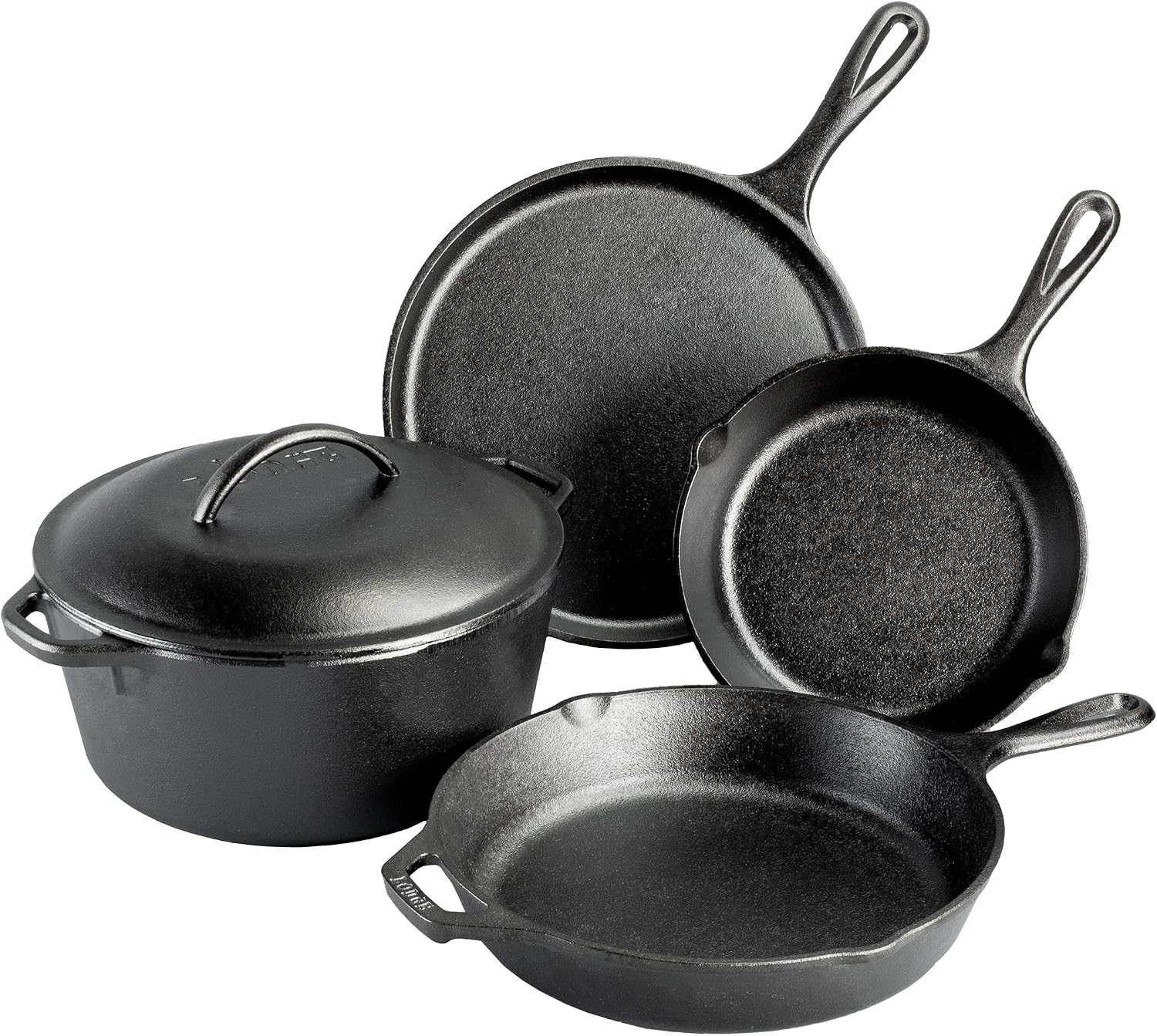
Whether you need a spacious Dutch oven for slow-simmering stews or a sturdy skillet for searing meats, selecting the right material construction ensures long-lasting performance. Exploring these popular enameled and seasoned cast iron options helps you find reliable equipment tailored to your specific cooking habits and household size.
As an Amazon Associate, StacyLaughs earns from qualifying purchases.
Buying guide
Choosing Between Seasoned And Enameled Cast Iron
Deciding between traditional seasoned cast iron and enameled cast iron depends entirely on your personal cleaning preferences and cooking habits. Seasoned iron relies on baked-on oil to create a natural release surface that improves over time with regular use.
Enameled iron features a smooth glass-like coating that requires no seasoning and resists acidic ingredients like tomatoes. Consider how much time you want to spend maintaining your pots before making a final purchasing decision.
Understanding Capacity And Household Meal Sizes
Matching pot capacity to your household size ensures you can prepare enough food without overcrowding your cooking vessel. Smaller pans work well for quick single-portion breakfasts and side dishes.
Larger five to six-quart Dutch ovens accommodate family-sized roasts, soups, and batches of bread easily. Review your typical recipes to determine whether you need compact everyday skillets or spacious deep pots.
Evaluating Stovetop And Oven Compatibility
Cast iron cookware is famous for its versatility across multiple heating sources, including gas burners, electric coils, and induction cooktops. Many pieces also transition directly into hot home ovens safely.
Checking temperature limits ensures your cookware handles high-heat searing or baking without damaging handles or coatings. Always verify that your chosen cookware matches your specific kitchen range setup.
Assessing Handle Design And Maneuverability
Because cast iron is naturally heavy, thoughtful handle design is crucial for safe lifting and pouring. Dual assist handles give you balanced control when managing heavy lidded braisers and ovens.
Teardrop skillet handles offer comfortable grips for daily flipping and tilting. Consider how you prefer to maneuver pots when wearing thick protective oven mitts during cooking.
Prioritizing Maintenance And Long-Term Care
Proper cleaning routines keep your cast iron cookware performing at its absolute best for many years. Traditional seasoned iron demands hand washing and prompt drying to prevent rust development.
Enameled options simplify cleanup with smooth glass-like interiors but still benefit from gentle hand washing to preserve their glossy finishes. Choose a care routine that fits your lifestyle.
Examining Heat Retention And Cooking Performance
The primary advantage of cast iron is its superior ability to retain and distribute thermal energy evenly. Thick walls prevent sudden temperature drops when adding cold ingredients to a hot pan.
This steady performance creates exceptional sears on meats and even crusts on baked artisan loaves. Assess your culinary goals to appreciate how thermal mass improves everyday meal preparation.
Frequently asked questions
Can I use cast iron cookware on an induction cooktop?
Yes, cast iron is naturally magnetic and performs exceptionally well on induction cooktops. Its heavy base ensures stable contact and even heat transfer across smooth glass surfaces, making it a reliable choice for modern kitchens.
Do enameled cast iron Dutch ovens require seasoning before use?
No, enameled cast iron features a smooth glass-like coating that does not require any pre-seasoning. You can wash the pot with warm soapy water and begin cooking immediately without baking on oils.
How should I clean traditional seasoned cast iron skillets?
Traditional seasoned cast iron should be washed by hand using warm water and mild soap if needed, then dried thoroughly immediately. Applying a very thin layer of oil helps protect the surface from rust.
What is the maximum safe temperature for most cast iron cookware?
Many cast iron pieces and enameled Dutch ovens are oven-safe up to 500 degrees Fahrenheit. Always check specific product specifications to confirm the exact temperature rating before placing cookware in a hot oven.
Why is cast iron cookware considered heavy compared to other pots?
Cast iron is a dense, thick metal chosen specifically for its ability to retain heat and distribute it evenly. This heavy physical mass is what gives cast iron its superior thermal performance during searing and baking.