Appliances · Buying Guide
Best Pioneer Woman Stock Pot Selections for Your Kitchen
Finding the right cookware for your home kitchen involves matching pot capacity and material to your daily cooking routines. Whether you are preparing large batches of family soup or simmering seasonal dishes, choosing a reliable stock pot makes meal preparation straightforward.
The options featured here highlight various capacities, materials, and designs tailored for everyday stovetop use. Reviewing these specifications helps you select a cooking vessel that fits your storage space and matches your preferred stovetop type.
As an Amazon Associate, StacyLaughs earns from qualifying purchases.
Buying guide
Material and Construction Choices
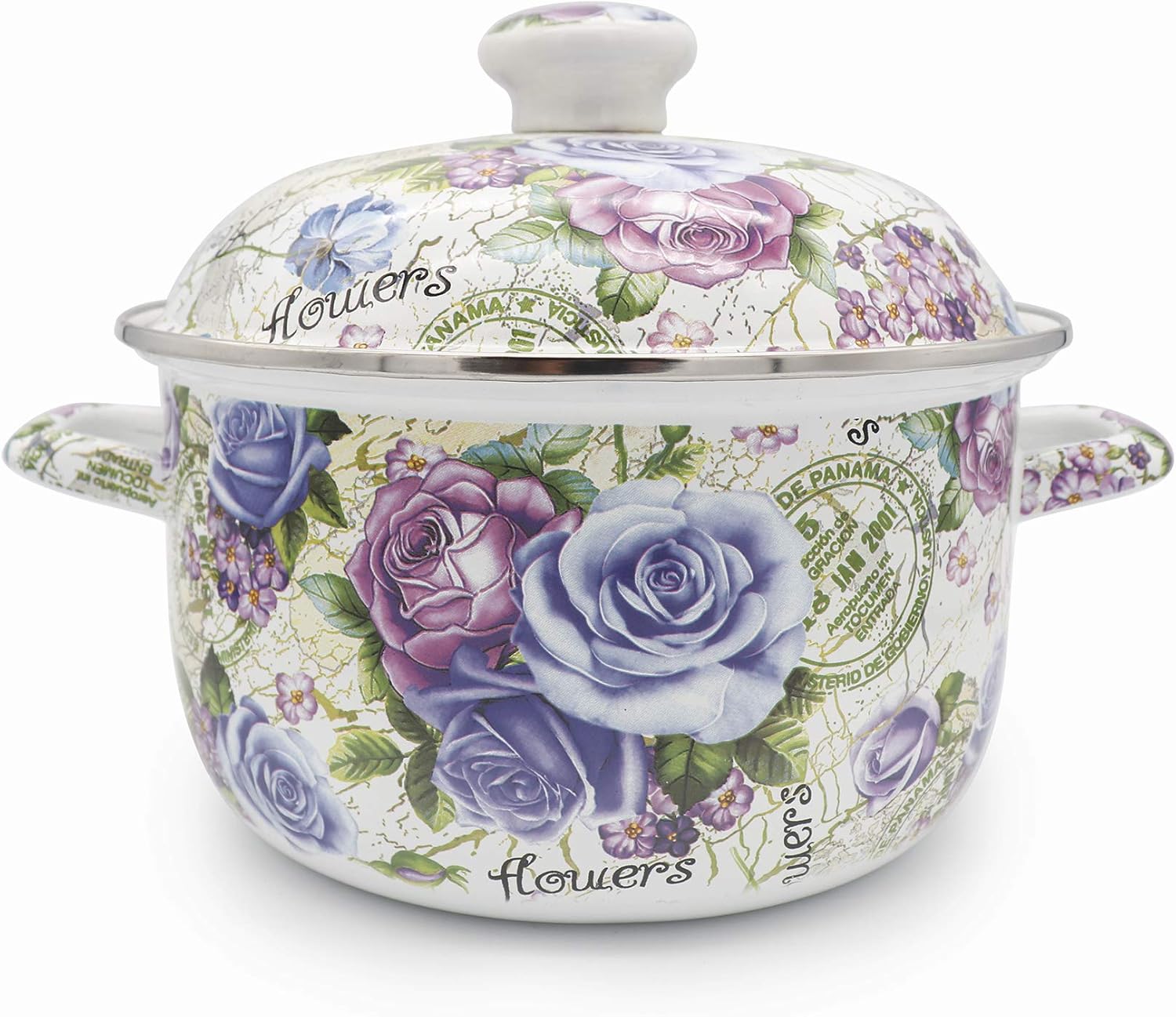
Selecting the right stock pot starts with understanding how different materials handle heat distribution and daily wear in the kitchen. Stainless steel models offer robust durability and frequently withstand automated dishwasher cleaning, making them highly reliable for heavy everyday cooking tasks. Enamel-on-steel options bring colorful exterior finishes to your kitchen space while providing fast, even heating across various standard cooktop types.
Ceramic-coated pots add convenient nonstick surface benefits and decorative seasonal appeal, though they generally require gentler hand-washing routines. Evaluating your personal willingness to hand wash delicate decorative exterior finishes versus placing robust metal pots directly into the dishwasher helps guide your final purchasing decision for long-term kitchen convenience.
Capacity and Portion Planning
Stock pot capacities vary widely from compact 3-quart vessels to massive 12-quart family-sized options designed for crowd cooking. Smaller pots work exceptionally well for simmering everyday side dishes, reheating individual portions, or preparing modest batches of grains and vegetables. Larger twelve-quart configurations easily accommodate massive batches of pasta, homemade broths, seafood boils, and hearty stews for large households.
Matching the pot volume to your typical household size prevents unnecessary storage clutter and ensures efficient cooking performance. Buying a pot that far exceeds your actual serving needs results in heavy, bulky cookware that takes up valuable cabinet space. Assessing your normal recipe volumes ensures you select a practical capacity that meets daily demands.
Stovetop and Oven Compatibility
Modern kitchen cooktops require cookware engineered for specific heat sources, including gas, electric, halogen, and smooth induction surfaces. Induction-compatible pots feature specialized magnetic base constructions that allow proper energy transfer on flat induction cooktops. Reviewing bottom specifications ensures the pot heats evenly without creating dangerous cooking hot spots during active meal preparation sessions across burners.
Oven safety represents another critical factor when complex recipes require moving a heavy pot directly from the stovetop to bake or finish dishes. Certain enamel and metal pots safely withstand high oven temperatures up to 450 degrees Fahrenheit. Checking these maximum heat limits protects side handles and fitted lids from accidental thermal damage during extended baking tasks.
Handle Design and Ergonomic Control
Handling a heavy, liquid-filled stock pot safely depends heavily on robust handle construction and thoughtful ergonomic placement. Riveted side handles provide secure attachment points that resist loosening over years of heavy lifting and transport between stations. Large loop handles offer enough physical clearance for thick oven mitts, giving you confident control when moving hot pots around the kitchen.
Pots lacking secure handles or featuring poorly attached grips create unnecessary safety hazards in busy family kitchens. Evaluating how side handles feel in your hands ensures you can transport heavy meals from the stove to the sink or dining table without physical strain. Comfortable grips make heavy cooking significantly safer for everyday home chefs.
Lids and Heat Retention
A snug-fitting lid is an essential component for trapping steam, heat, and flavor during long simmering and boiling tasks. Domed lids provide extra vertical clearance inside the pot body, allowing ingredients to expand and bubble without overflowing onto burners. Tight seals prevent moisture from escaping too quickly, reducing the need for constant water replenishment during extended cooking sessions for soups and stews.
Examining whether a pot includes a matching lid saves you from searching for or purchasing compatible universal covers separately. Lids designed with secure top lifting knobs or matching enamel finishes also contribute to the overall aesthetic appeal and functional cooking performance of your cookware setup on the busy stovetop.
Cleaning and Maintenance Requirements
Maintaining your stock pot properly preserves its surface coating and extends its usable lifespan in the home kitchen. Stainless steel pots frequently offer dishwasher-safe convenience, letting automated appliances handle messy cleanup routines after cooking sticky chilis or heavy stews. Enamel and ceramic coatings often require gentle hand washing with soft sponges to prevent surface scratching over time.
Avoiding harsh metal scrubbing pads and prolonged soaking periods protects specialized exterior decorations and nonstick interior surfaces from premature wear and tear. Following manufacturer guidelines for routine cleaning ensures your cookware retains its visual appeal and structural integrity over years of regular daily family meal preparation across different seasons.
Frequently asked questions
Can I use these stock pots on an induction cooktop?
Many of the stock pots featured in this guide are fully compatible with induction cooktops, featuring specialized magnetic steel bottoms designed for flat burners. However, compatibility depends entirely on the specific model and material construction. For example, enamel-on-steel and certain induction-ready pots work seamlessly, while standard stainless steel options vary based on their base composition. Always verify the manufacturer's stove compatibility specifications before attempting to use any cooking pot on an induction surface to ensure proper heat transfer and prevent appliance damage.
Are these stock pots safe to use in the oven?
Oven safety varies depending on the specific materials used in each stock pot model. Several enamel-on-steel pots are rated safe for oven use up to 450 degrees Fahrenheit, featuring strong handles that withstand high baking temperatures. Conversely, pots with specific nonstick coatings or attached components not rated for high heat should remain on the stovetop. Always check the individual product specifications and manufacturer guidelines regarding maximum temperature limits before transferring any cooking vessel into a heated oven.
How should I clean my enamel or ceramic stock pot?
Enamel and ceramic stock pots generally require gentle hand washing rather than automated dishwasher cycles to protect their decorative exteriors and specialized coatings. Use a soft cloth or non-abrasive sponge with mild dish soap to wipe down the smooth interior and exterior surfaces. Avoid using harsh metal scouring pads or abrasive cleansers that can scratch or dull the finish. Additionally, preventing long soaking periods helps maintain the coating's integrity and keeps your pot looking vibrant through everyday use.
What size stock pot do I need for my family?
Choosing the right stock pot size depends on your typical household size and the types of recipes you frequently prepare. A smaller 3-quart to 4-quart pot works wonderfully for singles, couples, or small families making everyday sides, grains, and modest soup portions. On the other hand, a large 12-quart stock pot accommodates massive batches of pasta, seafood boils, holiday chilis, and family-sized stews. Evaluate your regular cooking habits and available storage space to select a capacity that fits your lifestyle.
Are stainless steel stock pots dishwasher safe?
Stainless steel stock pots generally offer the convenience of dishwasher-safe construction, allowing you to place them directly into automated dishwashers after cooking. This makes cleanup straightforward, especially after preparing sticky soups, chilis, or heavy stews. However, it remains important to check the specific manufacturer guidelines for your exact model to confirm dishwasher compatibility. Proper maintenance ensures that handles, rivets, and metal surfaces stay in good condition and function reliably over many years of home cooking.