Appliances · Buying Guide
Best Polished Cast Iron Skillet Options for Modern Kitchens
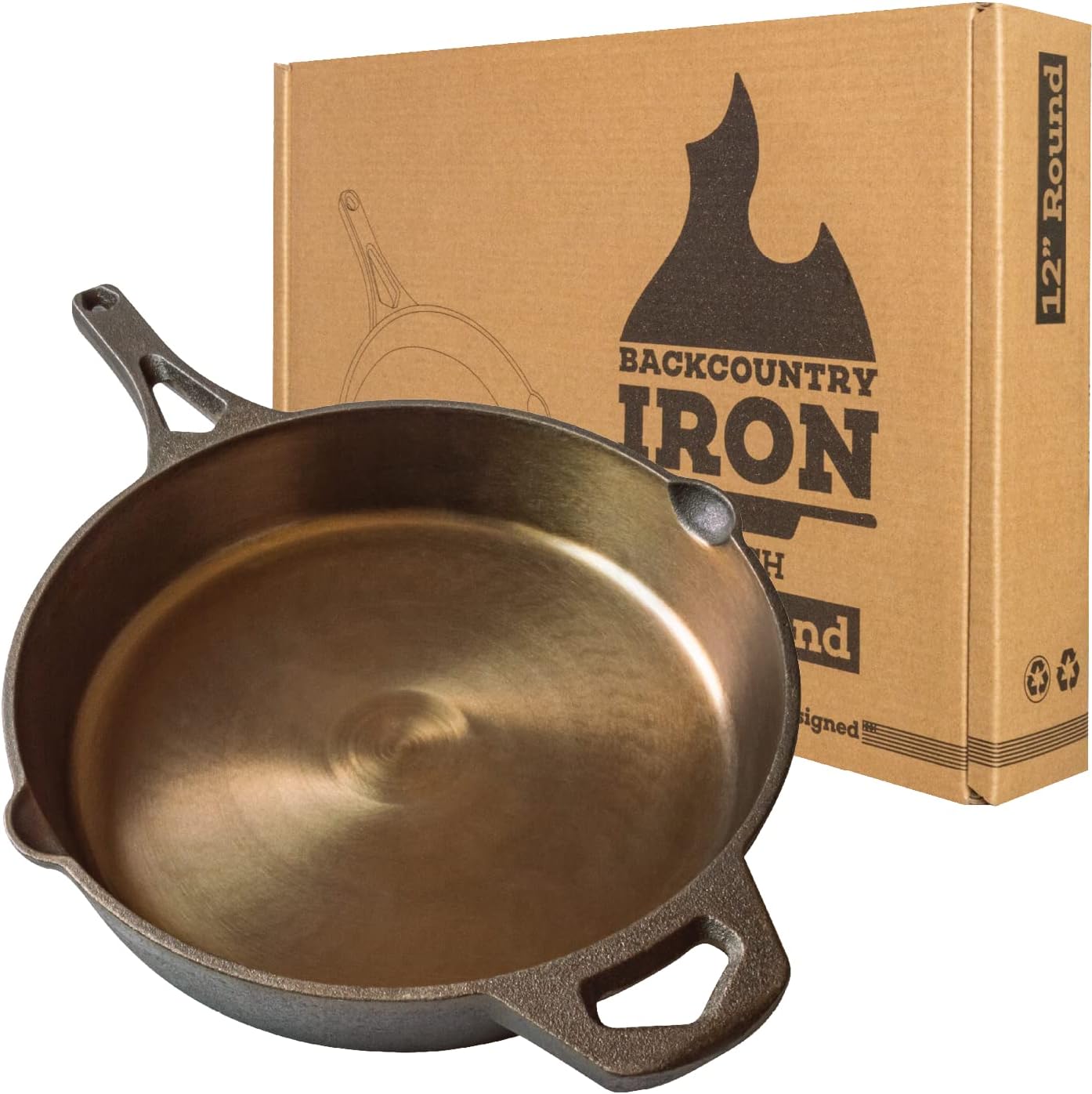
Cooking enthusiasts often seek cookware that combines traditional heat retention with modern convenience for daily meals. A polished cast iron skillet features a carefully machined smooth surface designed to improve food release compared to traditional rough textured pans. This upgrade makes everyday cooking, searing, and subsequent cleanup much simpler for home cooks who appreciate traditional materials.
Choosing the right pan depends heavily on your preferred size, weight limits, and specific stovetop compatibility requirements. Whether you need a large family-sized cooking vessel for batch meals or a lighter option for effortless daily handling, understanding these smooth-surfaced skillets helps you select a durable kitchen companion suited for your cooking style.
As an Amazon Associate, StacyLaughs earns from qualifying purchases.
Buying guide
Surface Machining and Smoothing
Traditional cast iron cookware often features a rough, pebble-textured surface that requires extensive seasoning layers to achieve smooth food release. Polished cast iron skillets undergo a precision milling or machining process that levels this texture down to a smooth finish. This modern manufacturing step helps cooking oils bond evenly across the pan floor, creating a more uniform non-stick cooking environment from the very first meal prepared.
When shopping for a smooth-surfaced skillet, examine whether the machining covers just the cooking floor or extends up the interior sidewalls as well. A fully polished interior prevents food from catching on rough edges during stirring or flipping. While this smooth finish significantly reduces sticking for delicate items like eggs and pancakes, it still benefits from regular oiling and proper maintenance to sustain its performance over time.
Weight and Handling Considerations
Cast iron is naturally dense and heavy, which contributes to its superior heat retention but can make handling difficult during daily meal preparation. Some modern manufacturers utilize advanced casting techniques to produce lighter skillets that reduce overall weight by a notable margin without sacrificing durability. These lighter models make lifting, flipping, and transferring food from stovetop to oven much more manageable for cooks with less arm strength.
However, heavier traditional skillets offer exceptional stability on heavy-duty burner grates and retain high temperatures longer for deep searing tasks. Evaluating your personal physical comfort against your cooking style helps determine whether a lightweight pan or a heavyweight heirloom model best suits your kitchen routine. Always look for auxiliary helper handles on larger models to improve leverage and secure transport when carrying full meals.
Seasoning and Initial Preparation
The preparation state of a polished cast iron skillet significantly impacts how quickly you can start cooking your favorite recipes. Pre-seasoned skillets arrive treated with natural oils like flaxseed or vegetable oil, providing an immediate protective layer that prevents rust and offers usable non-stick properties right out of the box. This factory seasoning continues to polymerize naturally with every subsequent meal you cook in the pan.
Conversely, un-seasoned modern heirloom skillets arrive as raw, mirror-polished metal, requiring you to apply and bake multiple initial seasoning layers yourself before the first use. While this demands extra time and effort upfront, it allows you to customize the seasoning process entirely. Whichever option you choose, establishing a regular routine of light oiling after cleaning ensures your skillet maintains its protective coating and cooking efficiency for years.
Capacity and Sizing Options
Selecting the correct diameter and wall depth ensures your skillet comfortably handles your typical portion sizes without overcrowding the cooking surface. Smaller ten-inch skillets work well for single-portion meals, frying a couple of eggs, or tossing side dishes quickly on the stovetop. On the other hand, twelve-inch models provide expansive cooking areas capable of searing multiple burgers, baking large rounds of cornbread, or preparing one-pan family dinners in a single batch.
Wall height also dictates liquid capacity, with deeper walls accommodating saucy braises, gravies, or deep-dish baking without messy overflow risks. Consider your household size and typical burner dimensions when choosing capacity to ensure even heating across the entire base. A properly sized skillet prevents hot spots, reduces cooking time, and ensures your ingredients brown evenly whether you are cooking breakfast or dinner.
Stovetop and Heat Source Compatibility
One of the greatest advantages of cast iron cookware is its remarkable versatility across a wide array of cooking appliances and environments. Most polished cast iron skillets function seamlessly on traditional gas burners, electric coil elements, and modern smooth-surface induction cooktops. Their sturdy iron construction also allows them to withstand high oven temperatures safely, making them ideal for recipes that start on the stovetop and finish under the broiler.
Outdoor enthusiasts frequently take these durable pans directly to campfires or grill grates, utilizing the open flame without damaging the heavy metal structure. Always verify maximum temperature ratings and specific manufacturer guidelines regarding induction flat glass cooktops to prevent scratching or thermal shock. Choosing a compatible pan ensures you can transition effortlessly from indoor kitchen counters to rugged outdoor cooking adventures.
Pour Spouts and Rim Designs
Managing liquids, excess oils, and pan juices requires careful consideration of the skillet rim design and pouring features. Traditional skillets incorporate dual side pour spouts that offer targeted direction when transferring sauces, gravies, or rendered fats into storage containers. These spouts provide reliable control during cleanup and serving, minimizing drips along the outer walls of the pan.
Modern innovative designs sometimes replace traditional spouts with drip-free flared rims that allow seamless pouring from any angle around the entire circumference of the skillet. This alternative rim style proves particularly useful when baking round items like pizza or cornbread, or when serving meals directly from the pan. Evaluating whether you prefer targeted spouts or a continuous flared rim helps match the cookware to your preferred cooking and serving style.
Frequently asked questions
Why do polished cast iron skillets have smoother surfaces than traditional cast iron?
Traditional cast iron pans feature a rough sand-mold texture that requires extensive seasoning build-up to become non-stick. Polished skillets undergo a precision machining process that mechanically levels this rough surface down to a smooth, even finish. This manufacturing step allows natural cooking oils to bond more uniformly across the metal floor. Consequently, delicate foods like eggs, pancakes, and fish release much more easily from the very first meal, combining the exceptional heat retention of traditional iron with the convenience of modern non-stick cookware.
Do polished cast iron skillets require different cleaning and maintenance methods?
Cleaning a polished cast iron skillet follows the same fundamental principles as traditional cast iron, emphasizing hand washing only and avoiding harsh dishwashers or soaking overnight. After washing with warm water, it is essential to dry the pan completely immediately to prevent rust formation. Applying a very thin layer of organic oil or vegetable oil after drying helps protect the exposed iron surface and maintains the seasoning layer. Because polished surfaces start smoother, maintaining this simple post-wash routine preserves the non-stick release performance over years of regular use.
Can I use a polished cast iron skillet on an induction cooktop?
Yes, cast iron is inherently magnetic, making it exceptionally well-suited for smooth-surface induction cooktops, traditional gas burners, and electric coils. The heavy iron base interacts efficiently with induction magnetic fields to generate rapid, even heat distribution across the cooking surface. However, because cast iron pans are heavy and feature machined metal bases, you should always carefully lift the skillet rather than sliding it across glass cooktop surfaces to prevent accidental scratching or abrasion during everyday meal preparation and cooking tasks.
What is the difference between pre-seasoned and un-seasoned polished cast iron skillets?
Pre-seasoned polished skillets arrive from the factory treated with organic oils like flaxseed or vegetable oil, meaning they are ready to use immediately for cooking eggs, searing steaks, or baking cornbread right out of the box. In contrast, un-seasoned modern heirloom skillets arrive as raw, mirror-polished metal surfaces. These un-seasoned pans require the user to apply and bake multiple initial seasoning layers before their first cooking session. While un-seasoned pans demand more initial setup effort, they offer a completely customizable seasoning foundation tailored to your exact culinary habits.
How do I prevent food from sticking to a polished cast iron skillet?
Preventing food from sticking involves maintaining a healthy seasoning layer, preheating the pan properly over moderate heat before adding ingredients, and using a small amount of cooking oil or butter. Although precision milling creates a smoother surface that naturally releases food better than rough cast iron, maintaining the seasoning through proper cleaning, thorough drying, and occasional oiling is vital. Allowing your ingredients to reach room temperature before cooking and ensuring the pan is adequately preheated will further enhance the non-stick food release performance during searing and frying.