Appliances · Buying Guide
Best Portable Electric Frying Pan Choices for Compact Kitchen Spaces
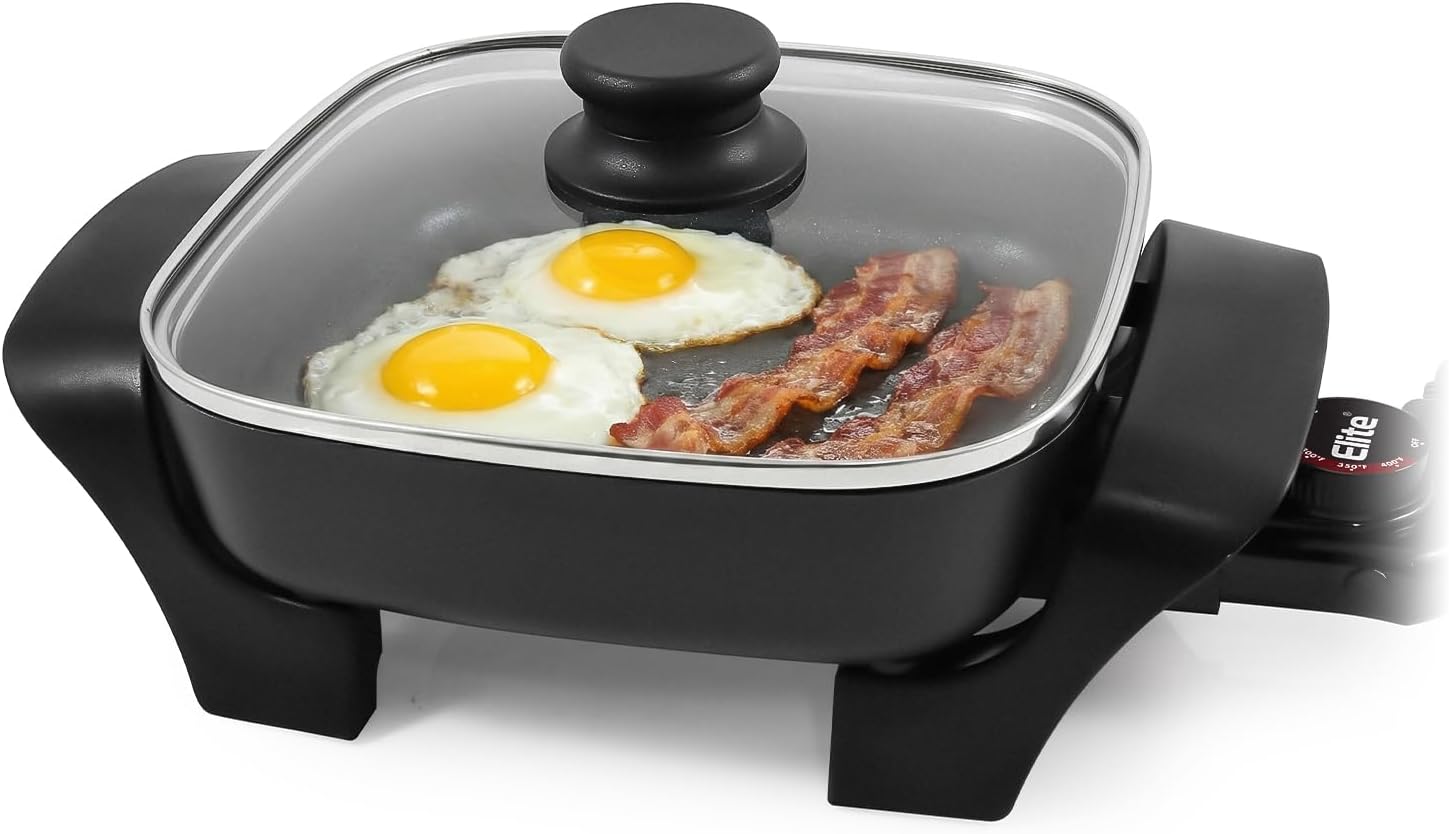
Finding a reliable portable electric frying pan can completely transform how you prepare meals in limited living spaces like dorm rooms, office break rooms, or compact RV kitchens. These versatile countertop appliances combine integrated heating elements with non-stick cooking surfaces to let you fry, sauté, simmer, or steam without relying on a traditional stovetop.
When selecting a portable model, buyers must carefully weigh factors like wattage, cooking surface dimensions, temperature control ranges, and the inclusion of tempered glass lids or steamers. Reviewing these specific design attributes ensures you choose a unit that matches your cooking habits, available storage space, and daily meal preparation requirements safely and efficiently.
As an Amazon Associate, StacyLaughs earns from qualifying purchases.
Buying guide
Cooking Surface Dimensions and Shape
Selecting the right physical dimensions for a portable electric frying pan depends heavily on your available counter space and the exact volume of food you plan to prepare daily. Square models often maximize usable corner space for rectangular food items, while round pans offer classic thermal distribution across the embedded heating element safely.
Personal-sized units measuring around seven inches suit individual meals in dorms or offices, whereas larger surfaces exceeding eleven inches accommodate larger family batches easily. Balancing physical footprint with cooking area ensures your appliance fits comfortably inside your designated storage cabinets without sacrificing meal capacity during frequent home or travel meal preparation routines.
Power Ratings and Wattage Requirements
Wattage dictates how quickly your electric skillet heats up and how efficiently it maintains steady cooking temperatures across the entire metal surface area. Lower wattage models operating between 300 and 600 watts draw minimal electrical current, making them ideal choices for older dorm rooms, hotel circuits, or recreational vehicles with restricted electrical power supplies.
Higher wattage appliances ranging from 1200 to 1400 watts deliver significantly faster heat recovery times and stronger searing capabilities for various meats and vegetables. Buyers must evaluate their electrical power sources carefully to ensure local circuits support higher wattage demands without tripping breakers during intensive multi-stage cooking sessions throughout the day.
Temperature Control Mechanisms
Temperature control mechanisms vary significantly between adjustable analog dials featuring removable probes and simplified push-button dual power settings. Dial systems typically offer specific temperature graduations ranging from low warming levels up to 400 degrees Fahrenheit, allowing precise adjustments for frying, simmering, or slow cooking diverse daily recipes without operational guesswork.
Push-button controls limit user adjustment to preset wattages like 300W or 600W, which work reliably for basic boiling and steaming tasks. Assessing whether you require exact thermal tuning or straightforward power tiers helps match the appliance controls directly to your culinary repertoire and personal operational comfort level during frequent meal preparation.
Non-Stick Coatings and Material Quality
Non-stick interior coatings greatly simplify food release and post-cooking cleanup across portable frying pans and electric skillet appliances. Multi-layer ceramic or specialized non-stick surfaces prevent ingredients from adhering firmly to the underlying aluminum body, reducing the need for excessive cooking oils during daily meal preparation and routine post-cooking maintenance tasks effortlessly and reliably.
Buyers must review manufacturer care guidelines regarding utensil compatibility carefully, as many delicate non-stick surfaces require wooden or silicone tools to prevent scratching. Protecting the coating preserves its long-term surface integrity and ensures consistent food release performance over months of regular countertop cooking and recommended dishwasher cleaning cycles safely and effectively every time.
Portability and Storage Convenience
Portability remains a primary driver for choosing compact electric frying pans over traditional built-in kitchen cooktops. Features like removable locking handles, detachable temperature probes, and lightweight builds make appliances significantly easier to pack securely into storage cabinets, travel bags, or recreational vehicle compartments between daily cooking uses without any hassle.
Evaluating how easily an appliance disassembles for storage helps prevent cluttered countertops in small living spaces. Units with nested accessories or compact square and round footprints offer distinct storage advantages for users who need to stow their cooking gear immediately after finishing meals without taking up excessive cabinet room anywhere in the home.
Safety and Maintenance Features
Built-in safety mechanisms such as automatic shut-off, boil-dry protection, and overheating guards protect both the appliance and the user during active operation. Cool-touch handles and knobs prevent accidental burns when transporting hot skillets or lifting tempered glass lids to check on food progress without risking hand injuries on hot metal surfaces daily.
Maintenance ease depends heavily on dishwasher-safe components and removable temperature probes that allow safe immersion washing of the base plate. Following manufacturer cleaning guidance ensures your portable frying pan maintains optimal hygiene and structural reliability over years of frequent culinary use across different residential or travel environments safely, efficiently, and consistently every time.
Frequently asked questions
Can I clean my electric skillet in the dishwasher?
Many portable electric frying pans feature dishwasher-safe components, but you must always detach the temperature control probe and remove any connected cords before washing. Manufacturers typically specify whether the skillet base and tempered glass lid can be loaded directly into the dishwasher or require hand washing. Reviewing the product manual prevents electrical damage and preserves the integrity of non-stick coatings. Always ensure the appliance is completely dry before reattaching the probe and plugging it back into an electrical outlet for your next meal.
What utensils should I use on a non-stick electric frying pan?
To protect the non-stick interior coating from scratching and peeling, you should exclusively use wooden, silicone, or heat-resistant plastic utensils. Metal spatulas, forks, and knives can easily gouge and ruin delicate ceramic or multi-layer non-stick surfaces, diminishing food release performance over time. Even durable coatings require gentle handling during cooking and cleaning to maintain their smooth finish. Sticking to non-scratch kitchen tools ensures your portable frying pan remains in top condition for all your frying, sautéing, and simmering needs.
Are portable electric frying pans safe to use in dorm rooms and RVs?
Portable electric frying pans are popular choices for dorm rooms, offices, and recreational vehicles because they provide independent cooking options without requiring a conventional stovetop. However, you should always verify the wattage requirements against your location's electrical circuit capacity to avoid tripping breakers. Models featuring automatic shut-off, boil-dry protection, and cool-touch handles offer extra safety during operation in tight spaces. Always place the appliance on a stable, heat-resistant surface away from flammable materials when cooking away from a traditional kitchen.
How do I control the cooking temperature on these appliances?
Temperature control methods vary depending on the specific model design. Many electric skillets use a removable temperature probe equipped with an adjustable dial ranging from low warming levels up to 400 degrees Fahrenheit, allowing precise thermal adjustments for searing meats or simmering sauces. Other compact cookers use simplified push-button controls to toggle between preset power levels such as 300W and 600W. Always consult your specific product instructions to set the appropriate heat level for boiling, frying, or steaming different recipes safely.
What is the advantage of a tempered glass lid?
A tempered glass lid allows you to monitor your cooking progress clearly without needing to lift the cover and release accumulated heat and moisture. This helps trap flavors and maintain stable internal temperatures for braised dishes, soups, and stir-fries. Tempered glass is engineered to withstand high temperatures and steam during active cooking. Many models also feature cool-touch knobs for safe handling, and some include silicone spacers to prevent pressure cracks during storage, enhancing both convenience and kitchen safety.