Appliances · Buying Guide
Best Precision Nuwave Induction Cooktop Options for Modern Kitchens
Finding the right portable burner can completely transform how you handle everyday cooking tasks, especially when counter space is limited. Precision induction technology offers a reliable alternative to traditional gas and electric stoves by directly heating compatible cookware. Nuwave models feature various power levels and temperature controls designed to make cooking efficient and straightforward.
Whether you need a compact single-burner hot plate for an RV or a dual-zone cooktop for multi-course meal preparation, understanding the unique specifications of each unit matters. These induction cooktops utilize magnetic energy to achieve rapid heating without open flames. Reviewing the available options helps match specific wattage, dimensions, and temperature ranges to your daily kitchen requirements.
As an Amazon Associate, StacyLaughs earns from qualifying purchases.
Buying guide
Understanding Wattage and Power Requirements
Induction cooktops rely heavily on electrical wattage to determine how quickly they heat compatible cookware during daily meal preparation. Models typically range from 1400 watts to 1800 watts, directly affecting water boiling speeds and high-heat searing performance. Higher wattage units deliver faster overall heat generation, which proves especially beneficial when heating large heavy pots of water.
However, higher power demands require careful consideration of your home electrical setup and circuit limits. If you plan to use an induction burner in an RV, dorm room, or older apartment, checking circuit amperage prevents tripped breakers. Some models offer selectable wattage settings to help manage power constraints safely while operating in alternative or limited living spaces.
Evaluating Heating Surface Materials and Durability
The cooking surface material plays a vital role in daily kitchen maintenance, heat distribution, and overall product longevity. Most Nuwave induction cooktops utilize heavy-duty ceramic glass or tempered glass engineered specifically to withstand intense thermal stress. This specialized material resists cracking and shattering under high operating temperatures while providing a stable, flat platform for heavy pots and pans.
Smooth glass surfaces completely eliminate open flames and exposed heating coils, making routine clean-up exceptionally straightforward after preparing messy meals. Advanced single-panel edge-to-edge designs further simplify kitchen maintenance by removing small crevices where liquid spills and food crumbs typically accumulate. Selecting a durable glass cooktop ensures reliable performance during frequent cooking sessions over years of regular use.
Temperature Control Precision and Preset Options
Precise temperature regulation stands out as one of the primary advantages of induction cooking technology over traditional electric and gas stovetops. Many Nuwave models feature dozens of pre-programmed temperatures adjustable in small 5-degree increments, allowing home cooks to fine-tune heat levels accurately. This granular control proves essential for delicate culinary tasks like melting chocolate or simmering delicate sauces without burning.
Preset options also simplify everyday cooking routines by providing quick access to common temperature levels for boiling liquids, pan frying, or searing meats. Advanced features such as digital probes or precision keys help minimize temperature overshoot during long cooking cycles. Evaluating the range of available temperature settings ensures you select a burner capable of handling your specific recipes successfully.
Single-Zone Versus Dual-Zone Configurations
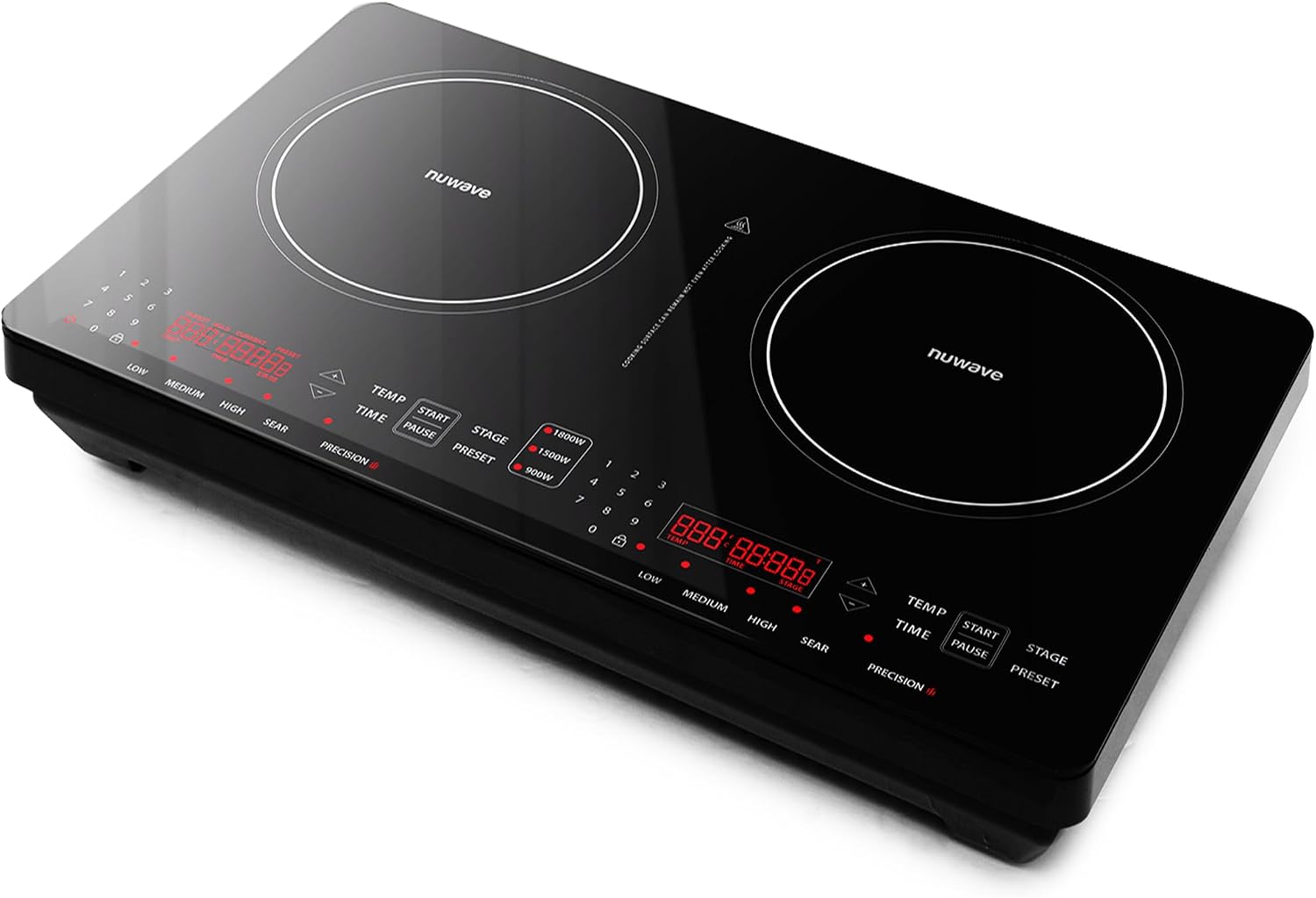
Choosing between a single-zone hot plate and a dual-zone cooktop depends heavily on your typical meal preparation habits and available kitchen counter space. Single-burner units offer ultimate portability and a remarkably compact footprint, making them ideal for small apartments, dorm rooms, and RVs where every square inch matters significantly.
In contrast, dual-zone cooktops provide two independent heating areas, allowing you to simmer a side dish while searing a main protein simultaneously. While dual-burner models require a wider counter space and often manage a shared electrical power pool, they significantly improve multitasking efficiency for preparing complex, multi-course meals at home without cluttering the stove.
Physical Dimensions and Countertop Footprint
Evaluating the physical dimensions of an induction cooktop is crucial for ensuring it fits comfortably within your designated cooking area or storage cabinet. Portable burners vary significantly in width and depth, directly influencing the maximum size of pots and pans you can comfortably place on the heating coil without overcrowding adjacent items or blocking controls.
Compact single-burner models easily slide into tight storage spaces or travel bags, whereas wider dual-zone cooktops demand dedicated permanent countertop placement in your kitchen. Reviewing exact depth, width, and height measurements prevents unexpected spatial fit issues and helps you choose an appliance that integrates smoothly into your daily living space and storage routine.
Usability, Controls, and Interface Design
The type of control interface greatly influences how easily you can operate an induction cooktop during active meal preparation. Modern models feature either touch-sensitive digital panels or physical push buttons integrated directly into the smooth glass surface. Responsive controls allow for quick, on-the-fly adjustments to cooking temperature and active time settings without needing to restart the appliance entirely.
Selecting an intuitive interface ensures you spend less time navigating confusing menus and more time focusing on actual food preparation. Models with embedded touch panels also create a seamless exterior aesthetic that simplifies daily cleaning routines. Considering how you prefer to interact with digital displays helps match the appliance design to your personal cooking style and comfort.
Frequently asked questions
What types of cookware work with Nuwave induction cooktops?
Induction cooktops require magnetic cookware to function properly because they rely on electromagnetic energy to generate heat directly in the pot or pan. Suitable materials include cast iron and magnetic stainless steel. If a magnet firmly sticks to the bottom of your cookware, it is compatible with induction heating surfaces. Aluminum, copper, or glass pots without a magnetic stainless steel base will not heat up on these burners, so checking your existing cookware collection with a simple magnet test before purchasing an induction cooktop is always recommended.
Can I adjust the temperature while cooking without stopping the cycle?
Yes, Nuwave induction cooktops are specifically designed with on-the-fly adjustment capabilities. If you need to increase the temperature or extend the cooking time mid-recipe, you can simply make the changes directly on the digital control panel without having to reset or restart the entire cooking process. The responsive digital interface allows for immediate feedback, ensuring your food continues cooking smoothly whether you are simmering a delicate sauce at low heat or searing meat at higher temperatures.
Are induction cooktops safe to use in RVs and dorm rooms?
Induction cooktops are popular choices for RVs, dorm rooms, and tiny apartments because they do not use open flames or hot exposed coils, significantly reducing common fire risks. Many models also feature selectable wattage options, allowing users to limit power draw to match restricted electrical circuits commonly found in alternative living spaces. However, it remains important to verify that your specific living area's electrical circuit can handle the appliance's maximum wattage demand safely during operation.
How do digital probes help when cooking with induction cooktops?
Certain advanced induction models include a smart digital probe that utilizes cutting-edge thermal sensor technology to monitor the internal temperature of your food constantly. By setting your preferred target temperature, the cooktop manages the heating cycle and automatically stops when the food reaches the exact desired doneness. This eliminates guesswork, prevents overcooking, and ensures consistent culinary results for meats and other temperature-sensitive dishes without requiring manual thermometer checks throughout the entire cooking process.
How should I clean and maintain the ceramic glass surface?
Cleaning the shatter-proof ceramic glass surface is straightforward because the surrounding glass stays relatively cool compared to traditional burners, preventing spills from burning onto the cooktop. After the surface cools down completely, you can wipe away food residue and liquid spills using a damp cloth or sponge. For stubborn spots, following manufacturer maintenance guidance and using non-abrasive cleaners designed specifically for ceramic glass will help maintain the smooth appearance and long-term durability of your induction cooktop.