Appliances · Buying Guide
Best Premium Non Stick Cookware for Every Kitchen Setup
Selecting the right cookware set involves balancing daily meal preparation needs with specific stove compatibility, storage space, and routine cleanup preferences. Modern nonstick options integrate advanced surface coatings and durable metal bases to simplify searing, simmering, and frying without requiring excessive scrubbing after heavy use.
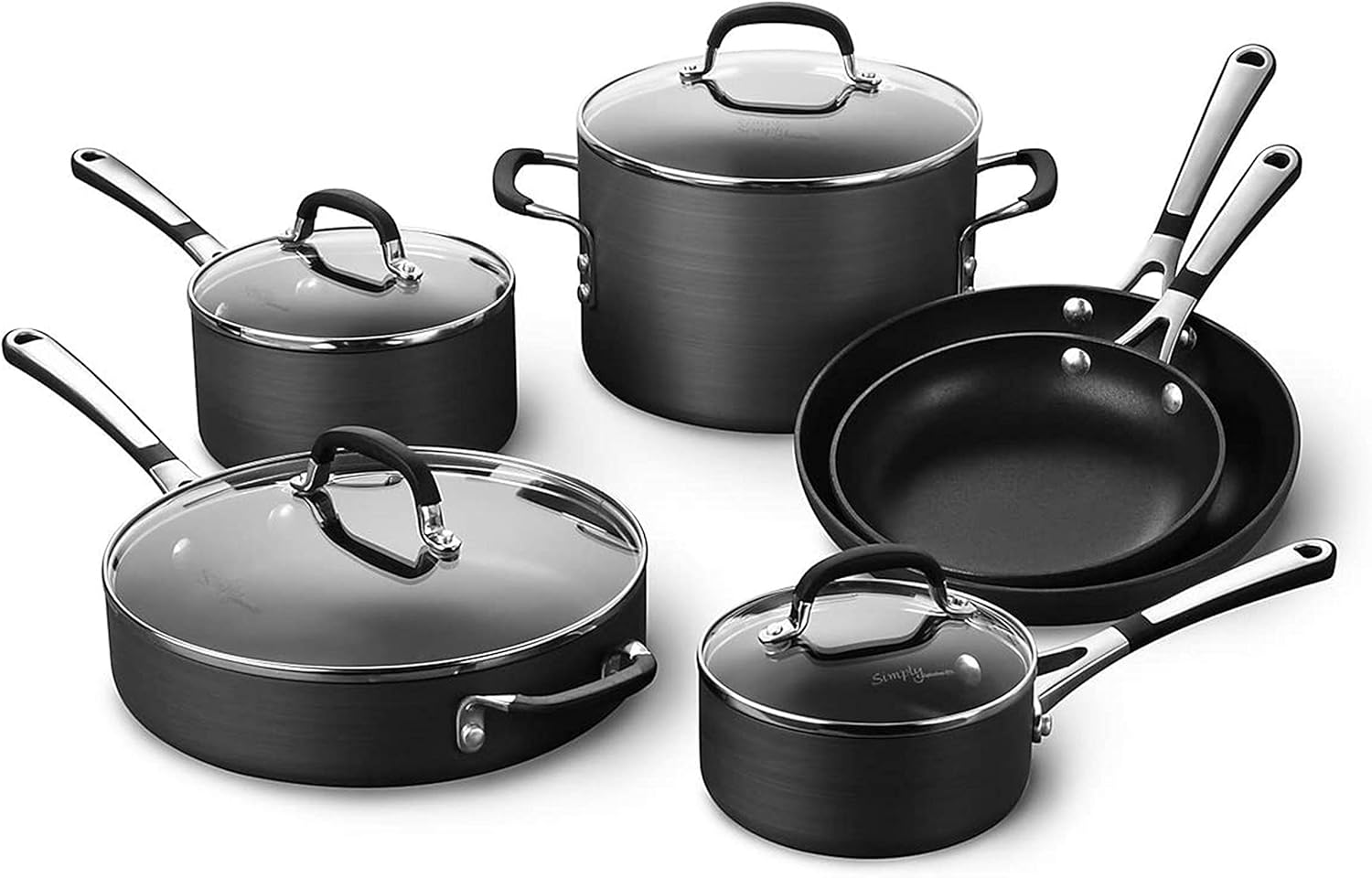
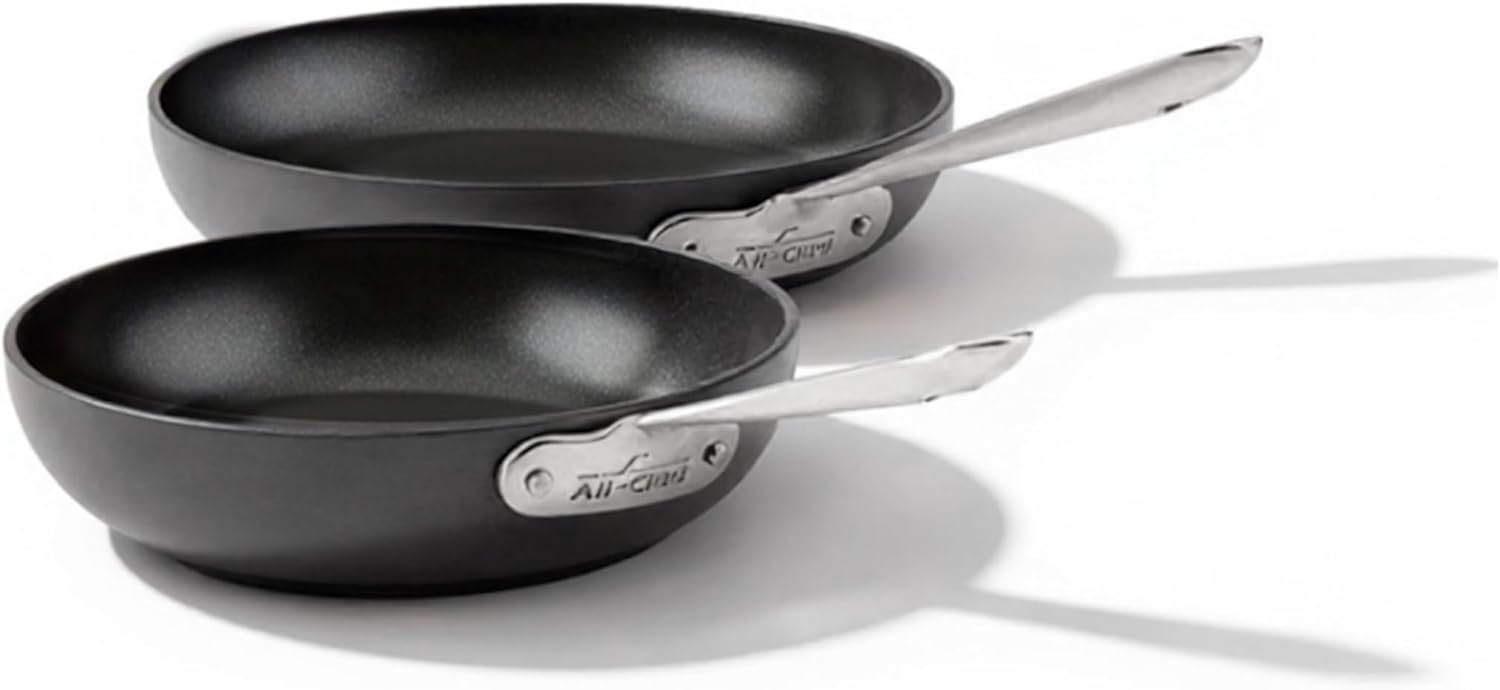
Whether upgrading an entire kitchen collection or adding specialized fry pans for daily breakfast tasks, understanding material specifications helps match pots and pans to your exact cooking style. From heavy hard-anodized aluminum builds to multi-layer stainless steel options, each configuration offers distinct heat responses, handle designs, and maintenance routines designed for reliable home cooking across various recipes.
As an Amazon Associate, StacyLaughs earns from qualifying purchases.
Buying guide
Evaluating Material Composition
Choosing the correct material foundation significantly influences how evenly heat transfers across your cooking surface during daily meal preparation. Hard-anodized aluminum offers robust warp resistance and relatively lightweight handling, making it a favorite for responsive stovetop temperature control. Multi-layer stainless steel configurations integrate conductive inner metal layers to eliminate hot spots completely.
Reviewing your typical recipes helps determine whether an aluminum build or a tri-ply stainless steel body best fits your kitchen routine. Heavy-gauge metals retain thermal energy longer, supporting steady simmering and thorough browning tasks. Matching the material weight to your cooking frequency ensures your cookware investment withstands daily use without premature degradation over the years.
Stove Compatibility and Base Design
Verifying stove compatibility prevents frustrating performance mismatches after unboxing your new pots and pans collection. While standard gas and electric cooktops accommodate almost all aluminum cookware options, modern induction ranges require specialized magnetic stainless steel bases. Checking your specific cooktop type before buying ensures proper thermal transfer and prevents purchasing incompatible kitchen gear.
Bonded bases and encapsulated discs enhance structural stability while facilitating rapid heat distribution across the entire cooking area. Flat bottom surfaces maximize direct contact with heating elements, improving boiling speeds and searing efficiency for everyday recipes. Prioritizing correct base engineering guarantees that your cookware performs reliably regardless of your specific kitchen stove configuration.
Nonstick Technology and Durability
Advanced nonstick coatings significantly simplify food release and reduce the need for excessive cooking oils during daily frying tasks. Multi-layer ceramic or titanium surfaces resist everyday wear, keeping eggs and delicate proteins sliding smoothly across the pan floor. Understanding how these specialized surface coatings are reinforced helps evaluate long-term durability under frequent kitchen use.
Maintaining nonstick longevity requires respecting manufacturer utensil guidelines and avoiding harsh abrasive scrubbers that can compromise smooth surface integrity over time. While diamond-textured hybrid designs tolerate metal kitchen tools better, silicone and wooden utensils safely extend the lifespan of standard coatings. Balancing nonstick convenience with proper daily care preserves optimal food release performance.
Handle Ergonomics and Safety
Handle construction dictates comfort and secure control when lifting heavy stockpots filled with boiling liquids or maneuvering loaded sauté pans. Ergonomic designs featuring silicone grips or cast stainless steel stay-cool properties protect hands during active stovetop cooking sessions. Riveted handle attachments provide permanent structural security compared to weaker welded joints that loosen over time.
Assessing handle weight distribution prevents wrist strain during repetitive tossing and pouring motions in a busy home kitchen environment. Long handles keep hands safely away from direct heat sources, while contoured shapes offer a dependable, slip-resistant grip. Prioritizing sturdy, comfortable handles transforms routine cooking tasks into safer and much more manageable everyday meal preparation experiences.
Oven Safety Limits and Lids
Versatile cookware often transitions seamlessly from stovetop searing to oven finishing, significantly expanding your daily recipe possibilities. Checking maximum temperature thresholds is crucial, as handles and glass lids frequently feature lower heat limits than the main metal pots. Exceeding these specified manufacturer ratings can warp components or damage transparent viewing panels during high-heat broiling.
Tempered glass lids let you monitor cooking progress closely without releasing trapped heat and moisture into the kitchen environment. However, lid hardware, knobs, and silicone rims often restrict oven safety to moderate temperatures like 350 or 425 degrees Fahrenheit. Reviewing these threshold differences ensures safe multi-stage cooking without unexpected equipment damage or safety hazards.
Cleaning and Maintenance Requirements
Routine maintenance practices dictate how well your cookware retains its aesthetic appeal and nonstick efficiency over years of regular use. While many modern collections claim automated dishwasher safety, manual hand washing with mild soap preserves delicate surface coatings much longer. Understanding cleaning expectations helps match cookware care routines to your busy household lifestyle and preferences.
Avoiding abrasive scouring pads prevents microscopic surface scratches that trap stubborn food residue and degrade nonstick release properties over time. Prompt drying after washing prevents mineral water deposits from forming on metal surfaces and colored exterior finishes. Adhering to proper manufacturer maintenance guidelines protects your cookware investment and ensures consistent cooking performance.
Frequently asked questions
Can premium nonstick cookware be used on induction cooktops?
Induction cooktops require magnetic cookware bases to generate heat efficiently through magnetic fields. Many modern nonstick sets feature stainless steel bases specifically optimized for induction ranges, while traditional aluminum-only sets lack this magnetic property. Always verify the manufacturer specifications before purchasing if you use an induction cooktop. Selecting non-compatible cookware will result in the burner failing to recognize the pan, preventing any heating from occurring. Checking base materials ensures your new pots and pans will function seamlessly on your specific kitchen range without performance issues.
Are metal utensils safe to use on nonstick pots and pans?
Most standard nonstick coatings are easily scratched by metal forks, spoons, or spatulas, which compromises food release performance over time. Manufacturers generally recommend using silicone, wooden, or nylon utensils to protect the delicate nonstick surface during cooking. However, advanced hybrid collections featuring diamond-reinforced or ultra-tough ceramic technologies are engineered to withstand metal utensils without sustaining damage. Always consult the specific product guidelines provided by the manufacturer before introducing metal tools to your everyday cooking routine to maintain optimal surface durability.
What is the benefit of hard-anodized aluminum cookware?
Hard-anodized aluminum undergoes an electrochemical process that hardens the metal, making it significantly denser and twice as hard as stainless steel. This specialized treatment creates a durable, corrosion-resistant exterior that resists warping under high heat and heavy daily use. Additionally, aluminum provides exceptional thermal conductivity, ensuring that heat spreads quickly and evenly across the entire cooking base. This eliminates frustrating hot spots, resulting in thoroughly browned meats and evenly simmered sauces during your standard meal preparation routines.
Can nonstick cookware sets go safely into the oven?
Many nonstick cookware sets offer oven-safe capabilities, but the maximum temperature limits vary significantly depending on the materials used. While the main metal pots and pans often withstand high oven heat ranging from 400 up to 850 degrees Fahrenheit, attached components like glass lids and silicone handles usually feature lower thresholds. Lids and silicone grips are frequently restricted to 350 or 425 degrees Fahrenheit. Always review the specific temperature ratings for both the vessels and their accessories before transferring cookware from the stovetop into a hot oven.
Is dishwasher cleaning recommended for nonstick pots and pans?
Although numerous cookware manufacturers label their nonstick products as dishwasher safe for convenience, many experts and brands recommend hand washing. Automated dishwashers use harsh detergents and powerful water jets that can gradually degrade nonstick coatings and dull exterior finishes over extended periods. Manual washing with a soft sponge and mild dish soap helps preserve the protective surface layer, ensuring effortless food release and extending the overall lifespan of your cookware set. Evaluating your personal cleaning preferences helps guide your final purchasing decision.