Appliances · Buying Guide
Best Pressure Canner for Beginners: Top Stovetop and Electric Choices
Choosing a pressure canner for beginners involves weighing traditional stovetop models against automated electric units. Stovetop canners typically offer massive batch capacities for seasonal harvests, while electric options handle temperature and pressure regulation automatically to simplify the preservation process.
Whether you preserve garden vegetables, meats, broths, or fruit preserves, finding the right design depends entirely on your kitchen stove setup and preferred cooking method. This overview examines five distinct pressure canners equipped with essential starter kits, accurate pressure gauges, and multi-lock safety systems to help you select the ideal home food preservation tool.
As an Amazon Associate, StacyLaughs earns from qualifying purchases.
Buying guide
Material Composition and Durability
When selecting a pressure canner, the choice between aluminum and stainless steel directly impacts long-term maintenance, heating speed, and overall durability. Aluminum models offer lightweight handling and rapid heat distribution, making them popular choices for large stovetop vessels during peak harvest seasons. However, traditional aluminum can sometimes react with highly acidic ingredients if left in contact for extended periods during cooking.
On the other hand, heavy-duty stainless steel options resist corrosion and prevent unwanted metal reactivity with acidic ingredients, providing a robust surface for diverse recipes. Evaluating your cooking habits, storage capabilities, and typical recipes helps determine which metal composition best suits your household kitchen environment and long-term food preservation goals.
Capacity and Batch Sizing
Canner capacity dictates how many glass jars you can process in a single heating cycle, influencing overall time efficiency. Large twenty-two to twenty-four quart models easily accommodate multiple quart jars or dozens of smaller pint jars simultaneously, making them ideal for preserving bulk garden harvests. Smaller units fit compact kitchens nicely but require multiple runs for large batches.
Assessing your typical harvest size helps prevent purchasing a vessel that is either too bulky to store or too small for your goals. Matching the internal volume to your storage space ensures your equipment remains practical for regular use throughout the year without crowding your countertops or kitchen cabinets unnecessarily.
Stovetop Versus Electric Operation
The operational mode separates traditional stovetop canners from automated electric countertop models. Stovetop units require manual burner adjustments to maintain steady pressure, offering reliable high-heat performance across gas, electric, and induction ranges. They rely entirely on your stove availability and demand attentive user oversight during the entire food preservation process.
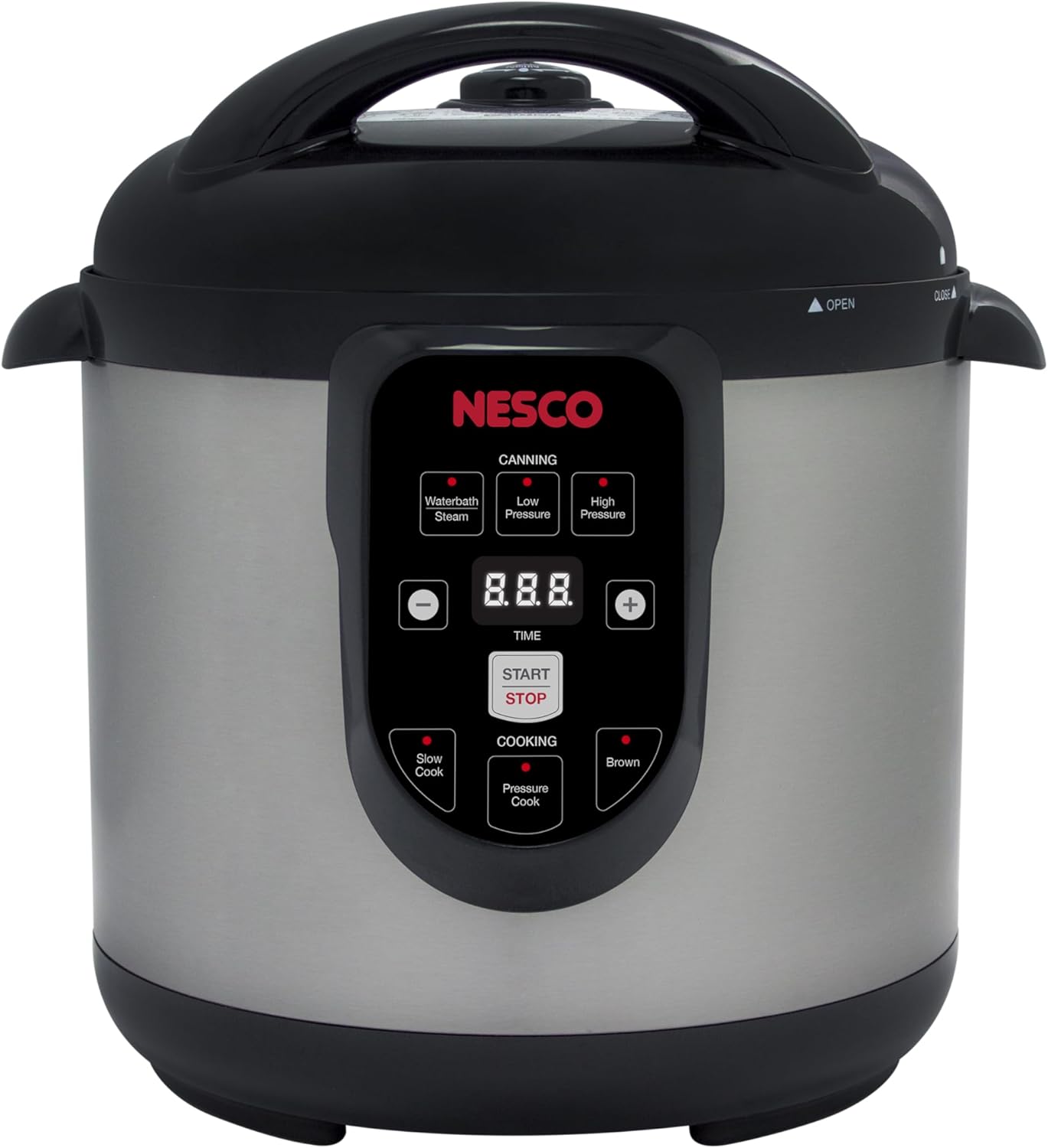
Conversely, electric pressure canners feature digital controls and automated temperature regulation that eliminate guesswork during processing cycles. These countertop appliances plug directly into standard electrical outlets, offering multi-function cooking modes for steaming and slow cooking alongside dedicated canning routines.
Stovetop and Cooktop Compatibility
Cooktop compatibility is a critical factor when choosing a manual pressure canner for your kitchen. While aluminum models frequently work on gas and electric coil burners, induction cooktops require flat-bottomed pots featuring magnetic stainless steel or specialized bases. Verifying your specific stove type ensures the canner heats evenly and securely without sliding around.
Smooth-top glass ranges also have weight limits and surface care requirements that influence which pot materials are safest to use. Checking manufacturer guidelines prevents surface scratches and guarantees proper heat transfer during long, high-temperature canning sessions across different kitchen stove designs.
Safety Features and Pressure Regulation
Safety mechanisms are essential components in any pressure preservation equipment. Modern canners incorporate secure locking lids, overpressure release valves, and air vent systems to ensure pressure builds only when securely closed. These features prevent accidental opening while internal pressure remains dangerously high, giving beginners peace of mind during operation.
Pressure regulation methods also vary between standard weights and precise mechanical gauges. Understanding how your chosen unit displays and controls internal pressure helps you maintain accurate processing conditions required for safe home food preservation.
Included Accessories and Starter Kits
Many beginner-friendly pressure canners include comprehensive starter kits with essential tools like jar lifters, funnels, and magnetic lid lifters. These bundled accessories eliminate the need to purchase separate items, providing everything required to start processing jars immediately. Stainless steel or wire racks are also commonly included to keep jars elevated off the bottom.
Reviewing what comes inside the box helps you determine overall value and readiness for your first preservation project. Having dedicated tongs, bubble removers, and step-by-step guides makes the learning curve much smoother for individuals new to home canning.
Frequently asked questions
What is the main difference between a pressure canner and a standard pressure cooker?
While both appliances build internal pressure using steam, pressure canners are specifically engineered and tested to maintain the precise, steady pressures required for low-acid food preservation. Pressure cookers are primarily designed to speed up daily meal preparation rather than process jars safely. Canners feature larger internal capacities, precise pressure gauges, and reliable weight regulators that accommodate multiple glass jars upright. Using a standard pressure cooker for canning is generally discouraged because they often lack the size and official certification guidelines needed for proper jar processing.
Can I use a traditional aluminum pressure canner on an induction cooktop?
Traditional aluminum pressure canners do not work on induction cooktops unless they feature a specially bonded magnetic base. Induction cooktops rely on magnetic fields to generate heat directly within compatible cookware. Pure aluminum lacks the magnetic properties required for this technology. If you cook with an induction range, you must verify that the product description explicitly states induction compatibility or choose a heavy-duty stainless steel model designed with a flat, induction-ready bottom plate to ensure proper heating performance across your stove.
Why is pressure canning necessary for low-acid foods like meats and vegetables?
Low-acid foods lack the natural acidity required to prevent the growth of harmful bacteria during room-temperature storage. Boiling water bath canning only reaches standard boiling temperatures, which is insufficient to destroy certain bacterial spores found in meats, seafood, and garden vegetables. Pressure canning elevates internal temperatures well above normal boiling points by trapping steam under controlled pressure. This high-heat environment is the method recommended for safely destroying stubborn spores, ensuring your preserved meats and vegetables remain stable on pantry shelves.
Are electric pressure canners easier for beginners than stovetop models?
Electric pressure canners are often considered easier for beginners because they automate temperature and pressure regulation throughout the processing cycle. Instead of manually watching burner flames and adjusting stove dials to maintain a specific PSI, users simply select digital preset programs on the control panel. However, electric models typically offer smaller internal capacities than large stovetop vessels. Beginners must decide whether they prefer the hands-off convenience of automated countertop appliances or the massive batch capacity of traditional stovetop pressure cookers.
What essential accessories should a beginner look for in a canning kit?
Beginners should look for canning kits that include a sturdy jar lifter for safely removing hot glass jars from boiling water or steam. A wide-mouth canning funnel prevents spills when filling jars with liquids or chunky produce. Other valuable tools include a magnetic lid lifter for sanitary handling of flat metal lids, a bubble remover and headspace tool to eliminate trapped air pockets, and a wire or stainless steel canning rack. Having these accessories included in your purchase simplifies the entire home preservation process right from the start.