Appliances · Buying Guide
Best Rachael Ray Cast Iron Skillet Options for Modern Kitchens
Selecting the right cookware for everyday kitchen tasks requires balancing heavy-duty durability with straightforward cleaning routines. Traditional cast iron demands meticulous seasoning and careful hand washing to prevent rust formation, which often deters busy home cooks from enjoying its superior heat retention capabilities during routine meal preparation.
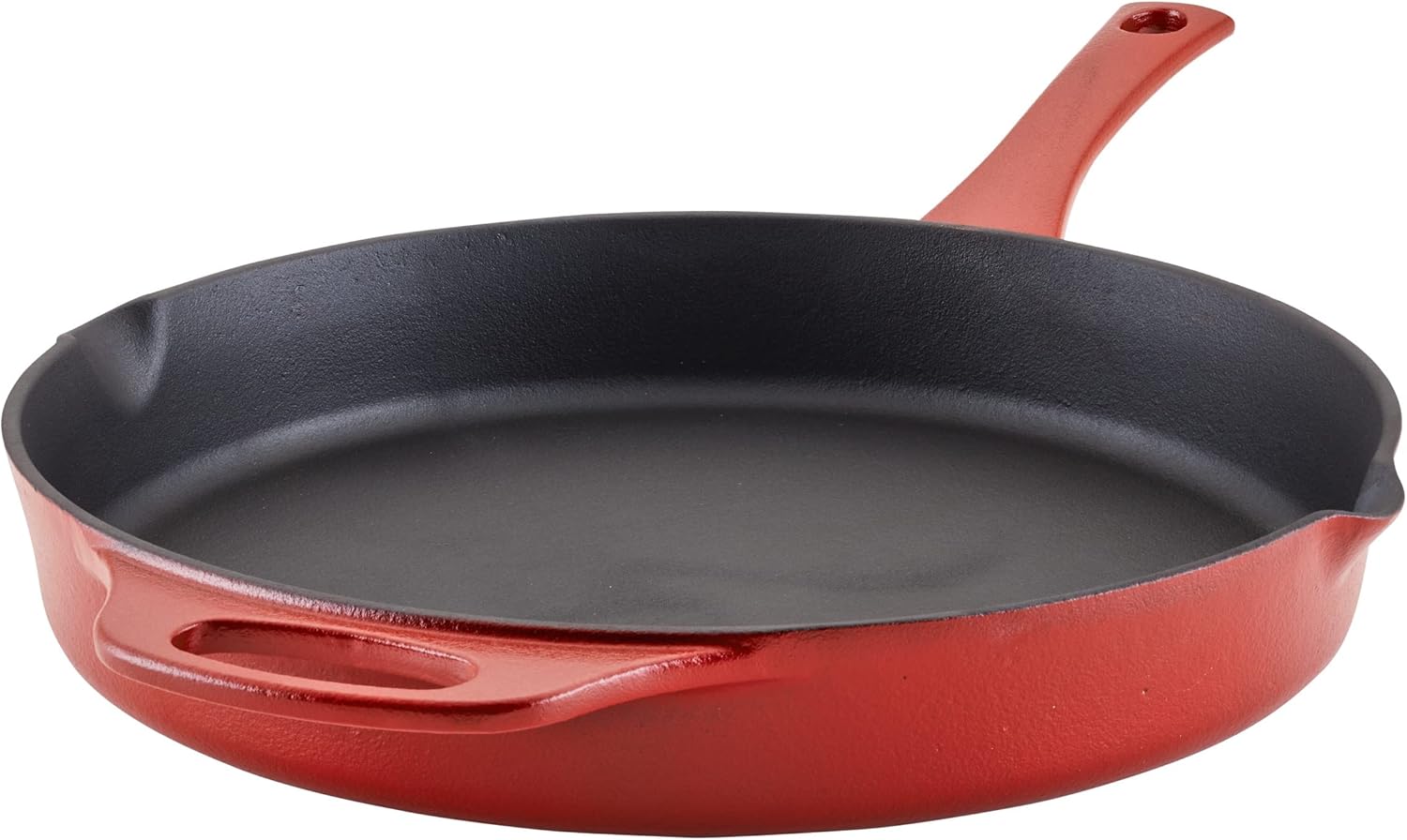
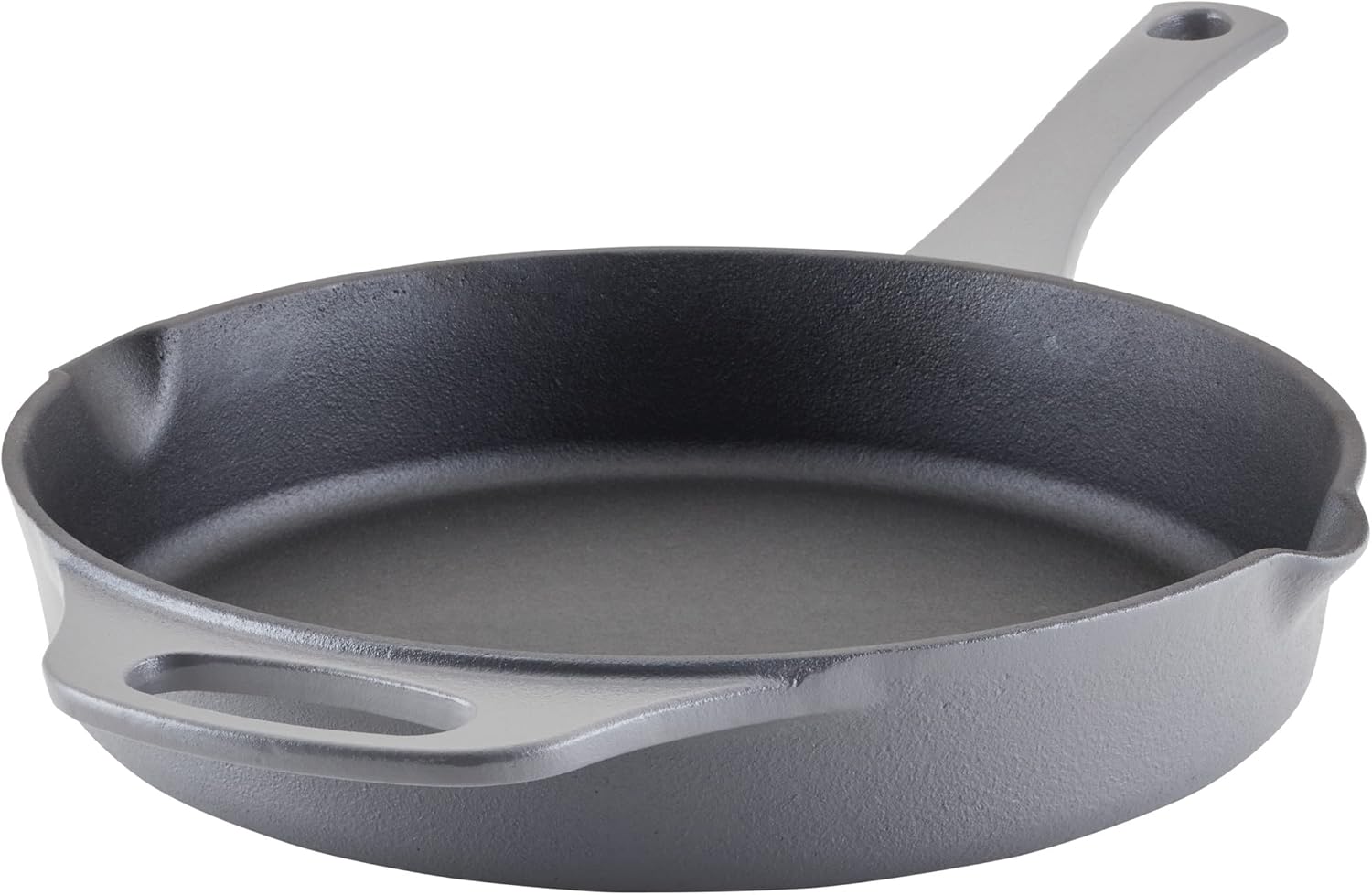
The Rachael Ray cast iron skillet collection introduces an innovative nitro heat treatment designed to solve these common upkeep challenges entirely. These versatile pans combine classic thermal performance with enhanced surface sealing, allowing you to sear meats, bake delicious casseroles, and transition seamlessly from hot stovetops to the oven without complicated maintenance steps or seasoning requirements.
As an Amazon Associate, StacyLaughs earns from qualifying purchases.
Buying guide
Surface Technology and Seasoning
Traditional cast iron cookware requires tedious initial seasoning sessions and ongoing maintenance practices to prevent unsightly rust formation and maintain a functional cooking surface over time. Modern nitro-treated alternatives eliminate these demanding preparation steps entirely by sealing microscopic pores directly into the metal during the manufacturing process, letting you start cooking immediately without extra preparation.
This advanced treatment creates a smooth, fortified layer that resists chipping, staining, and rusting without relying on traditional oil seasoning coats. Home cooks can wash these pans using standard dish soap without stripping protective layers, streamlining daily kitchen cleanup routines significantly while preserving long-term product durability across years of regular meal preparation.
Size and Capacity Considerations
Choosing the correct skillet size depends heavily on your household size and the specific types of recipes you routinely prepare for dinner. A compact 10-inch model provides a manageable 2.3-quart capacity that excels at frying eggs, sautéing vegetables, or searing single portions of meat for smaller households without taking up excessive cabinet storage space.
Conversely, a larger 12-inch variant offers a spacious 3.4-quart volume capable of handling substantial family-sized meals, whole chickens, or expansive batches of side dishes simultaneously. Evaluating your typical portion requirements ensures you select a pan that accommodates your cooking style without forcing overcrowded ingredients or managing unnecessary weight during daily use.
Heat Distribution and Retention
Cast iron remains a highly preferred material in home kitchens primarily because of its legendary ability to absorb, retain, and distribute thermal energy evenly across the entire cooking surface. This exceptional thermal stability ensures that meats develop a deep, uniform crust and baked goods achieve proper edges consistently across every single cooking batch.
Advanced manufacturing treatments enhance these natural thermodynamic properties while maintaining seamless compatibility with modern kitchen appliances. Whether you are searing proteins on high stovetop heat or baking dense batters inside the oven, the heavy metal construction guarantees steady thermal performance from edge to edge without developing localized hot spots.
Stovetop and Oven Versatility
Modern cookware must adapt to diverse kitchen heat sources, ranging from traditional gas flames to high-tech induction cooktops and enclosed oven cavities. Quality cast iron skillets excel in this multi-surface environment, allowing you to start a recipe on the burner and finish it inside the oven safely without swapping cooking vessels.
Temperature limits dictate how far you can push your cookware during intensive baking or broiling tasks. Selecting models rated up to high temperature thresholds ensures you can tackle roasted vegetables, heavy casseroles, and broiled meats without damaging the structural integrity or specialized exterior finish of the pan over time.
Handling and Ergonomic Design
Heavy metal pans require thoughtful ergonomic design features to ensure safe transport between kitchen counters, active cooktops, and dining tables. Long main handles provide necessary leverage, while secondary helper grips distribute the load evenly across both hands when lifting exceptionally heavy loads of cooked food.
Pour spouts integrated into the rim add another layer of practical convenience by letting you drain excess cooking liquids or serve homemade sauces cleanly. Evaluating these physical design details prevents kitchen mishaps and makes daily meal preparation significantly more comfortable for home cooks at every skill level.
Maintenance and Cleaning Ease
Upkeep requirements heavily influence how often you will actually use your cast iron skillet for everyday cooking tasks. While traditional unsealed pans demand meticulous hand drying and oiling routines, modern treated surfaces allow for straightforward washing with standard dish soap and warm water without damaging the seasoning layer.
Choosing an easy-to-maintain option saves valuable time after dinner without sacrificing the high-heat searing performance you expect from traditional cast iron. Always follow manufacturer care guidelines regarding manual hand washing to preserve the fortified exterior and interior finishes over years of frequent kitchen use.
Frequently asked questions
Do Rachael Ray cast iron skillets require seasoning before use?
Unlike traditional cast iron cookware that demands time-consuming initial seasoning sessions, these nitro-treated skillets arrive ready for immediate cooking. The specialized manufacturing process seals microscopic surface pores, creating a durable, rust-resistant layer that eliminates the need for pre-seasoning. You can start cooking right out of the box without applying oils or baking the pan in the oven. This modern treatment also means you can wash the skillet with standard dish soap during cleanup, simplifying your daily kitchen maintenance routine significantly.
Can I use metal utensils on this nitro cast iron surface?
While the advanced nitro heat treatment creates a tough, fortified finish that is harder than standard enamel, it is always wise to review manufacturer recommendations regarding metal tools. Generally, utilizing wooden, silicone, or heat-resistant plastic utensils helps prevent unnecessary surface scratching and preserves the smooth appearance of the colored exterior and interior cooking areas over years of regular use. Adopting careful tool habits ensures your cookware maintains its aesthetic appeal and reliable performance through countless meal preparations.
Are these skillets safe to use on induction cooktops?
Yes, these skillets are fully compatible with induction cooktops, along with gas burners, electric coils, and smooth-surface cookers. The heavy cast iron construction naturally interacts with magnetic induction elements to provide rapid, even heating across the entire base of the pan. This broad compatibility makes the cookware versatile enough to transition between different kitchen setups if you remodel your cooking space or move to a new home in the future.
What is the maximum temperature limit for oven baking?
These versatile cast iron skillets are engineered to withstand temperatures up to 500 degrees Fahrenheit, making them safe for standard oven baking, stovetop searing, and broiler tasks. This high heat tolerance allows you to start a gourmet steak or savory frittata on the burner and transfer the entire pan directly into the oven to finish cooking. Always use proper heat-resistant mitts when handling the hot metal handles and helper grips after removing the pan from heat.
How should I clean and dry my nitro cast iron pan?
Cleaning these pans is straightforward because the nitro-sealed surface allows for safe washing with standard dish soap and warm water. Unlike traditional raw cast iron that must never touch soap, these modern variants tolerate soapy water easily. After washing, thoroughly hand dry the skillet with a towel to prevent moisture retention. Always follow the manufacturer care instructions specifying hand wash only, meaning you should avoid placing the pan into an automatic dishwasher.