Appliances · Buying Guide
Best Rated Copper Cookware Sets for Everyday Kitchen Cooking
Finding the right cookware set can completely transform how you handle daily meal preparation on your home stovetop and oven. Copper cookware remains a consistently popular choice for home cooks due to its impressive heat conductivity, fast heating performance, and attractive appearance in modern kitchens. Choosing a complete collection ensures you have the right pot or pan for frying, simmering, boiling, and sautéing various recipes.
Whether you are outfitting a brand-new kitchen space or replacing an older, mismatched collection, understanding the differences in core construction, piece count, and cooktop compatibility helps you select the ideal option for your daily cooking style and household needs. Exploring various multi-ply designs and finish types allows you to invest wisely in cookware that matches your appliances, storage space, and routine culinary tasks.
As an Amazon Associate, StacyLaughs earns from qualifying purchases.
Buying guide
Evaluating Core Construction and Heat Distribution
Selecting the right copper cookware begins with examining closely how the metal layers are structured together. Many premium collections utilize either fully bonded multi-ply designs or exterior plating over alternative core metals like aluminum or stainless steel. A thick conductive core enhances thermal responsiveness across the entire cooking surface, allowing precise temperature management while you prepare intricate recipes.
This rapid, even heat distribution helps eliminate annoying hot spots during frying, boiling, or simmering tasks. Understanding these structural differences ensures you choose pots and pans that deliver consistent thermal performance for delicate sauces, high-heat searing, and everyday family meals without unexpected temperature fluctuations or burnt food centers in your kitchen.
Understanding Stovetop and Induction Compatibility
Stovetop compatibility represents a vital purchasing factor when investing in new pots and pans for your kitchen setup. Traditional copper and many standard multi-ply sets work seamlessly with gas, electric coil, and ceramic glass cooktops found in most homes. However, modern magnetic induction cooktops require specific base properties to function efficiently and safely during everyday meal preparation tasks.
Manufacturers frequently incorporate specialized stainless steel wrap-around bases or bonded magnetic outer layers to ensure proper induction connectivity without sacrificing rapid heating speed. Always verify your specific household cooktop type against the official manufacturer compatibility guidelines before making a final purchasing decision to prevent frustrating performance issues with your existing appliances.
Assessing Piece Count and Everyday Versatility
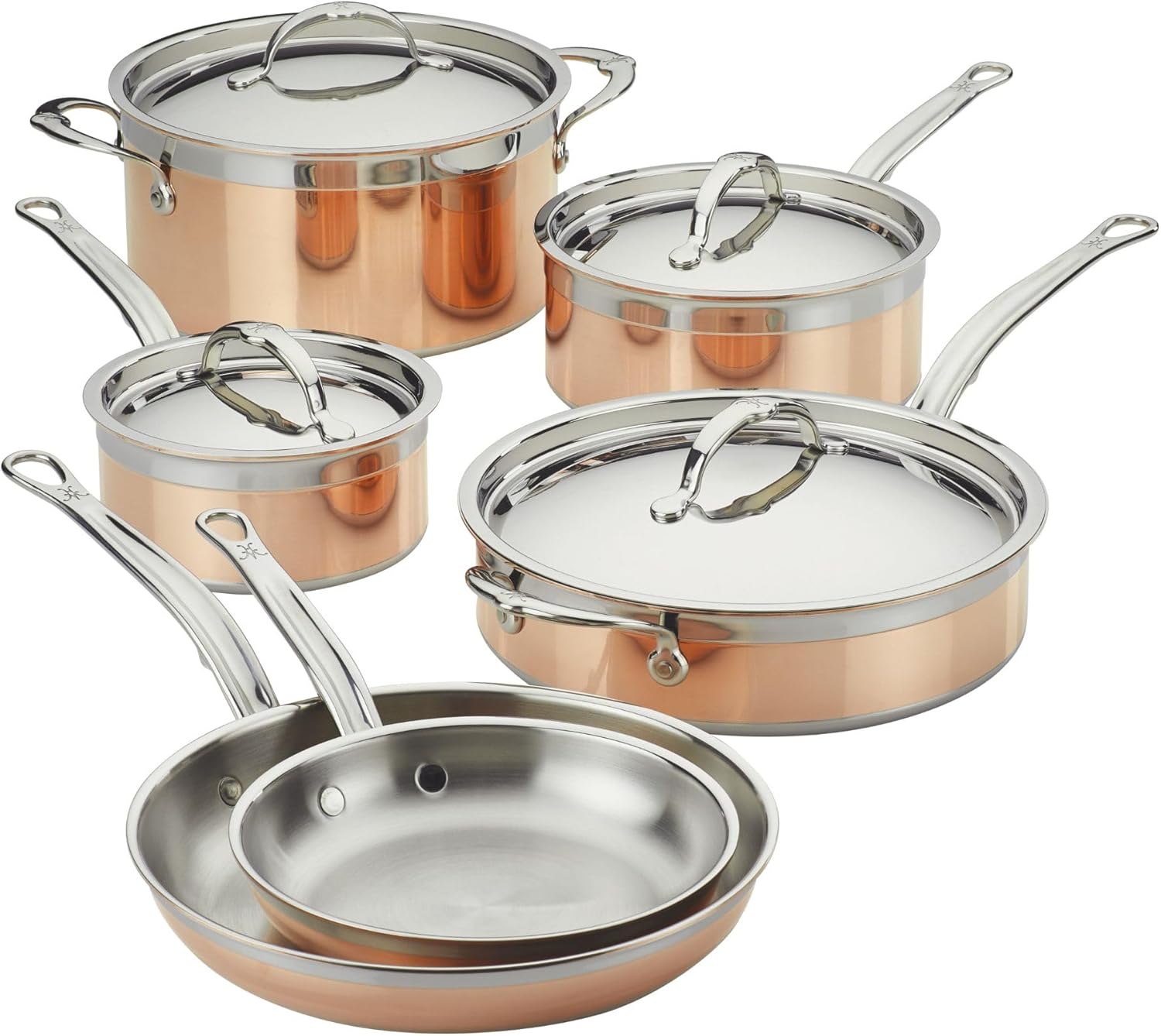
Cookware sets vary significantly in overall piece count, ranging from compact starter assortments to expansive multi-piece collections. Reviewing the exact items included ensures you acquire essential frying pans, saucepans, a saute pan, and a stockpot that match your regular cooking habits. Having the correct variety prevents you from scrambling for improperly sized vessels during complex meal assembly.
Larger sets frequently include bonus bakeware items or stainless steel steaming inserts, providing extra utility value but demanding significantly more storage space in your kitchen cabinets or drawers. Carefully consider your typical household meal size and available storage dimensions to select a configuration that fulfills your daily culinary needs without cluttering your active workspace.
Comparing Exterior Finishes and Maintenance Needs
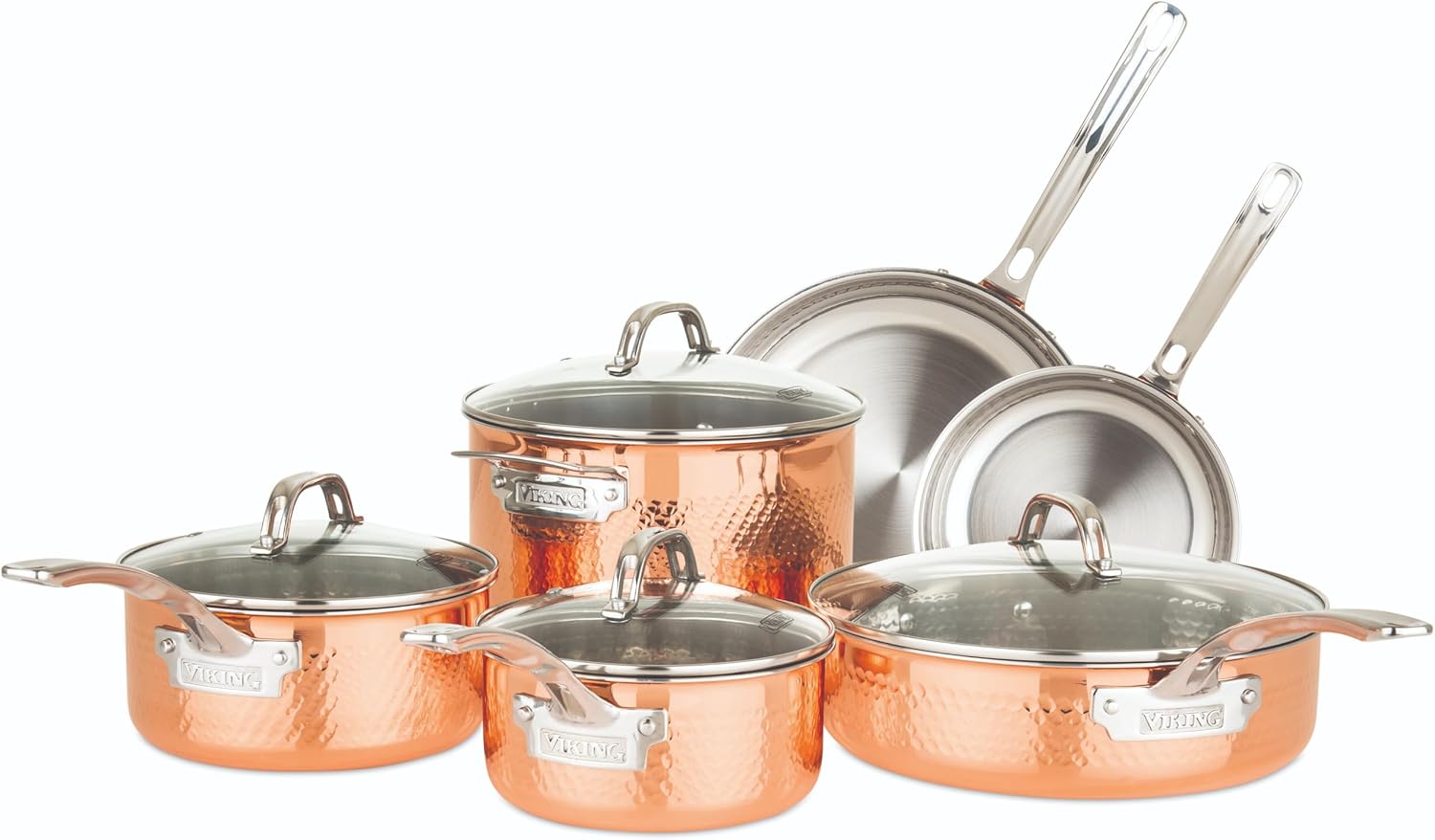
The exterior finish of your cookware heavily influences both kitchen aesthetics and routine cleaning procedures after every prepared meal. Traditional hammered copper and mirror-polished copper surfaces offer striking visual appeal for hosting guests and family dinners, but they frequently require dedicated hand washing with soft cloths to preserve their polished exterior luster over extended periods of regular use.
Conversely, modern ceramic nonstick finishes provide easier food release and dishwasher-safe cleaning convenience, significantly reducing manual effort at the kitchen sink. Carefully balance your personal preference for traditional metallic elegance or low-maintenance ceramic coatings against your household willingness to perform regular manual upkeep after cooking delicious daily family meals.
Checking Handle Design and Lid Features
Ergonomics and lid construction play an essential role in determining how comfortable your cookware feels during daily kitchen preparation tasks. Look for ergonomically molded handles that offer a secure, confident grip, with some advanced product designs incorporating special heat dissipation details or flush rivets to simplify interior cleaning and cabinet stacking ability.
Lids manufactured from durable tempered glass or polished metal help seal in essential moisture and flavor while you visually monitor food cooking progress on the stove. Vented glass lids actively prevent messy boil-overs during aggressive boiling or simmering tasks, making your kitchen cooking sessions much more manageable, cleaner, and efficient for every home chef.
Factoring in Oven Safety and Temperature Limits
Many favorite family recipes require moving a skillet or saucepan directly from the household stovetop into a hot oven to finish complex braising, roasting, or baking tasks. Checking the maximum temperature rating is an absolute necessity before placing any cookware into high-heat oven environments to avoid damaging handles, nonstick coatings, or construction materials over time.
While certain all-metal sets and stainless steel lids handle extreme temperatures up to six hundred degrees Fahrenheit, companion glass lids frequently feature lower heat thresholds around four hundred degrees. Matching these precise manufacturer specifications to your favorite baking recipes ensures safe, versatile performance across diverse daily culinary tasks in your busy kitchen workspace.
Frequently asked questions
Can copper cookware be used on induction cooktops?
Stovetop compatibility varies significantly depending on the specific product collection and its core construction materials. While traditional solid copper or copper-plated sets lacking magnetic bases will not function on induction surfaces, newer advanced collections specifically incorporate magnetic outer layers or wrap-around stainless steel bases designed for full induction efficiency. Always carefully check the official manufacturer specifications and compatibility guidelines before purchasing if you rely on an induction cooktop for your daily meal preparation at home.
Is hand washing required for copper cookware?
Maintenance requirements depend entirely on the exterior finish and protective coatings of the specific set. Many traditional hammered copper and polished copper sets explicitly recommend hand washing with soft cloths to preserve their exterior appearance and prevent cosmetic wear over time. Conversely, certain ceramic nonstick sets feature dishwasher-safe construction for easier cleanup at the sink after dinner. Reviewing the product care instructions ensures you select a maintenance routine that matches your household preferences.
Can copper cookware go into the oven?
Many pots and pans included in these collections offer robust oven safety, handling high temperatures up to six hundred degrees Fahrenheit for searing, braising, or baking tasks. However, accompanying lids often feature lower temperature thresholds, frequently around four hundred degrees due to glass or handle components. Always verify the maximum temperature limits for both the pans and the lids before transferring your cookware from the stovetop into a heated oven.
What is the advantage of a multi-ply copper construction?
Multi-ply construction combines the rapid heat conductivity of a copper or aluminum core with the durability and nonreactive nature of a stainless steel interior surface. This design allows heat to spread evenly from edge to edge across the cooking surface, helping eliminate hot spots that can burn food during frying or simmering tasks. It provides precise temperature control for delicate sauces while offering a durable cooking vessel that accommodates standard kitchen utensils.
What should I consider when choosing a cookware set size?
Selecting the right set size involves evaluating your typical household meal portions, available cabinet storage space, and the specific types of dishes you prepare most often. Smaller ten-piece sets usually cover essential frying pans, saucepans, and a stockpot, while larger assortments add specialized pans, bakeware, or steamers. Consider your kitchen storage capacity and daily cooking habits to ensure the configuration meets your practical needs without overcrowding your active workspace.