Appliances · Buying Guide
Best Rated Grill Pan Options for Indoor Searing and Stovetop Cooking
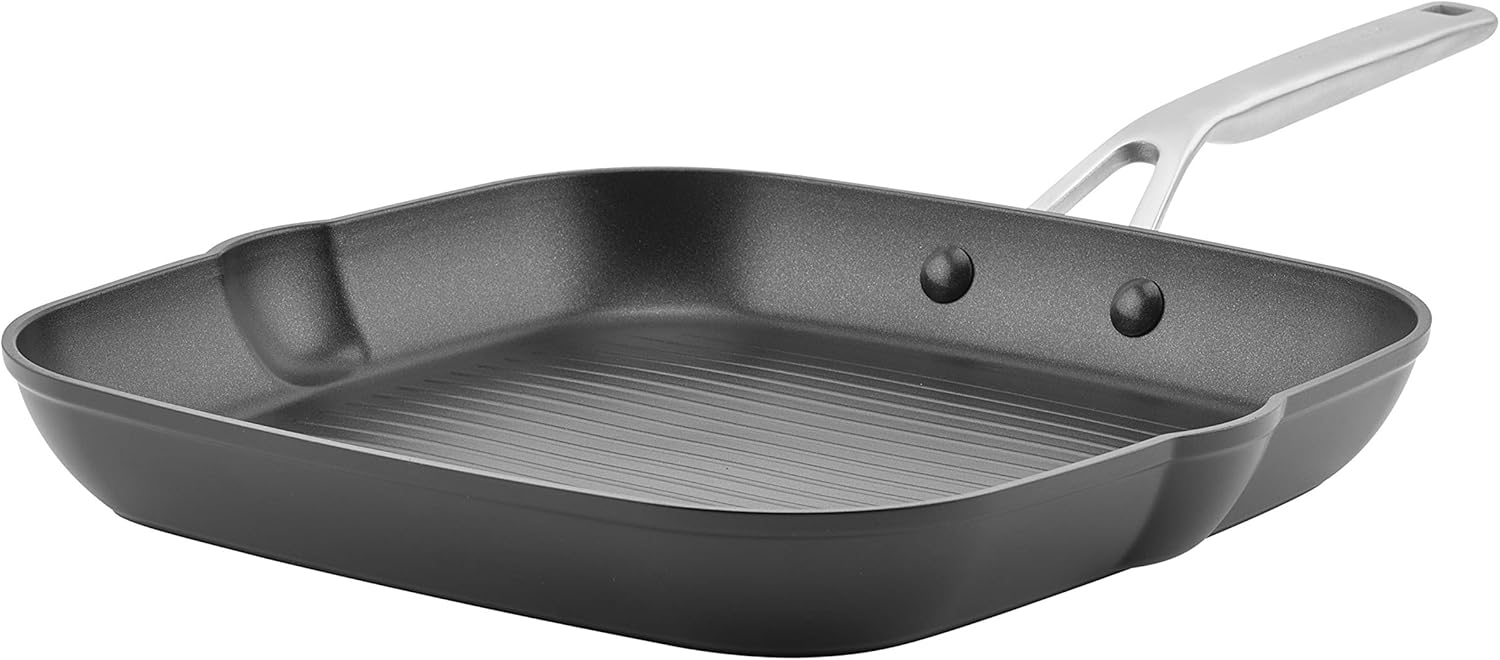
Finding a reliable tool to achieve steakhouse-style sears and grill marks inside your kitchen requires evaluating materials like heavy cast iron, hard anodized aluminum, and die-cast metals. Selecting the right model depends heavily on your specific stovetop type, preferred cleanup routine, and how much cooking surface you require for preparing daily meals efficiently.
Different constructions offer distinct advantages, ranging from the long-term heat retention of traditional seasoned iron to the quick, even distribution provided by modern nonstick aluminum surfaces. Reviewing these distinct product designs helps clarify which stovetop companion best matches your household cooking habits without relying on guesswork or complex maintenance routines.
As an Amazon Associate, StacyLaughs earns from qualifying purchases.
Buying guide
Material Selection
Choosing the right material dictates how a grill pan manages heat and withstands daily kitchen wear. Traditional cast iron delivers unmatched heat retention and classic performance for high-heat steakhouse searing. Cast aluminum options heat up quickly and spread warmth evenly across the entire cooking surface. Hard anodized aluminum variants add extra structural durability against warping under intense temperatures.
Matching the metal composition to your routine cooking style ensures long-term kitchen satisfaction. Consider whether you prefer lightweight handling for fast meals or heavy-duty heat retention for thick cuts of meat. Each construction provides distinct benefits for indoor stovetops, ovens, and outdoor grilling applications without requiring complicated guesswork or specialized accessories.
Cooktop Compatibility
Verifying cooktop compatibility prevents purchasing a pan that cannot transfer heat properly on your specific kitchen stove. Traditional gas and electric coil ranges generally accommodate all pan material types. Induction cooktops specifically require magnetic bases, such as embedded stainless steel plates or seasoned cast iron. Smooth glass surfaces demand flat, stable bottoms to prevent scratching the glass.
Always check manufacturer specifications regarding your exact kitchen range before finalizing a product selection. Selecting an incompatible model results in frustrating cold spots or complete heating failure. Ensuring proper alignment between your new cookware and your household cooktop guarantees efficient, reliable meal preparation during every single cooking session without unexpected surprises.
Coating and Food Release
Nonstick coatings simplify food release and reduce the need for excessive oil during routine daily cooking tasks. Modern options range from Swiss ILAG layers and reinforced PTFE surfaces to traditional seasoned iron finishes. Each unique coating type requires specific cleaning practices to maintain its smooth performance over time without premature degradation.
Avoiding abrasive metal scouring pads helps preserve delicate nonstick layers on aluminum pans. Bare cast iron requires regular oil seasoning maintenance instead of chemical coatings to build natural nonstick properties. Understanding these distinct care requirements helps protect your cookware investment and ensures effortless cleanup after preparing sticky foods like cheese or sugary marinades.
Surface Area and Depth
Pan dimensions dictate how much food you can comfortably prepare in a single indoor cooking session. Smaller 9.5-inch models fit compact stovetop burners and tight kitchen storage spaces easily. Larger 11-inch or 12-inch options accommodate multiple chicken breasts or thick steaks simultaneously. Sidewall depth also plays an important role in managing grease splatters.
Taller sidewalls help contain oil splatters when searing fatty meats indoors on standard stovetops. Flatter, low-wall designs allow much easier flipping with spatulas and tongs without hitting high barriers. Balancing your typical meal batch size with available kitchen cabinet storage space leads to the most practical everyday choice for your household.
Handle Design and Comfort
Handle construction heavily influences safety and maneuverability while cooking with heavy stovetop cookware. Stainless steel handles offer secure, double-riveted attachments that withstand high oven temperatures without degradation. Bakelite handles stay cool to the touch on active stovetops but cannot enter hot ovens. Cast iron handles provide seamless, indestructible durability across open flames.
Consider your typical cooking methods when evaluating handle materials and thermal limits. If you frequently transfer pans into the hot oven to finish cooking dishes, an oven-safe metal handle is essential. Choosing the right grip style prevents hand fatigue and awkward tilting during extended meal preparation sessions in busy kitchens.
Maintenance and Cleanup
Cleanup routines vary significantly based on the pan coating and underlying metal construction. Many modern aluminum nonstick models feature dishwasher-safe designs for quick post-meal washing in busy households. Cast iron and seasoned pans require careful hand washing and immediate towel drying to prevent rust and moisture damage over time.
Following specific manufacturer guidelines keeps your cookware performing at its best over years of regular household use. Avoiding harsh steel wool or abrasive scouring pads on coated surfaces prevents premature scratching and coating failure. Proper maintenance routines ensure your grill pan remains a reliable kitchen staple for preparing flavorful meals day after day without complications.
Frequently asked questions
How do I prevent food from sticking to a grill pan?
Preventing food from sticking depends largely on your pan's surface coating and cooking preparation. For nonstick aluminum models, using minimal oil and medium heat prevents residue buildup. For cast iron pans, maintaining a well-seasoned oil layer creates a natural nonstick barrier. Always preheat your pan properly before adding ingredients, and avoid using sharp metal utensils that can scratch coated surfaces. Cleaning the pan thoroughly after every use also prevents leftover grease from carbonizing during subsequent cooking sessions, ensuring smooth food release every time.
Can I use a metal grill pan on an induction cooktop?
Induction cooktops require cookware with a magnetic base to generate heat effectively. Many aluminum grill pans feature bonded stainless steel plates on the bottom to ensure full induction compatibility. However, models made from standard aluminum or traditional bare cast iron without a compatible base will not function on induction ranges. Always check the manufacturer compatibility specifications before purchasing to verify whether a particular grill pan works with your specific household cooktop technology to avoid heating failures.
What is the best way to clean a cast iron grill pan?
Cleaning a cast iron grill pan requires hand washing with warm water rather than soaking it in the sink or placing it in the dishwasher. You can use a stiff nylon brush to scrub away stubborn food particles trapped in the ridges. Avoid harsh detergents and metal scouring pads that strip away the seasoning. After washing, dry the pan completely with a towel and place it on a warm burner briefly to evaporate remaining moisture before applying a thin coat of oil.
Why do grill pans have raised ridges on the bottom?
Raised ridges serve two primary functions during indoor stovetop cooking. First, they elevate meats and vegetables above resting juices and rendered fats, creating authentic steakhouse-style sear marks on the surface of your food. Second, the channels between the ribs allow excess fats and liquids to drain away from the cooking area, reducing smoke production and preventing your ingredients from boiling in their own grease. This design bridges the gap between outdoor grilling and indoor stovetop preparation.
Are nonstick grill pans safe to use in the oven?
Oven safety depends entirely on the specific materials used in the pan construction, particularly the handle and coating types. Models featuring stainless steel handles and hard anodized aluminum bodies often tolerate high oven temperatures safely. Conversely, pans equipped with plastic or bakelite handles cannot enter hot ovens because high heat will melt or damage those components. Always review the manufacturer temperature limits and specifications before transferring any stovetop grill pan into an oven environment.