Appliances · Buying Guide
Best Round Cast Iron Grill Pan for Searing Steaks and Veggies
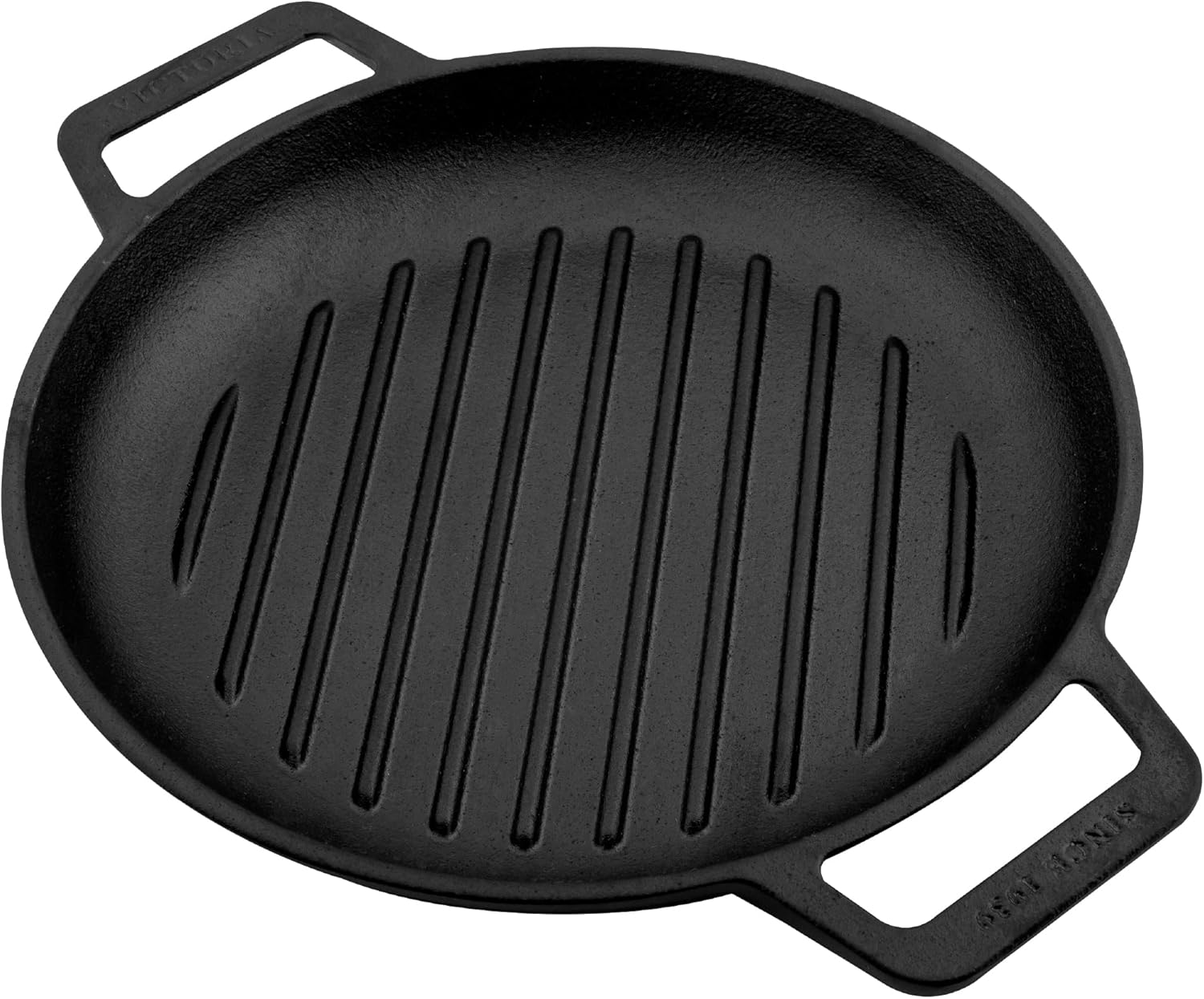
Choosing a reliable round cast iron grill pan can completely transform your home cooking experience by adding professional sear marks and rich flavors to your favorite meats and vegetables. These heavy-duty kitchen workhorses excel at retaining intense heat, making them dependable tools for high-temperature stovetop searing, oven baking, or outdoor campfire cooking.
Whether you prefer traditional pre-seasoned iron that builds a natural non-stick surface over time or modern enameled finishes that skip seasoning steps entirely, options vary significantly in weight, handle configurations, and overall diameter. Understanding these specific structural features helps you select the right cookware to match your everyday recipes, cooktop types, and kitchen setup.
As an Amazon Associate, StacyLaughs earns from qualifying purchases.
Buying guide
Material and Construction Quality
Evaluating the material composition of a round cast iron grill pan ensures you select a tool capable of withstanding high temperatures and heavy daily use. Traditional cast iron offers exceptional heat retention, allowing your cookware to stay hot even when cold food is added to the surface. This property guarantees consistent cooking temperatures across the entire base.
Enameled alternatives provide similar thermal benefits while coating the metal in a protective glass-like layer. This finish removes the requirement for traditional oil seasoning routines. Buyers should weigh whether they prefer raw iron that builds natural non-stick properties over time or enameled surfaces that prioritize straightforward cleaning without complex maintenance steps.
Seasoning Requirements and Care
Understanding seasoning needs is vital for maintaining the lifespan and cooking performance of your cast iron cookware. Pre-treated pans arrive coated in vegetable or flaxseed oils, providing an initial protective barrier against moisture. However, maintaining this natural non-stick surface requires diligent hand washing, thorough drying, and occasional light oiling after every single use to prevent rust formation.
Enameled grill pans bypass this routine entirely, featuring factory-baked matte surfaces that resist food sticking without requiring polymerized oil layers. While enameled options save significant time on daily maintenance, they require gentle utensil choices to avoid surface scratching. Buyers must decide if they enjoy traditional seasoning upkeep or prefer a lower-maintenance enameled coating.
Size and Cooking Capacity
Choosing the correct pan diameter directly influences how many ingredients you can prepare in a single cooking session without overcrowding the cooking surface. Smaller ten-inch models work wonderfully for single portions, compact stovetops, and quick weeknight meals. Larger twelve-inch variants provide ample space for multiple steaks, thick vegetable cuts, and family-sized batches.
Beyond diameter, internal liquid capacity and ridge height dictate how much grease and liquid the pan can manage safely during intense searing. High ridges keep food elevated above rendered fats, while adequate side spouts facilitate clean pouring. Assess your typical household portion sizes and burner dimensions to find a balance between cooking space and storage convenience.
Handle Design and Ergonomics
Handle configuration plays a massive role in safety and maneuverability, especially given the substantial weight of cast iron cookware. Traditional long handles offer quick single-handed control for tilting or shifting the pan on burners. Dual loop handles distribute weight symmetrically, giving you a balanced grip when lifting heavy loads with both hands from the oven.
When wearing thick oven mitts, larger loop spaces prevent accidental slips and awkward wrist angles. Some manufacturers include silicone handle accessories for added thermal protection and secure transport from stove to table. Review your kitchen storage and lifting habits to determine whether a traditional single handle or stable dual loops better suit your daily routine.
Heat Source Compatibility
Ensuring compatibility with your specific stovetop prevents frustrating cooking delays and uneven heat distribution across the base. Most cast iron grill pans function seamlessly across gas, electric, and ceramic hobs. Smooth surface induction cooktops require flat, magnetically responsive bottoms to heat efficiently, making specification verification essential before completing your purchase.
Oven safety is another critical factor for cooks who want to transition meals directly from burners to hot baking environments. Many pans handle high oven temperatures safely, though maximum heat limits vary by manufacturer and handle materials. Always verify temperature thresholds if you plan to finish thick cuts or bakes inside an enclosed oven cavity.
Weight and Portability
Cast iron is inherently heavy, and grill pans often range from three to over seven pounds depending on their diameter and wall thickness. Lighter pans offer easier maneuverability during washing and serving, making them accessible for everyday use. Heavier models provide superior thermal mass for intense searing, though they require mindful two-handed lifting routines.
If you plan to take your grill pan outdoors for camping trips or backyard barbecues, portability becomes an essential consideration for travel. A balanced weight distribution and sturdy handles make outdoor transport significantly safer on open campfires. Weigh your desire for heavy-duty heat retention against your comfort level when lifting heavy iron cookware daily.
Frequently asked questions
How do I clean a traditional cast iron grill pan without ruining the seasoning?
Cleaning a traditional cast iron grill pan requires careful attention to protect the polymerized oil seasoning. Always wash the pan by hand using warm water and a stiff brush or scraper, avoiding harsh dish soaps that can strip the protective layer. Never submerge a hot cast iron pan in ice-cold water because thermal shock can crack the metal. After washing, dry the pan completely with a towel and place it on a warm burner to evaporate moisture before rubbing a thin cooking oil layer across the surface.
Can I use metal utensils on an enameled cast iron grill pan?
Using metal utensils on an enameled cast iron grill pan is strongly discouraged because metal tools can easily scratch, chip, or dull the smooth matte enamel finish over time. Unlike raw cast iron where surface scratches can be easily re-seasoned, damage to enameled coatings is permanent and can expose the underlying iron to moisture and rust. To preserve your enameled grill pan's cooking surface for years of dependable use, switch to wooden, silicone, or heat-resistant plastic utensils whenever you flip steaks, vegetables, or delicate foods inside the skillet.
Do I need to season an enameled cast iron grill pan before my first use?
You do not need to season an enameled cast iron grill pan before your first use because the factory applies a baked-on matte enamel finish that seals the raw iron completely. This specialized glass-based coating creates a smooth, protective barrier that prevents food from sticking and eliminates the traditional seasoning steps required for raw iron cookware. Simply wash the enameled pan with warm soapy water, dry it thoroughly, and start cooking immediately without spending time building up polymerized oil layers or worrying about initial seasoning procedures.
Why do cast iron grill pans feature raised ridges on the cooking surface?
Cast iron grill pans feature prominent raised ridges designed to replicate authentic outdoor barbecue sear marks on meats and vegetables while serving a practical culinary purpose. These elevated ridges lift your ingredients safely out of rendered fats and melting oils as they cook, reducing overall fat intake during meal preparation. Additionally, the channels between the ridges collect drippings and allow steam to escape freely around your food, preventing ingredients from boiling in their own juices and helping achieve a crisp texture.
Are round cast iron grill pans compatible with induction cooktops?
Many round cast iron grill pans are fully compatible with induction cooktops because cast iron is a naturally magnetic material that interacts efficiently with magnetic induction coils. However, compatibility depends entirely on the specific manufacturer design and whether the bottom of the pan is completely flat and smooth to maintain proper contact with the glass cooktop surface. You should always review the manufacturer specifications and hob compatibility guidelines before purchasing to ensure your chosen grill pan will heat correctly on your specific smooth surface induction stove.