Appliances · Buying Guide
Best ruffoni cookware on sale options for your kitchen
Shopping for high-end kitchenware often leads home cooking enthusiasts to look for premium materials like copper and multi-ply stainless steel similar to ruffoni cookware on sale events. Finding the right pots and pans requires balancing aesthetic exterior appeal with practical cooking performance across everyday stovetop tasks and varied heat sources in the home kitchen.
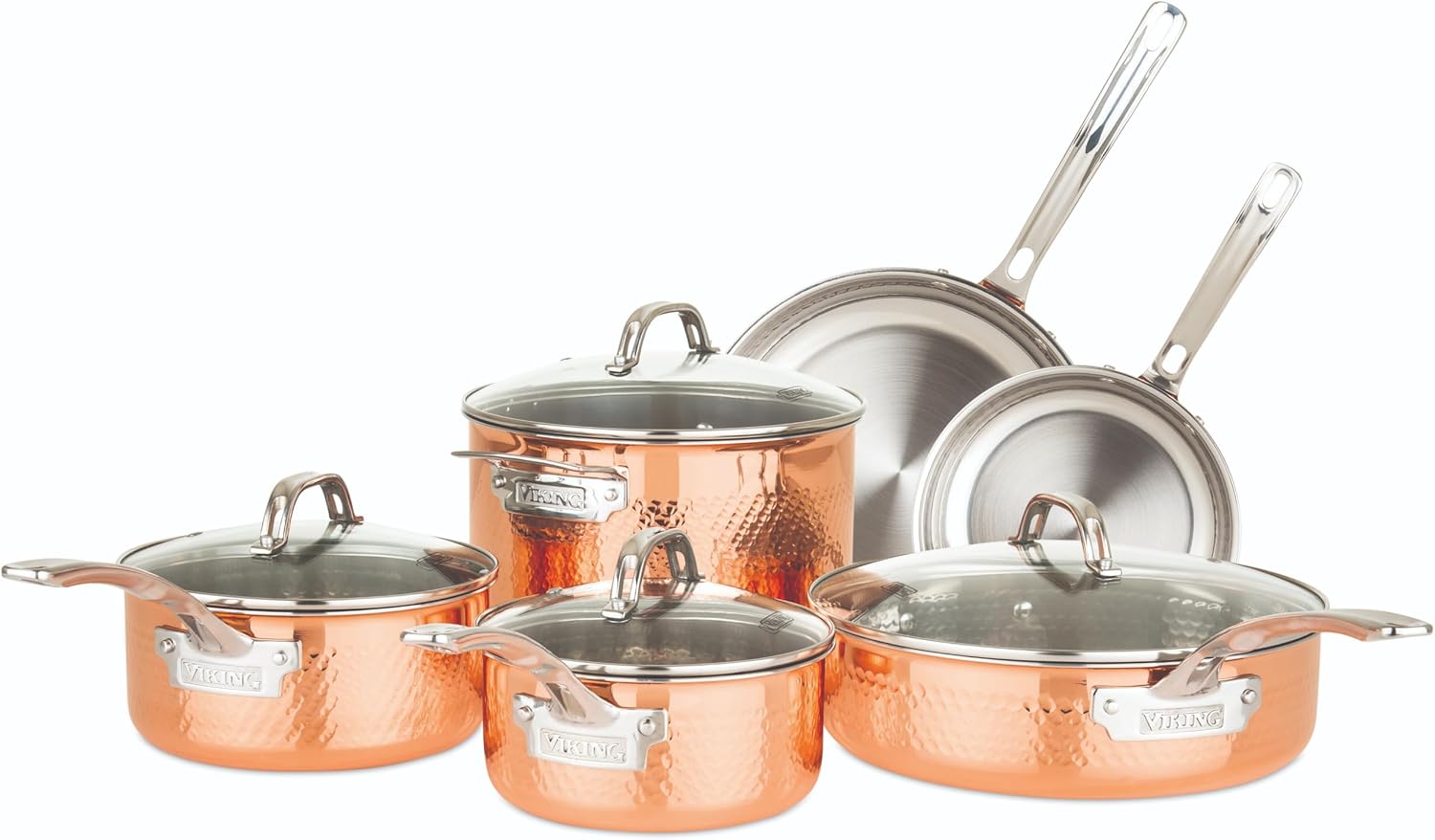
This overview examines distinct cookware options featuring multi-layer construction, hammered finishes, and diverse capacities suited for various recipes, roasting, and baking needs. By carefully understanding the core attributes of each selected set or single pot, you can choose kitchen tools that match your specific cooking methods and upkeep preferences without relying on unsupported claims or marketing exaggeration.
As an Amazon Associate, StacyLaughs earns from qualifying purchases.
Buying guide
Evaluating Cookware Materials and Heat Distribution
Selecting the right cookware material is crucial for achieving consistent cooking results across different recipes. Materials like copper offer exceptional thermal conductivity, heating up quickly and responding rapidly to temperature adjustments on the stovetop. Stainless steel provides superior durability and corrosion resistance, making it a reliable choice for everyday meals without reacting to acidic ingredients.
Multi-ply construction often combines these metals, sandwiching an aluminum or copper core between stainless steel layers. This design captures the fast heating of conductive metals while retaining the tough exterior of steel. Evaluating your primary cooking style helps determine whether you need rapid thermal response or long-term structural durability from your pots and pans.
Understanding Stovetop and Oven Compatibility
Modern kitchens feature various cooktop types, including gas, electric, ceramic, and induction surfaces. Ensuring your chosen cookware matches your specific heat source is essential for proper functionality. Induction cooktops, for instance, require a magnetic base layer to generate heat effectively, meaning traditional non-magnetic copper pots may not function without a compatible steel plate or base.
Oven safety is another critical factor for dishes that transition from stovetop searing to roasting. Checking the maximum temperature ratings for both the pot body and its lid prevents accidental damage. Glass lids often have lower temperature limits than metal pots, requiring careful monitoring during high-heat culinary tasks.
Assessing Capacity and Vessel Shape
The volume and physical dimensions of pots and pans dictate what types of meals you can prepare efficiently in your home kitchen. Large stock pots exceeding six quarts are ideal for boiling pasta, simmering large batches of soup, or preparing homemade stocks for family gatherings. Having adequate vertical room prevents liquid overflow during aggressive rolling boils and bubbling sauces.
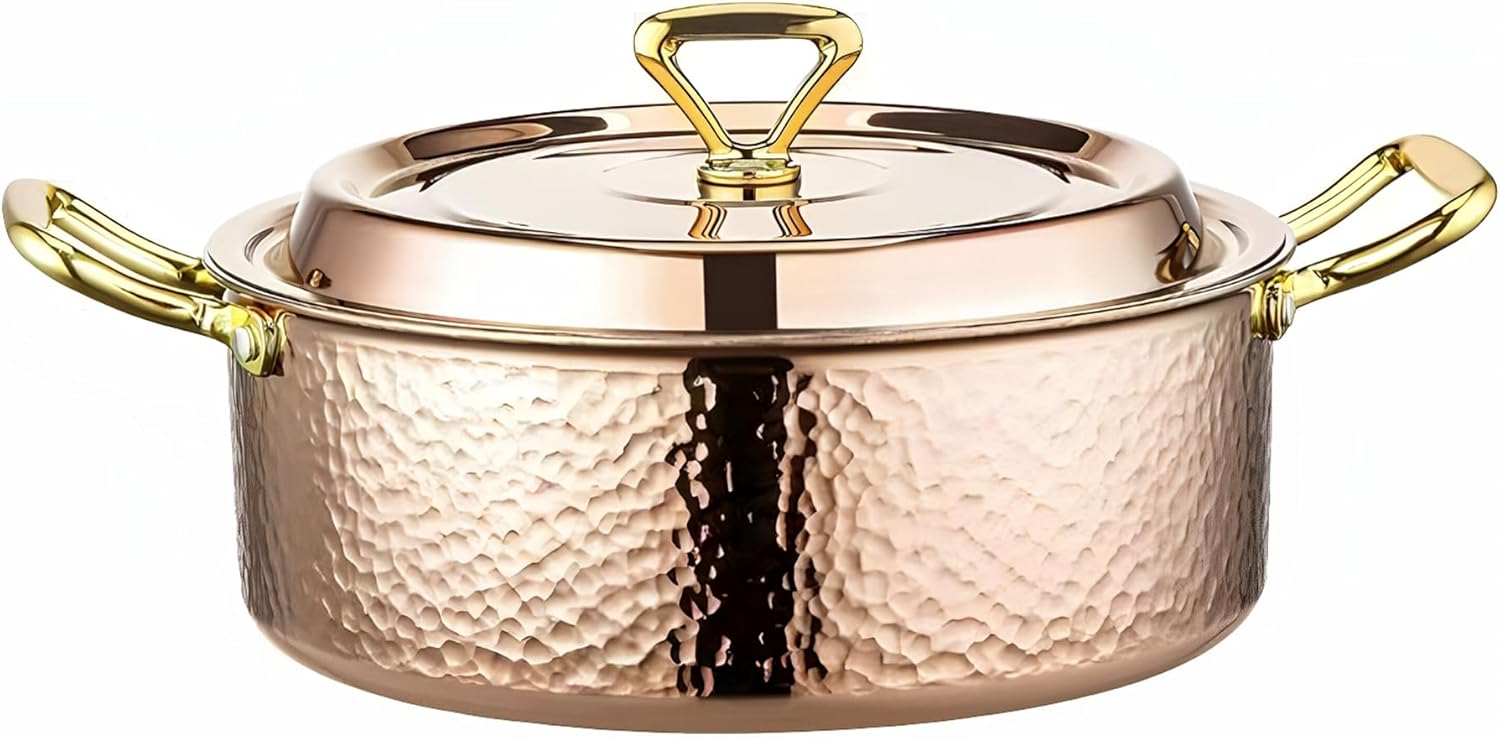
Conversely, shallow wide vessels like rondeaus provide an expansive surface area for browning meats and braising ingredients evenly across the base. Matching the capacity to your typical household size prevents overcrowding ingredients or struggling with oversized vessels on compact stovetop burners, ensuring better heat contact and moisture reduction during simmering tasks.
Handle Design and Ergonomic Control
Ergonomics play a significant role in kitchen safety and comfort, especially when lifting heavy pots filled with water or food. Securely fastened handles, whether made of stainless steel, iron, or brass, provide a reliable grip during transport from the stove to the counter. Look for stay-cool handle designs if you prefer handling pots without protective mitts during standard stovetop cooking.
Side ring handles on traditional Dutch ovens offer alternative gripping angles that assist with safe two-handed lifting when the vessel is full. Evaluating how handles are attached, such as through sturdy stainless steel rivets, ensures long-term structural stability and prevents loosening over years of frequent use and maintenance routines.
Lid Types and Moisture Retention
Lids serve a vital function in retaining heat, moisture, and flavor during braising, simmering, and boiling processes. Tight-fitting lids minimize steam escape, helping foods cook evenly and keeping natural juices locked inside the pot. Vented glass lids offer an added advantage by allowing you to monitor cooking progress without lifting the cover, while releasing excess pressure to prevent boil-overs.
Metal or brass lids often provide superior oven heat resistance compared to glass alternatives, making them ideal for high-temperature roasting applications. Consider whether you prefer seeing your food cook through transparent glass or utilizing the robust durability of solid metal covers during your daily kitchen meal preparation.
Maintenance and Cleaning Requirements
Proper maintenance extends the lifespan of your cookware and preserves its exterior finish over time. While many stainless steel and multi-ply pots feature dishwasher-safe construction for effortless cleanup, copper and specialized tin-lined vessels frequently require careful hand washing to prevent tarnishing and surface degradation. Understanding these upkeep demands before purchasing prevents unexpected maintenance burdens.
Polishing exterior copper finishes or drying stainless steel surfaces promptly helps eliminate water spots and fingerprints after washing. Following manufacturer guidelines regarding cleaning agents and soft sponges ensures your kitchen investment remains attractive and functional for years of daily cooking enjoyment in your home kitchen.
Frequently asked questions
Can copper cookware be used on modern induction cooktops?
Traditional pure copper cookware typically lacks the magnetic properties required to activate induction cooktops directly. However, many modern copper-clad sets incorporate an internal stainless steel or magnetic base layer specifically engineered to bridge this gap. If you use induction surfaces in your kitchen, always verify whether the specific product description or manufacturer specifications explicitly state induction compatibility before making your purchasing decision to ensure proper stovetop performance and rapid heating.
What are the benefits of multi-ply stainless steel cookware?
Multi-ply stainless steel cookware combines multiple layers of metals, typically sandwiching an aluminum or copper core between durable stainless steel outer sheets. This layered design distributes heat evenly across the entire cooking surface, eliminating hot spots that can burn food during cooking. The stainless steel exterior offers excellent corrosion resistance and long-lasting durability, while the inner metal core provides rapid, responsive thermal control. It represents a practical choice for everyday searing, sautéing, and boiling tasks.
Are hammered copper pots and pans dishwasher safe?
Most hammered copper pots and pans require manual hand washing rather than automated dishwasher cleaning. Dishwasher detergents and harsh wash cycles can tarnish, discolor, or strip the polished exterior copper finish over time. While some multi-layer pots with copper exteriors feature manufacturer approvals for dishwashing, delicate pure copper or tin-lined variants strictly require gentle hand cleaning with mild soap and soft sponges to preserve their appearance, structural integrity, and cooking surfaces.
How do I choose between a full cookware set and a single pot?
Choosing between a full cookware collection and a single specialized pot depends heavily on your current kitchen inventory and cooking habits. A comprehensive set provides varied sizes of frying pans, saucepans, and stock pots to handle diverse meal preparation tasks. Conversely, a single pot like a Dutch oven or rondeau is ideal if you want to focus on specific techniques such as braising, slow cooking, or baking without acquiring unnecessary extra pieces.
Why do some pots feature internal measurement markings?
Internal measurement markings stamped or etched inside pots and pans serve as a practical dosing aid during cooking. These lines allow home cooks to measure liquids, stocks, and broths directly inside the vessel without needing a separate measuring cup. This convenient feature streamlines recipe preparation, reduces dish cleanup, and helps you monitor liquid reduction accurately as sauces simmer and thicken on the stovetop during daily meal preparation routines.