Appliances · Buying Guide
Best Seasoned Cast Iron Cookware for Every Kitchen Setup
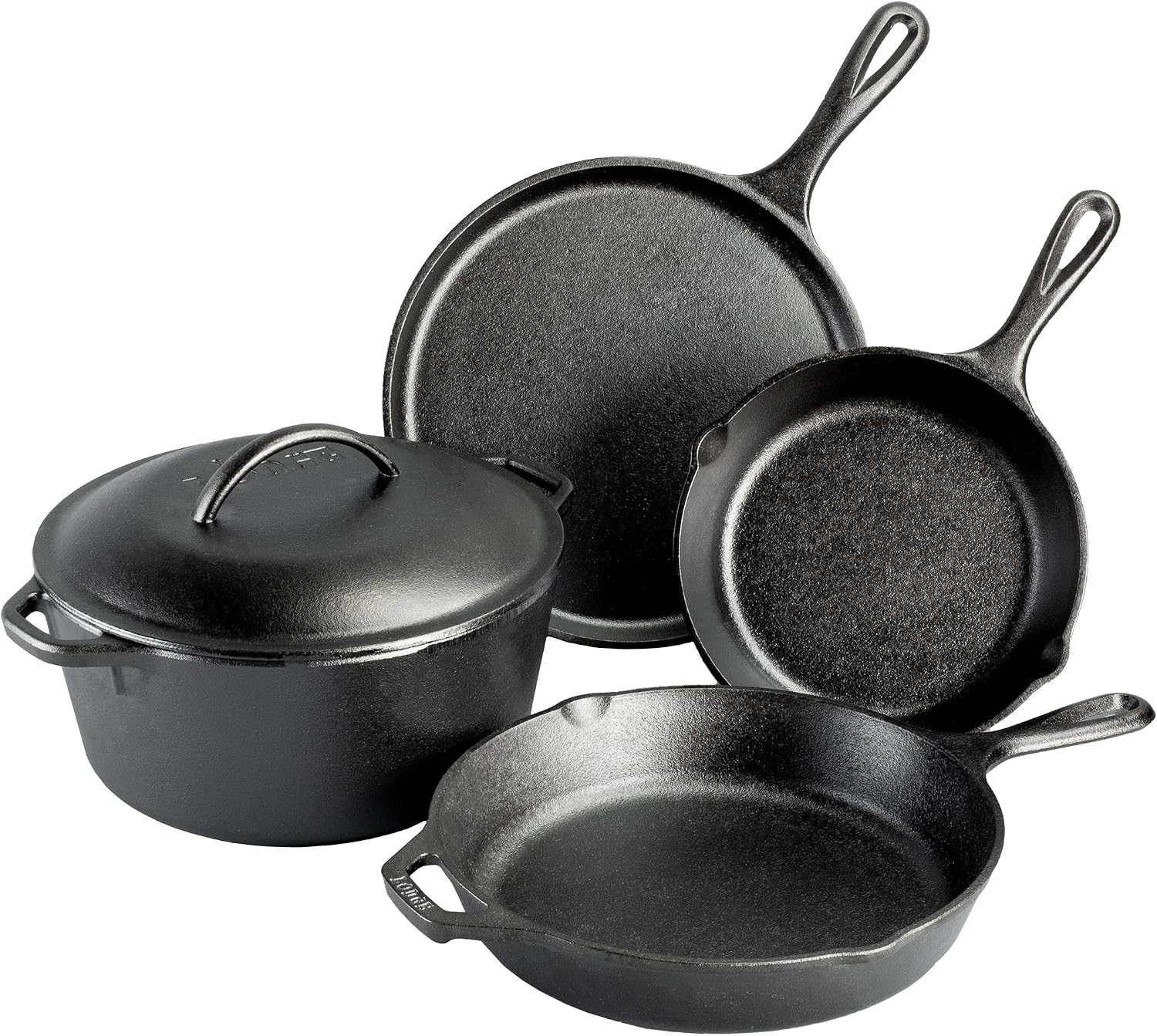
Seasoned cast iron cookware brings reliable heat retention and versatile performance to everyday cooking tasks. Whether you are searing meats on a stovetop, baking bread inside a hot oven, or cooking over an outdoor campfire, these traditional iron and oil surfaces deliver dependable results.
Choosing the right set or individual pan depends on your specific recipe needs, storage space, and preferred cooking methods. Manufacturers prepare these items using natural oils, ensuring they arrive ready for immediate use while continuing to build a non-stick finish over time.
As an Amazon Associate, StacyLaughs earns from qualifying purchases.
Buying guide
Surface Texture and Seasoning
Seasoned cast iron cookware relies on baked-on natural oil layers to create a protective, non-stick cooking surface for daily meals. Traditional pans feature a slightly textured matte finish, while premium manufacturing methods offer meticulously machined smooth surfaces. Both styles require regular seasoning maintenance with natural vegetable oils to preserve their protective coating against moisture and sticky foods.
Choosing between textured and smooth surfaces depends heavily on your personal cooking preferences, frying habits, and kitchen cleaning routines. Textured iron holds seasoning very securely, whereas smooth options offer effortless food release for delicate items like eggs and pancakes. Proper maintenance ensures whichever surface you select will perform reliably over many years of daily use.
Sizing and Capacity Considerations
Selecting the correct pan size and capacity ensures your cookware matches your typical household meal portions. Smaller eight-inch skillets excel at frying single eggs or reheating small sides, while twelve-inch pans handle family-sized batches of meat and vegetables. Five-quart dutch ovens provide the necessary depth and volume for baking artisan bread, simmering hearty soups, and roasting whole chickens.
Evaluating your storage space is equally important when choosing larger multi-piece sets or deep pots. Heavy iron cookware requires sturdy cabinets or dedicated racks capable of supporting substantial weight. Matching your actual cooking volume to the appropriate pan dimensions prevents clutter while ensuring you always have enough room for your favorite recipes.
Heat Retention and Distribution
Cast iron is renowned for its exceptional heat retention capabilities, allowing pans to maintain steady cooking temperatures across various heat sources. Once heated properly, these thick metal walls distribute thermal energy evenly to reduce cold spots during searing. This thermal mass makes cast iron ideal for achieving professional-level crusts on steaks and maintaining heat during heavy frying tasks.
Understanding how cast iron manages heat helps you optimize your stovetop settings and preheating routines. Because the material holds temperature so effectively, medium heat settings are usually sufficient for most cooking applications. Allowing the pan to preheat thoroughly before adding food prevents sticking and ensures uniform results across induction, gas, and electric cooktops.
Handle Design and Ergonomics
Handle construction plays a crucial role in safely maneuvering heavy iron cookware around a busy kitchen. Traditional designs feature solid iron helper handles or teardrop grips that integrate seamlessly with the main body. Modern variations sometimes incorporate extended stay-cool properties or removable silicone grips to enhance comfort during prolonged stovetop cooking sessions.
Because cast iron conducts heat rapidly, handles can become extremely hot during extended baking and frying tasks. Always evaluate whether a pan features helper loops or extended grips to assist with safe lifting and transport. Using proper thermal protection ensures you can move heavy meals from hot burners to the dinner table without safety hazards.
Versatility Across Heat Sources
One of the greatest advantages of seasoned cast iron cookware is its incredible versatility across multiple cooking environments. Most standard skillets and dutch ovens transition effortlessly from indoor gas or induction stovetops directly into hot ovens. Many models also withstand high outdoor temperatures, making them suitable for charcoal grills and open campfires.
Checking compatibility specifications ensures your chosen cookware matches your specific kitchen appliance setup. While traditional iron works reliably on gas and induction surfaces, verifying maximum temperature limits is essential for high-heat oven baking. This broad compatibility allows you to execute diverse culinary techniques using a single durable piece of equipment.
Cleaning and Maintenance Routines
Maintaining seasoned cast iron requires simple hand-washing routines rather than automated dishwasher cycles. Washing pans in warm water using mild methods and non-abrasive scrapers preserves the baked-on oil seasoning. Thoroughly drying the iron on a warm burner immediately after washing prevents unwanted moisture accumulation and subsequent surface rust formation.
Applying a very thin coat of natural oil after drying helps maintain the protective non-stick seasoning layer over time. Regular care keeps the cooking surface smooth and prevents food from sticking during future meal preparation. Adhering to these straightforward maintenance steps ensures your cast iron cookware remains durable and functional for generations.
Frequently asked questions
Can I use seasoned cast iron cookware on induction stovetops?
Yes, seasoned cast iron cookware is naturally compatible with smooth surface induction cooktops because iron is a magnetic metal. The thick base absorbs magnetic energy efficiently, transferring steady heat directly into the cooking surface. When using iron on induction glass, it is important to place the pan down gently and avoid sliding it aggressively across the glass top to prevent scratches. Following these basic precautions allows you to enjoy fast and even heating across all modern induction kitchen ranges without any operational issues.
How do I clean my cast iron skillet after cooking sticky foods?
Cleaning cast iron after cooking sticky foods involves hand washing the pan in warm water without harsh chemical detergents. For stubborn food residue, you can use a gentle pan scraper or a stiff nylon brush to lift stuck particles without damaging the seasoning layer. Never soak cast iron in water or place it inside an automatic dishwasher. After washing, dry the pan completely on a warm burner and apply a very thin layer of natural oil to protect the metal surface.
Do I need to re-season my cast iron pan after every single use?
You do not need to perform a full oven seasoning process after every single meal. Applying a full seasoning layer involving high-heat baking with oil is typically reserved for restoring bare iron or building initial non-stick properties. For daily upkeep, simply wiping the clean, dry pan with a microscopic film of vegetable oil is entirely sufficient. This quick maintenance routine preserves the existing seasoning, prevents moisture damage, and keeps the cooking surface naturally non-stick for your next baking or frying adventure.
What is the best way to prevent food from sticking to cast iron?
Preventing food from sticking to cast iron requires proper preheating and adequate oil usage. Always allow your skillet to warm up gradually over medium heat for several minutes before adding butter, oil, or food ingredients. Adding a small amount of cooking oil to the hot surface creates a reliable barrier between the food and the iron. Additionally, ensuring your food is properly thawed and dry before it touches the pan will significantly reduce sticking and make turning or flipping much easier.
Are cast iron pans safe to use inside high-temperature ovens?
Most seasoned cast iron cookware is exceptionally well-suited for high-temperature oven baking, roasting, and bread making. Because solid iron contains no synthetic non-stick coatings that degrade under intense heat, skillets and dutch ovens can withstand very high temperatures safely. However, you should always verify the specific temperature limits of your cookware, especially if the model includes attached silicone handle covers or specialized lids. Removing any detachable silicone accessories before placing the pan into a hot oven ensures safe and damage-free operation.