Appliances · Buying Guide
Best Skillet For Gas Stove: Choosing Multi-Size Sets Versus Single Pans
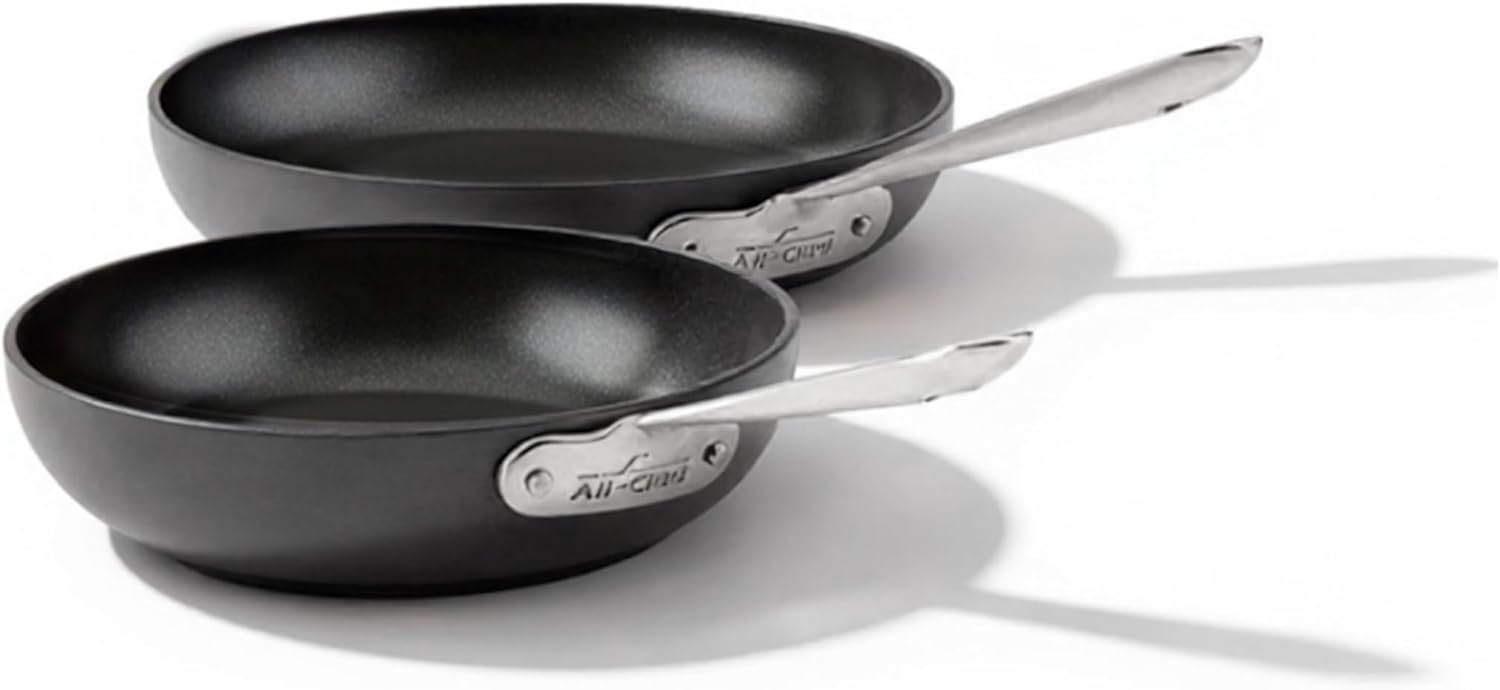
Finding the right skillet for a gas stove involves matching material construction and pan dimensions to your daily cooking habits. Gas burners deliver direct, adjustable flames, making responsive heat distribution an important factor when searing proteins or simmering delicate sauces. Whether you require a multi-piece set for versatile meal preparation or a single deep pan with a lid, understanding design variations helps narrow your kitchen equipment choices.
Different cookware surfaces, from hard anodized aluminum to pure titanium and multi-ply metals, interact uniquely with stovetop heat. Evaluating features like handle materials, included lids, and overall pan capacity ensures you select cookware that accommodates your household portion sizes. Reviewing specific structural attributes allows you to build a functional kitchen setup tailored specifically to gas burner performance.
As an Amazon Associate, StacyLaughs earns from qualifying purchases.
Buying guide
Material Construction for Gas Burners
Gas stoves deliver direct, intense flames that require durable cookware materials capable of handling rapid temperature fluctuations without structural warping. Aluminum and hard anodized variants heat exceptionally quickly and spread warmth evenly across standard burner grates. This responsiveness helps prevent hot spots, ensuring your food cooks uniformly whether you are browning meats or reducing sauces over an open flame.
Advanced tri-ply options combine conductive aluminum cores with stainless steel outer layers to provide balanced thermal performance and lasting sturdiness. Choosing the correct core and exterior construction ensures your skillet responds accurately to immediate flame adjustments during delicate simmering tasks or aggressive high-heat searing. Matching material durability to your cooking style prevents premature wear on busy kitchen stovetops.
Nonstick Coatings Versus Uncoated Surfaces
Selecting between traditional nonstick coatings, granite-infused layers, or pure titanium surfaces depends entirely on your preferred cooking and cleaning routines. Nonstick options require less oil and make flipping delicate foods like eggs effortless. However, they demand careful utensil selection to avoid scratching the delicate top layer over years of daily kitchen use.
Uncoated titanium or multi-ply metallic surfaces eliminate coating wear concerns entirely, allowing metal utensils and high-heat cooking without degradation worries. While they lack slippery release properties for sticky foods, they offer unmatched longevity and straightforward maintenance for frequent users. Weighing coating preferences against your typical recipes helps determine the ideal skillet surface for your gas stove setup.
Pan Sizing and Capacity Considerations
Skillet dimensions dictate portion sizes and determine how comfortably cookware fits onto your gas stove burners and inside storage cabinets. Smaller eight-inch pans excel at single-portion eggs or quick side dishes, whereas ten and twelve-inch models accommodate multi-ingredient stir-fries and family-sized cuts of meat. Matching the diameter to your usual meal volume prevents overcrowding on the burner grates.
Deep-walled skillets and multi-quart sauté pans offer expanded capacity for simmering liquids, braising vegetables, and preparing one-pan dinners without messy spills over the edges. Evaluating both the bottom cooking surface area and overall depth ensures you have sufficient room to stir ingredients comfortably. Proper sizing optimizes heat absorption from circular gas flames across the entire pan base.
Handle Design and Ergonomic Control
Comfortable handle design plays an essential role when maneuvering heavy skillets filled with food across gas stove grates and countertops. Riveted silicone grips and bakelite handles featuring woodgrain styling remain cool to the touch during stovetop cooking sessions, reducing accidental burns. Secure handle construction prevents unwanted shifting when tilting or lifting the pan during active cooking steps.
Helper handles attached to larger deep skillets provide vital secondary support when moving heavy multi-quart loads from burner to countertop or oven. Contoured metallic handles offer secure grips but may conduct heat faster during prolonged cooking periods. Reviewing handle attachment methods and insulation features ensures comfortable everyday operation for home cooks of all experience levels.
Heat Tolerance and Oven Compatibility
Many stovetop recipes require finishing dishes inside a hot oven, making temperature tolerance an important purchasing criterion for gas stove users. Skillets rated for higher oven temperatures allow seamless transitions from burner searing to baking or broiling without needing a secondary dish. Checking maximum heat thresholds prevents warping handles or degrading nonstick coatings during high-heat baking tasks.
Lids included with frying pans often feature lower temperature limits than the pans themselves due to glass or knob construction materials. Understanding these specific limits helps protect your cookware components from thermal shock or accidental melting in enclosed oven spaces. Aligning oven safety specifications with your favorite recipes ensures versatile performance across diverse cooking techniques.
Maintenance and Cleaning Requirements
Cookware maintenance requirements vary significantly between models, influencing how much time you spend cleaning up after family meals. While some skillets tolerate automatic dishwasher cycles for effortless cleanup, many nonstick and coated variants recommend gentle hand washing with mild soap and soft sponges. Following manufacturer care guidelines preserves surface coatings and extends the active lifespan of your kitchen investment.
Rivet-free interior construction eliminates hard-to-reach crevices where food residue and grease typically accumulate during heavy cooking sessions. Smooth surfaces simplify daily wipe-downs with paper towels or warm water rinses. Evaluating cleaning demands alongside your daily schedule helps you select cookware that fits comfortably into your household routine without creating unnecessary upkeep chores.
Frequently asked questions
Can I use metal utensils on nonstick gas stove skillets?
Most manufacturers recommend avoiding metal utensils on traditional nonstick and granite-coated skillet surfaces to prevent scratching, chipping, or wearing away the protective coating over time. Instead, opt for wooden, silicone, or nylon kitchen tools when flipping and stirring food. If you prefer using metal spatulas without worrying about surface damage, consider switching to uncoated pure titanium or multi-ply stainless steel cookware models, which naturally withstand metallic utensils without compromising cooking performance or longevity.
Are all gas stove skillets also compatible with induction cooktops?
No, not all gas stove skillets work on induction cooktops. Induction cooking requires a magnetic base layer to conduct heat properly, meaning aluminum pans with non-magnetic bases will not function on induction ranges. Many modern skillets feature specialized stainless steel induction plates embedded in the bottom to ensure cross-stovetop compatibility, but you should always check the manufacturer specifications before purchasing if you plan to switch between gas and induction cooktops in your kitchen.
How do I prevent food from sticking to an uncoated titanium skillet?
Preventing food from sticking on uncoated titanium surfaces requires proper preheating techniques and adequate cooking oil or butter. Allow the empty pan to warm up over medium heat for a minute or two before adding your cooking fat, ensuring the surface is properly conditioned before introducing proteins or vegetables. Unlike traditional chemical nonstick layers, pure titanium relies on proper oil application and correct temperature control to release delicate foods like eggs or fish smoothly during cooking.
Why do some skillet lids have lower oven temperature limits than the pans?
Tempered glass lids often feature lower maximum temperature limits than their matching metal skillets due to the thermal thresholds of the glass material, silicone vents, or plastic and phenolic knobs. Exceeding these specified glass limits inside a hot oven can cause thermal shock, cracking, or handle degradation. Always check the manufacturer guidelines for both the pan and the lid separately before transferring covered cookware into high-heat baking environments to ensure safe, damage-free operation.
Is hand washing always necessary for nonstick frying pans?
Hand washing is frequently recommended by manufacturers to preserve the lifespan of delicate nonstick and granite coatings. Harsh automatic dishwasher detergents and high-water pressures can degrade nonstick surfaces prematurely, diminishing their smooth food-release qualities. While some hard anodized sets claim dishwasher safety, washing your pans manually with mild soap, warm water, and a soft sponge remains the most effective way to protect the nonstick layer and maintain optimal cooking performance over years of daily kitchen use.