Appliances · Buying Guide
Best Skillets for Electric Stove: Top Picks for Every Kitchen Space
Finding the right cookware for an electric cooktop involves carefully matching your unique cooking habits with the proper heating base and surface materials. Electric stoves require reliable cookware that distributes heat efficiently across the burner, whether you choose a convenient plug-in electric skillet or a traditional stovetop pan designed for consistent daily meal preparation and cooking success.
From compact electric models built for small spaces to versatile stovetop skillets featuring durable nonstick coatings, available options vary widely by capacity, power output, and overall utility. Evaluating your typical meal size, storage constraints, and daily cooking habits helps narrow down the ideal choices for your specific household kitchen setup and lifestyle needs.
As an Amazon Associate, StacyLaughs earns from qualifying purchases.
Buying guide
Choosing the Right Cooking Surface Material
Selecting the correct material for your electric stove skillet impacts how evenly heat transfers from the burner to your food. Cast aluminum bodies are common because they heat up quickly and maintain a lightweight profile compared to heavy cast iron. Many models combine these metal bases with specialized nonstick layers to ensure food releases cleanly without requiring excessive amounts of cooking oil or butter.
When shopping, consider how the base interacts with your specific electric burner. Smooth ceramic cooktops and traditional electric coils benefit from flat, thick magnetic conductive stainless steel bases that maximize surface contact. This direct contact prevents hot spots and ensures your meals cook uniformly across the entire pan bottom, regardless of whether you are frying eggs or searing meats.
Understanding Power and Temperature Control
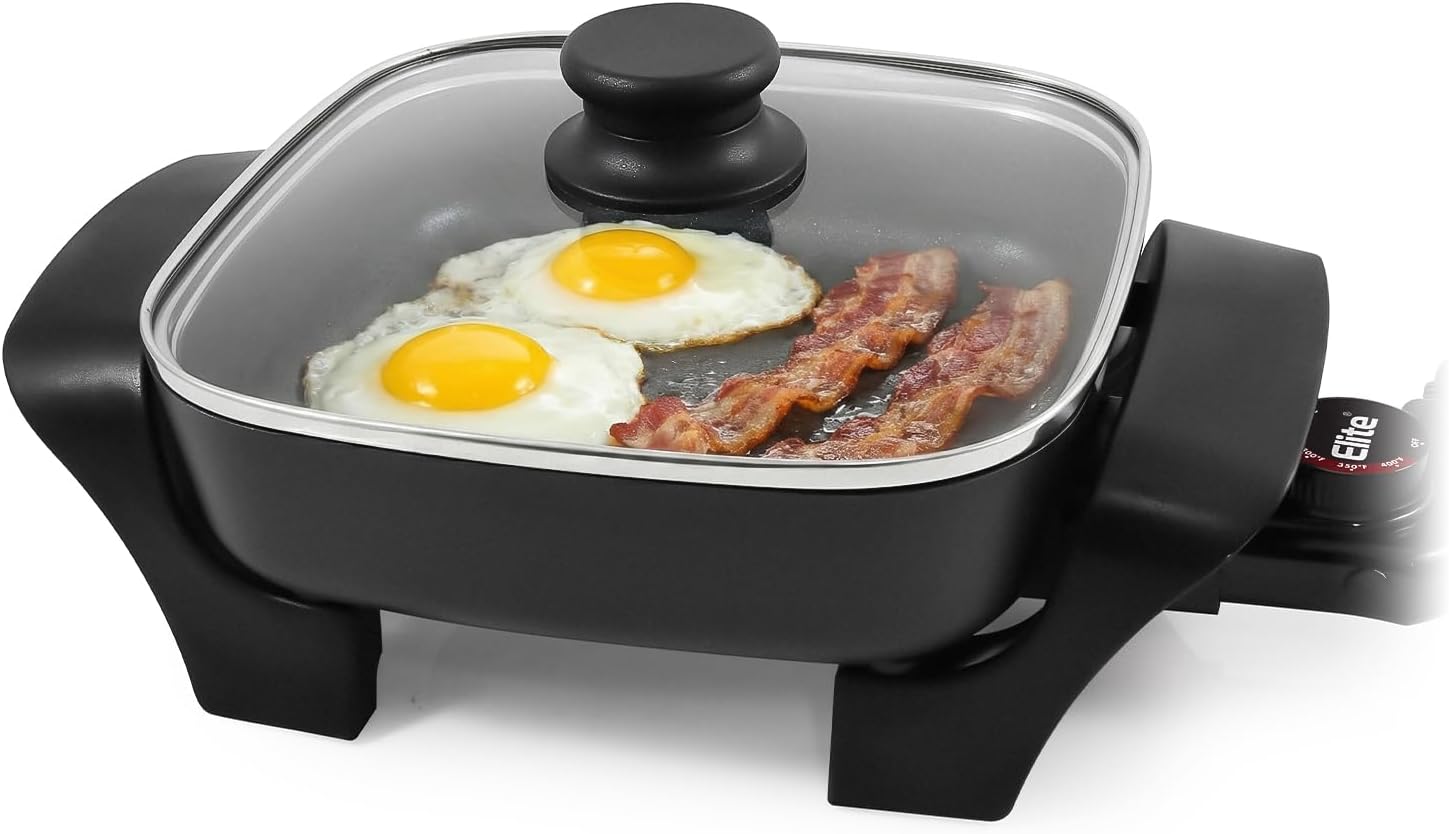
Electric skillets rely on plug-in thermostats with variable temperature dials to regulate heat independently of your stovetop burners. Wattage ratings generally range from 600 watts for compact models up to 1400 watts for extra-large family versions. Higher wattage typically allows the cooking surface to heat up faster and recover temperature quickly when cold ingredients are added to the pan.
Look for thermostats that offer clear temperature increments, ranging from low simmers around 200 degrees Fahrenheit up to high sears at 400 degrees. Indicator lights are helpful features that confirm when the set temperature has been reached. Removable temperature probes also make it much easier to transition your electric skillet directly from the kitchen counter to the dining table for serving.
Sizing Your Skillet for Household Needs
Matching the physical dimensions and capacity of a skillet to your household size prevents daily cooking frustrations. Compact models with 8-inch squares or 2.5-quart capacities work well for individuals, students in dorm rooms, or RV travelers preparing simple single-portion meals. Meanwhile, larger households benefit from 12-inch or 14-inch surfaces holding up to 6 quarts of food for big batches of pasta or chili.
Beyond cooking capacity, remember to measure your available counter space and storage areas before purchasing. Extra-large electric skillets and deep sauté pans require significant clearance during use and storage. Choosing a model with a footprint that matches your kitchen ensures you will use the appliance frequently without struggling to find a secure spot to keep it between meals.
Evaluating Nonstick Coatings and Maintenance
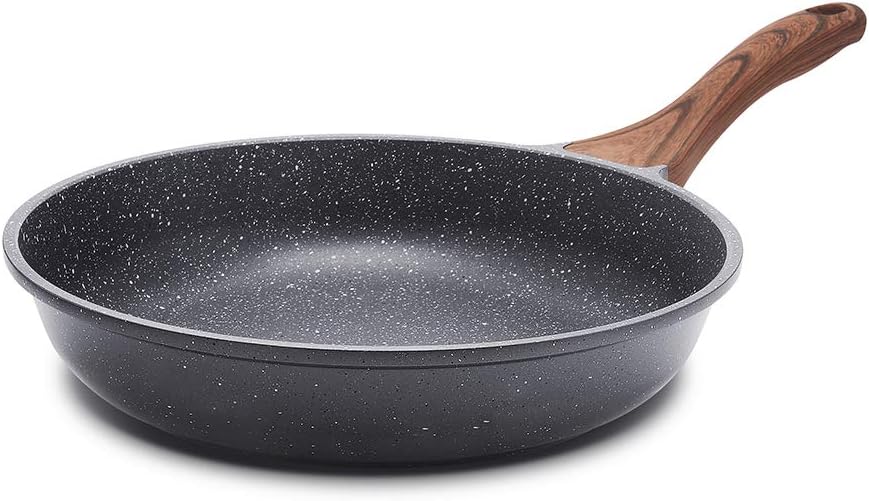
Nonstick coatings greatly simplify cooking and cleaning by preventing eggs, cheese, and sticky sauces from baking onto the surface. Options featuring multi-layer construction or specialized granite and ceramic coatings provide durable food release properties. However, these surfaces require careful handling to maintain their longevity over years of regular use in busy kitchen environments.
Review manufacturer care guidelines before committing to a cleaning routine. Many nonstick skillets require wooden or silicone utensils to avoid scratching the delicate coating during meal preparation. While some models are labeled dishwasher safe, others specify hand washing only to preserve the exterior finish and nonstick effectiveness. Following these maintenance rules protects your investment and ensures consistent cooking performance.
Storage Options and Space Efficiency
Kitchen storage space is often limited, making the physical design of your skillet an important purchasing consideration. Some modern electric skillets incorporate innovative space-saving features like inverted lids and locking clamps that allow you to store the unit securely on its side. This clever design approach frees up valuable cabinet space that would otherwise be occupied by bulky cookware items.
If you lack vertical cabinet clearance, traditional stovetop pans with flat profiles might fit better into your existing cookware stacks or hanging racks. Consider how easily you can remove and store the power cords, glass lids, and detachable probes. Selecting a skillet with thoughtful storage accessories prevents clutter and keeps your kitchen counters organized and ready for action.
Compatibility with Electric Stove Types
Electric stoves come in several configurations, including traditional coil burners, smooth ceramic surfaces, and modern induction cooktops. Stovetop skillets must feature compatible flat magnetic bases if you plan to use them on induction ranges. Checking the manufacturer compatibility guide ensures the pan bottom makes complete contact with the glass or metal heating element for efficient thermal transfer.
Plug-in electric skillets operate independently of your stove burners, making them fantastic options when your cooktop is fully occupied during large holiday meal preparations. These self-contained units provide an extra heating zone without requiring stove burner space. Whether you choose a stovetop pan or an independent electric model, verifying cooktop compatibility guarantees seamless integration into your everyday cooking routine.
Frequently asked questions
Can I use metal utensils on nonstick electric skillets?
Most manufacturers explicitly advise against using metal utensils on nonstick electric skillets and coated pans. Metal spatulas, forks, and spoons can easily scratch, gouge, or wear down the multi-layer non-stick coatings, which ultimately ruins the food release properties of the cooking surface. Instead, you should always rely on wooden, silicone, or heat-resistant plastic utensils when flipping food or stirring ingredients. Protecting the coating from abrasive scratches ensures that your skillet maintains its smooth, easy-release performance throughout years of regular kitchen use and meal preparation sessions.
Are electric skillets dishwasher safe?
Dishwasher safety depends entirely on the specific manufacturer guidelines for each individual model. Many electric skillet bases and tempered glass lids are labeled dishwasher safe once you completely remove the electric temperature control probe. However, certain specialty grill pans and coated skillets require strict hand washing to protect their exterior finishes and specialized nonstick surfaces. You should always check the product manual before loading any skillet into a dishwasher, as hand washing with mild dish soap and a soft sponge is frequently recommended to maximize cookware lifespan.
How do I clean stuck-on food without ruining the nonstick coating?
Cleaning stuck-on food from a nonstick skillet requires a gentle approach to avoid damaging the delicate surface layer. You should never use abrasive steel wool pads, metal scouring brushes, or harsh chemical cleaners, as these will permanently scratch the nonstick coating. Instead, allow the skillet to cool down completely, then soak it in warm, soapy water for a short period to loosen stubborn residue. Wipe the surface clean using a soft sponge, a microfiber cloth, or a paper towel, rinsing thoroughly with clean water before drying with a soft towel.
Can electric skillets be used on induction cooktops?
Plug-in electric skillets plug directly into wall outlets and operate completely independently of your kitchen cooktop, meaning they do not sit on induction burners. However, if you are purchasing a traditional stovetop skillet or grill pan, you must verify that the product features a compatible magnetic stainless steel base. Induction cooktops require magnetic cookware to generate heat through electromagnetic fields. Always check the manufacturer specifications to ensure your chosen stovetop pan is fully compatible with smooth surface induction ranges before cooking.
What is the advantage of a skillet with a built-in lid rest?
A built-in lid rest provides a convenient, designated parking space for your hot glass lid when you need to stir food, check cooking progress, or serve meals. Instead of resting a dripping lid directly on your clean kitchen countertop or cluttering the workspace with an extra spoon holder, the built-in rest catches condensation and food drips safely in one spot. This practical design feature helps keep your cooking area tidy, reduces messy cleanup tasks, and keeps your kitchen counters clean throughout busy meal preparation sessions.