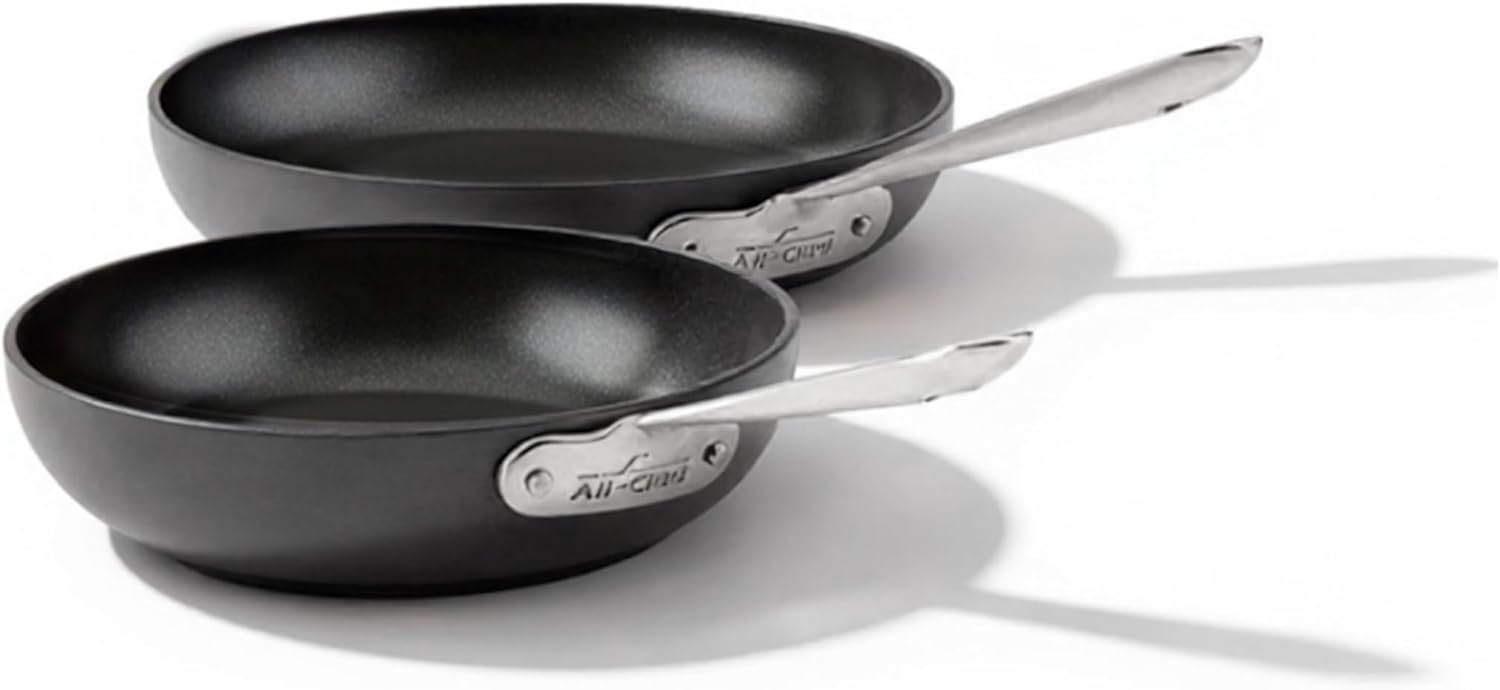
Appliances · Buying Guide
Best Skillets for Gas Stove: Top Cookware Choices for Everyday Cooking
Finding the right cookware for a gas flame requires balanced heat distribution and sturdy construction to handle direct, open burners safely. Gas cooktops provide immediate thermal response, meaning your pans need to manage high heat changes effectively while resisting daily wear and tear over time. Different surface coatings and core materials offer distinct advantages depending on your preferred cooking techniques.
Whether you are searing thick proteins, scrambling delicate morning eggs, or simmering large one-pan family meals, choosing a reliable skillet improves your daily routine. This overview highlights notable fry pan sets and individual pans designed to perform reliably on gas stovetops using various materials, handle styles, and specialized cooking surfaces to match diverse kitchen tasks.
As an Amazon Associate, StacyLaughs earns from qualifying purchases.
Buying guide
Material Construction and Heat Distribution
Selecting the appropriate material for your gas stove skillet is essential for achieving consistent cooking results. Aluminum cores distribute thermal energy quickly across the cooking base, preventing hot spots that can burn food during high-heat searing. Hard anodized options and multi-ply stainless steel configurations offer robust durability against daily warping caused by open gas flames.
When evaluating construction types, consider how often you cook heavy meals. Tri-ply metal designs combine the responsiveness of aluminum with the stability of stainless steel, creating a dependable cooking environment. Matching your stovetop habits with sturdy build quality ensures your cookware withstands frequent thermal shifts without losing structural integrity or flat contact with burner grates.
Surface Coatings and Food Release
Surface coatings dictate how easily food releases from the pan and influence the amount of cooking oil required for daily meals. Traditional non-stick layers allow delicate items like eggs to slide effortlessly, while titanium or hybrid stainless surfaces provide metal-utensil safety without chemical peel risks. Understanding these coating differences helps you match your preferred cooking techniques.
Gas stovetops often generate rapid temperature increases that can degrade sensitive coatings if overheated. Choosing a surface that aligns with your typical heat levels prevents premature wear and maintains smooth food release over years of use. Evaluate whether you prefer chemical-free metal interiors or reinforced non-stick options based on your daily recipe requirements and cleaning preferences.
Handle Design and Ergonomic Comfort
Ergonomic handle design plays a critical role in safe skillet handling, especially when dealing with heavy pans filled with food on active gas burners. Riveted stainless steel handles offer permanent structural attachment, while silicone grips provide a softer, more comfortable hold during long cooking sessions. Helper handles on larger pans also make lifting easier.
Comfort and heat resistance are vital when moving cookware between the stovetop and the oven. Ensure that the handle materials can withstand your intended cooking temperatures without degrading. Selecting a secure, well-balanced handle minimizes wrist strain and enhances overall control when tossing vegetables or transferring heavy meals to serving plates safely.
Lid Inclusion and Moisture Retention
Skillets equipped with matching lids expand your culinary capabilities by enabling steaming, braising, and simmering techniques directly in the same pan. Tempered glass lids let you monitor cooking progress without lifting the cover, locking in heat and moisture efficiently. This feature is particularly useful for one-pan dinners and thorough sauce reduction tasks.
When shopping for gas stove cookware, check whether a lid is included or if you need to source a separate cover. Lids with integrated steam vents help prevent excessive pressure buildup during vigorous simmering. Assessing your typical recipes will clarify whether a lidded skillet set provides the necessary versatility for your daily kitchen routines.
Oven Safety and Thermal Limits
Oven compatibility allows you to start dishes on your gas burner and finish them inside the oven for even roasting or melting cheese. Skillets featuring high temperature thresholds up to five hundred degrees Fahrenheit offer maximum recipe flexibility. Always verify the temperature limits of both the pan body and any attached components or glass lids.
Exceeding specified temperature ratings can damage non-stick coatings or warp metal structures, shortening the lifespan of your cookware. If you frequently bake frittatas or finish steaks in a hot oven, prioritize models with robust thermal limits. Matching oven safety specifications with your cooking style prevents accidental damage during high-heat preparation.
Maintenance and Cleaning Requirements
Proper maintenance preserves the longevity and performance of your gas stove skillets over years of regular use. While many modern pans claim dishwasher safety, hand washing with mild soap and soft sponges often extends the life of non-stick coatings. Understanding manufacturer care guidelines protects your investment against premature wear and surface degradation.
Some specialized surfaces require occasional seasoning or specific oil preheating steps to maintain optimal food release properties. Establishing a consistent cleaning routine prevents stubborn residue buildup from interfering with heat conduction on gas burners. Reviewing care instructions before purchasing ensures you can comfortably manage the required upkeep for your chosen cookware.
Frequently asked questions
Can I use any skillet on a gas stove?
Most modern skillets featuring flat metallic bases are fully compatible with gas stovetops because open flames transfer heat efficiently to aluminum, stainless steel, and cast iron materials. However, you must always check the manufacturer specifications to confirm stovetop compatibility, especially if the cookware features specialized induction bases or delicate exterior treatments. Gas flames wrap around the base edges, so choosing pans with warp-resistant cores helps maintain even contact with your burner grates over extended periods of frequent use.
Are non-stick pans safe for high heat cooking on gas burners?
Traditional non-stick coatings generally require moderate heat settings to prevent surface degradation and preserve the integrity of the coating material over time. Gas burners can generate intense localized heat very quickly, so preheating your pan correctly and using low to medium heat settings is recommended for coated cookware. If you regularly cook at very high temperatures for searing meats, un-coated stainless steel, titanium, or hybrid metal skillets provide better thermal tolerance without risking damage to chemical release layers.
How do I prevent food from sticking to stainless steel or titanium skillets?
Preventing food from sticking on un-coated metal surfaces requires proper preheating techniques and adequate cooking oil before adding ingredients. Heat your empty skillet on a moderate flame for a couple of minutes, add a small amount of oil, and allow it to shimmer before placing food in the pan. This creates a temporary thermal barrier that naturally releases proteins once they develop a proper sear, making cleanup significantly easier after cooking your favorite meals.
Is it better to hand wash or put skillets in the dishwasher?
While numerous cookware options are rated dishwasher safe, hand washing with mild dish soap and a non-abrasive sponge is frequently recommended to extend the lifespan of non-stick surfaces. Aggressive dishwasher detergents and intense spray cycles can dull exterior finishes and degrade specialized coatings prematurely over repeated washings. Hand washing takes only a few moments and ensures your pans maintain their smooth food release properties and visual appeal much longer through daily kitchen use.
Why do some gas stove skillets include a helper handle?
Helper handles provide an extra point of grip opposite the main handle, making it much easier and safer to lift heavy skillets loaded with food. Large twelve-inch pans and deep sauté models accumulate significant weight, so a secondary handle helps distribute the load evenly across both hands. This design feature minimizes wrist strain and improves stability when transferring full pans from active gas burners to countertops, serving areas, or hot kitchen ovens safely.