Appliances · Buying Guide
Best Small Electric Skillet Pan Selections for Compact Spaces
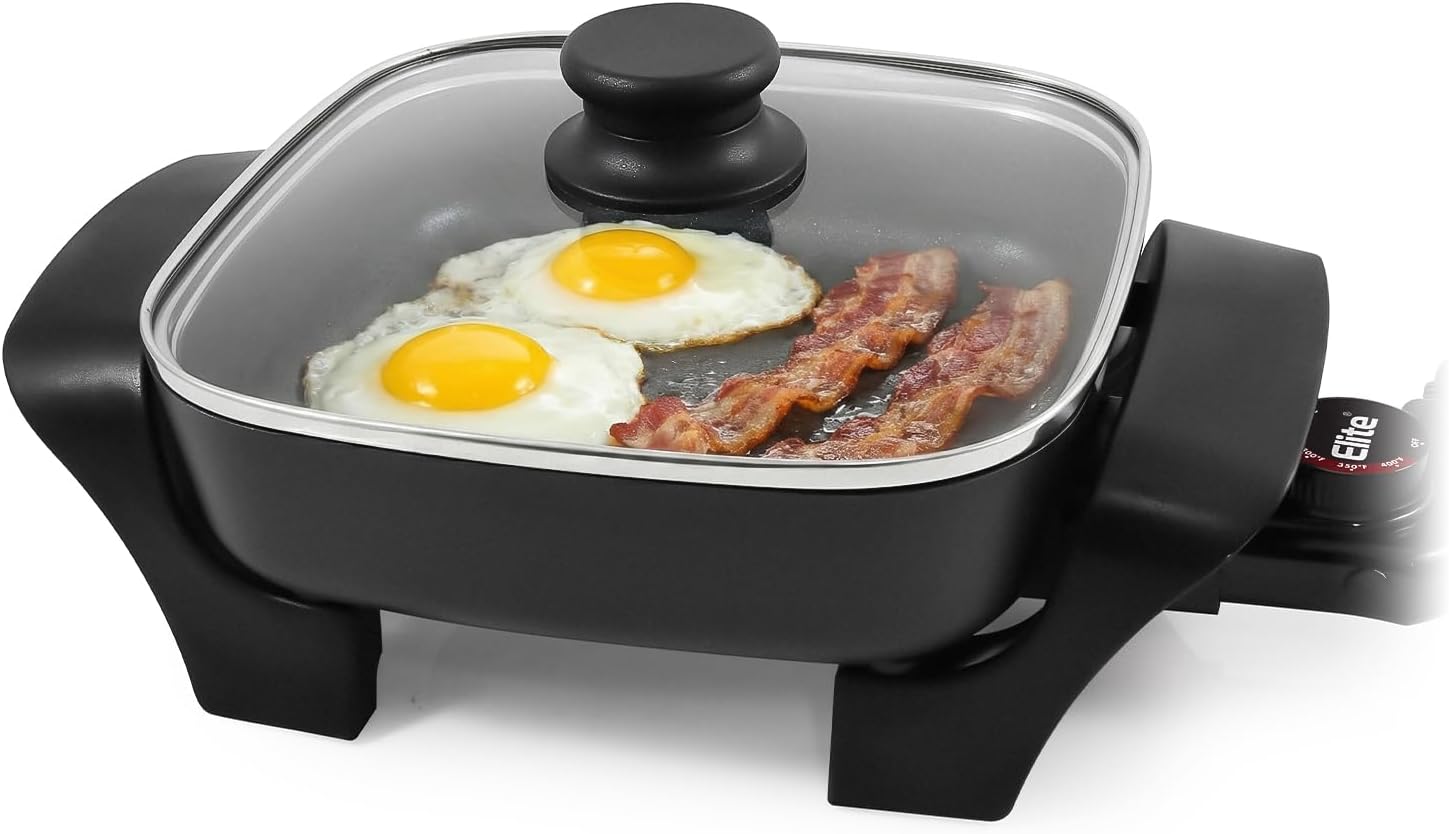
Finding the right cooking equipment for a dorm room, RV, or tiny apartment can be challenging when counter space is strictly limited. A small electric skillet pan offers a compact, plug-in solution for preparing everyday meals without relying on a traditional stovetop range. These versatile appliances range in shape and heating capacity, giving you options tailored to individual portions or quick, single-serve recipes.
Evaluating these compact cookers involves looking closely at their dimensions, surface coatings, and temperature controls. Whether you need a square pan with deep sides for simmering stews or a lightweight round skillet for frying eggs, understanding each model's physical attributes helps you choose the best fit for your daily cooking routine and available storage areas.
As an Amazon Associate, StacyLaughs earns from qualifying purchases.
Buying guide
Dimensions and Storage Footprint
When selecting a small electric skillet pan, evaluating your available counter and cabinet space is an essential first step. Compact models range from five-inch personal cookers to eight-inch square pans, each offering distinct storage requirements. Measuring your storage areas beforehand ensures the appliance fits comfortably without cluttering your kitchen environment or overflowing restricted shelving units in tight spaces.
Removable parts like detachable handles and power cords also influence how easily a skillet packs away after use. Units with collapsible or detachable components tuck neatly into tight dorm cupboards or RV shelves. Consider whether you plan to store the appliance in a stationary kitchen or transport it frequently between different travel locations throughout the year.
Wattage and Power Requirements
Power ratings for small electric skillets typically span from 600 watts up to 900 watts. Higher wattage appliances like 900-watt models generally provide rapid preheating and fast boiling performance for items like ramen, pasta, and quick breakfasts. Assessing your power source limitations, especially in older buildings or RV environments, helps prevent circuit overloads during daily operation.
Lower wattage options operating at 600 watts offer steady heat for everyday frying, simmering, and warming tasks. These units balance energy draw with consistent cooking temperatures, making them highly suitable for restricted electrical setups. Matching the wattage to your intended recipes ensures reliable cooking results without straining local power grids or tripping household breakers.
Cooking Surface Coatings
The interior coating of your electric skillet dictates both cooking performance and everyday cleanup effort. Many compact models feature advanced nonstick or PFAS-free ceramic surfaces that allow food to release easily with minimal oil usage. These smooth linings prevent delicate foods like eggs and pancakes from sticking to the metal base during preparation tasks.
Maintaining these coated interior surfaces requires using appropriate utensils, such as wooden or silicone tools, to prevent unsightly scratches. Ceramic and standard nonstick coatings wipe clean effortlessly with a damp cloth or sponge after the unit cools down completely. Reviewing the manufacturer cleaning guidelines helps preserve the nonstick lifespan across years of regular meal preparation routines.
Temperature Control Dials
Temperature adjustment mechanisms vary widely among compact electric skillets, ranging from simple single-setting dials to multi-setting thermostats. Units with variable temperature dials let you select precise heat levels between 200 degrees and 400 degrees Fahrenheit for searing, sautéing, or simmering. This flexibility accommodates diverse recipes, ranging from gentle warming to active frying tasks throughout the week.
Simpler models feature basic heating indicators that signal when the cooking surface has reached optimal operating temperature. While less granular, these preset options streamline cooking tasks for beginners or anyone seeking straightforward, plug-and-cook operation. Choosing the right control style depends heavily on how much exact temperature precision your daily cooking menu truly requires.
Lid and Handle Designs
The design of lids and handles significantly impacts safety and usability during everyday indoor cooking tasks. Tempered glass lids allow users to monitor food progress without lifting the cover, trapping heat and moisture effectively inside the pan. Cool-touch knobs and handles prevent accidental burns when checking meals or moving the skillet around the kitchen space.
Some models incorporate removable locking handles or secure anti-skid feet to enhance stability and storage convenience. A stable base prevents sliding during countertop stirring, while ergonomic handles ensure a firm grip when carrying the appliance from counter to dining table. Evaluating these structural features ensures comfortable, hazard-free daily use for everyone involved.
Cleaning and Maintenance
Cleaning convenience is a major benefit of modern small electric skillet pans. Many models feature dishwasher-safe components, such as detachable bases and glass lids, once the electrical thermostat probe is safely removed from the housing. For non-dishwasher-safe units, smooth nonstick ceramic surfaces wipe clean easily with a damp sponge and mild dish soap after cooling down completely.
Detachable power cords and removable thermostats make washing the pan much simpler by eliminating awkward dangling wires during cleanup. Following manufacturer maintenance guidelines prevents damage to electrical connectors and prolongs the life of the nonstick coating. Proper upkeep ensures your compact skillet remains reliable for daily meal preparation routines over time.
Frequently asked questions
Can you use metal utensils on these nonstick electric skillets?
Most manufacturers explicitly advise against using metal utensils on nonstick or ceramic electric skillet surfaces. Using metal spatulas or forks can scratch and ruin the protective non-stick coating over time. Instead, you should rely on wooden, silicone, or heat-resistant plastic utensils when flipping food, stirring ingredients, or serving meals directly from the pan. Adhering to these utensil recommendations helps preserve the integrity of the cooking surface and ensures smooth food release for years of regular use.
Are electric skillet parts dishwasher safe?
Dishwasher safety depends entirely on the specific model and whether you remove the electrical components first. Several models allow you to detach the temperature control probe and place both the skillet base and glass lid directly into the dishwasher. However, you must always verify the manufacturer instructions before submerging any part in water. For units lacking dishwasher certification, wiping the interior ceramic or nonstick surface with a damp cloth and mild soap is recommended.
What foods can you cook in a small electric skillet?
A small electric skillet is remarkably versatile and capable of cooking a wide variety of everyday meals. You can fry eggs, bacon, and pancakes for breakfast, prepare grilled cheese or burgers for lunch, and cook stir-fries, one-pot pastas, or simmered meats for dinner. Some compact models even accommodate rapid boiling for ramen noodles or steaming vegetables, making them ideal all-in-one cooking appliances for dorm rooms, offices, and small recreational vehicles.
How do you clean a small electric skillet safely?
Cleaning a small electric skillet safely begins by unplugging the unit and allowing it to cool down completely. Always detach the removable power cord or thermostat probe before washing to prevent water damage to electrical pins. Wash dishwasher-safe parts according to manual instructions, or clean nonstick surfaces using a soft sponge, warm water, and mild dish soap. Avoid abrasive scouring pads that can strip away the protective ceramic or non-stick interior coating.
Can you adjust the temperature on all compact electric skillets?
Temperature adjustment capabilities vary across different compact electric skillet models. Some personal skillets feature an adjustable temperature dial with multiple heat settings ranging from low warmth up to 400 degrees Fahrenheit, giving you precise cooking control. Other models operate on fixed heating presets indicated by preheat lights. Always check the specific product specifications to confirm whether a variable temperature dial or a single preset setting is included before purchasing.