Appliances · Buying Guide
Best Small Electric Skillet With Lid Options For Compact Kitchens
Finding reliable cooking tools for tight spaces requires looking closely at physical dimensions, integrated heating elements, and surface material coatings. Small electric skillets with lids offer independent cooking surfaces that plug directly into standard wall outlets, making them exceptionally practical choices for college dorm rooms, office break rooms, recreational vehicles, and compact apartments lacking traditional range setups.
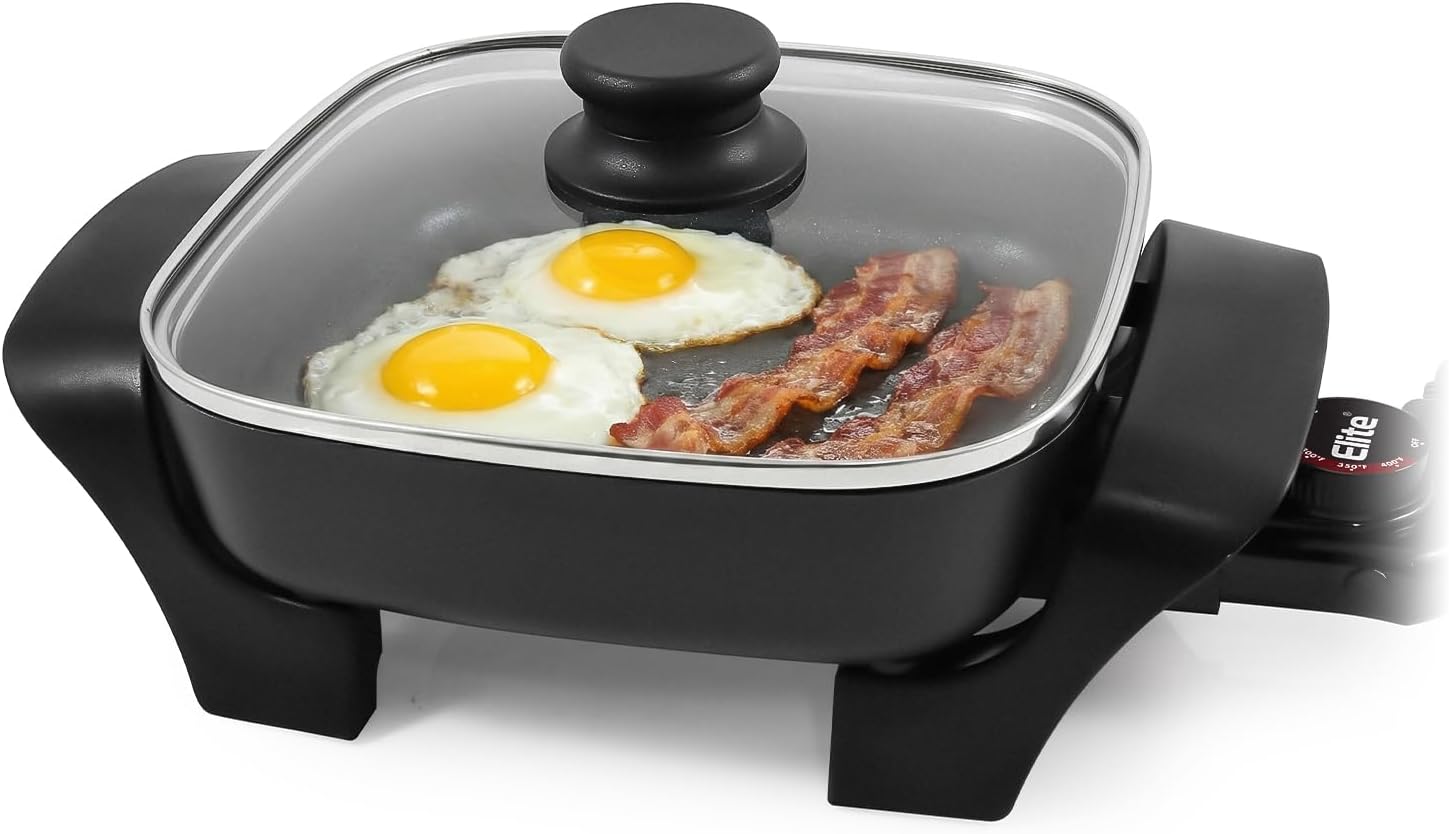
These compact countertop appliances combine internal heating components with specialized non-stick cooking interiors and transparent covers to fry, simmer, or sauté single servings and small-batch meals efficiently. Evaluating various available options based on wattage ratings, square or round pan shapes, and adjustable temperature control dials helps match the right standalone cooker to your specific daily meal preparation routines and limited storage spaces.
As an Amazon Associate, StacyLaughs earns from qualifying purchases.
Buying guide
Choosing the Right Cooking Surface Material
When selecting a small electric skillet, the interior coating material dictates both everyday cooking performance and subsequent cleanup effort. Modern ceramic coatings provide exceptionally smooth, non-stick performance without relying on traditional PFAS chemicals, allowing delicate foods like eggs, thin crêpes, and fluffy pancakes to slide off the cooking surface easily with minimal oil usage during routine breakfast preparation tasks.
Alternatively, multi-layer non-stick metal surfaces offer durable scratch resistance when paired correctly with appropriate wooden or silicone utensils. Evaluating how often you cook sticky ingredients, sugary glazes, or acidic sauces helps determine which specific surface coating aligns best with your daily kitchen maintenance habits and long-term cooking durability expectations.
Evaluating Wattage and Heating Performance
Electrical wattage directly influences how quickly your countertop appliance heats up and maintains steady cooking temperatures during meal preparation routines. Most compact models operate between six hundred and six hundred fifty watts, providing sufficient thermal energy to fry eggs, sear small meat portions, and simmer sauces efficiently on standard residential electrical circuits without wasting excessive household electricity.
Higher wattage levels do not automatically guarantee superior cooking results, but they do noticeably reduce preheating waiting times during busy morning meal rushes. Checking these power specifications carefully ensures the chosen skillet matches your electrical setup without tripping circuit breakers in shared dormitories or older recreational vehicles during daily use.
Understanding Capacity and Footprint Dimensions
Countertop space is often severely limited in small apartment kitchens, college dorm rooms, and office pantries, making physical dimensions a critical purchasing factor. Seven-inch circular skillets offer ultra-compact footprints suited strictly for single-serve portions, whereas eight-inch square models maximize internal cooking surface area for more varied meal recipes and ingredients without expanding the base.
Carefully consider how much counter space you can dedicate to cooking and safely storing the appliance when it is not in active daily use. Deeper vertical walls also expand overall recipe versatility by effectively containing liquid splatters during braising or preparing hearty one-pot meals without taking up excessive horizontal room on crowded kitchen counters.
Temperature Control Options and Precision
Managing heat accurately prevents accidental burning and ensures food cooks evenly from the outer edges to the center of the pan. Removable thermostat probes equipped with clear numerical dials allow you to select specific cooking temperatures ranging from gentle low simmers up to high searing levels depending on the exact recipe requirements and ingredients used.
Simpler appliance models feature basic adjustment knobs without exact degree markings, requiring manual attention and visual observation during cooking sessions. Assess whether you need precise numerical temperature feedback for complex dishes or if a straightforward variable heat dial fully satisfies your everyday casual cooking style and simple morning breakfast routines.
Lid Design and Visibility Benefits
Lids play an essential functional role in retaining heat, trapping natural food moisture, and preventing messy oil splatters during active frying tasks. High-quality tempered glass construction allows you to monitor food cooking progress visually without frequently lifting the glass cover and releasing accumulated steam into your personal kitchen workspace or compact dorm room environment.
Design features like insulated cool-touch knobs and integrated steam vents enhance daily operational safety and usability when managing boiling liquids or simmering sauces. Choosing a model equipped with a transparent lid ensures you can oversee your meal effortlessly while keeping surrounding countertops clean from grease and moisture during everyday meal preparation routines.
Storage, Portability, and Maintenance Ease
Small electric skillets are frequently chosen for their exceptional portability, making features like detachable power cords and removable locking handles highly valuable. These smart design elements greatly simplify carrying the appliance between different locations and tucking the main cooking body securely into tight cabinet storage spaces after it cools down completely after cooking use.
Maintenance routines also vary between dishwasher-safe metal bases and delicate ceramic pans that require gentle hand wiping to preserve interior non-stick surfaces. Assessing how easily a skillet disassembles for cleaning helps ensure long-term convenience, cleanliness, and daily hygiene in restricted living environments like recreational vehicles and small shared office pantries.
Frequently asked questions
Can I wash my small electric skillet in the dishwasher?
Cleaning methods depend entirely on the specific manufacturing design of the model you select. Certain metal electric skillets feature detachable thermostat probes and lacquered bodies that are explicitly designed to be loaded directly into standard home dishwashers alongside the glass lid. Conversely, ceramic coated electric skillets typically require gentle hand wiping with a damp cloth or sponge to protect the delicate non-stick surface over extended periods of regular kitchen use. Always detach the power unit before washing.
What is the difference between 7-inch and 8-inch electric skillets?
The primary difference lies in physical footprint dimensions and overall internal cooking capacity. A seven-inch personal electric skillet is engineered specifically for single-serve meal preparation, making it ideal for cooking a single egg or a small portion of breakfast sausage in tight spaces. In contrast, an eight-inch square or round skillet offers expanded cooking surface area and deeper vertical walls, allowing you to prepare multi-portion one-pot pastas, stir-fries, or braised dishes more comfortably.
Are ceramic non-stick coatings safe to use?
Ceramic non-stick coatings used in these electric skillets are manufactured without PFAS or PFOA chemicals, providing a chemical-conscious cooking surface that allows food to release smoothly with minimal oil. These ceramic interiors support healthier everyday cooking routines while resisting sticking and scorching. However, users should follow manufacturer guidelines regarding utensil selection and cleaning to maintain the integrity of the specialized coating throughout years of regular food preparation tasks.
How do I control the temperature on these electric skillets?
Temperature management varies depending on whether the appliance utilizes a removable thermostat probe or a built-in control dial. Models with removable probes typically feature numerical temperature markings ranging from two hundred to four hundred degrees Fahrenheit for precise heat adjustment. Other compact units use simple variable heat dials that maintain steady operating temperatures for frying or simmering without displaying exact degree measurements, requiring manual visual oversight during cooking.
Can I use metal utensils in these non-stick electric skillets?
You should strictly avoid using metal utensils in these electric skillets because abrasive metal tools can scratch and ruin the delicate multi-layer non-stick or ceramic interior coatings. Manufacturers consistently recommend using wooden, silicone, or heat-resistant plastic utensils to protect the cooking surface during frying, sautéing, or stirring tasks. Proper utensil selection ensures food releases cleanly and prevents permanent damage to the non-stick finish over extended periods of kitchen use.