Appliances · Buying Guide
Best Small Frying Pan with Lid Options for Single Portions and Quick Meals
Finding the right compact cookware can transform how you prepare quick breakfasts or single-serve dinners. A small frying pan with lid brings efficiency to your kitchen by heating rapidly and retaining warmth effectively. Whether you live alone or simply need a dedicated skillet for morning eggs, these compact pans offer manageable sizes that fit neatly onto crowded stovetops without taking up excessive storage space.
Modern small skillets often feature nonstick surfaces and included covers, letting you simmer, fry, or steam with minimal fuss. Choosing the ideal model depends on your specific cooktop compatibility, preferred handle materials, and cleaning routines. Reviewing distinct manufacturer specifications helps ensure you select a practical pan that aligns with your daily cooking habits and kitchen layout.
As an Amazon Associate, StacyLaughs earns from qualifying purchases.
Buying guide
Selecting the Right Size and Capacity
Choosing a small frying pan starts with carefully evaluating your typical portion sizes and daily cooking habits. Models range from tight 6.3-inch diameters designed specifically for single eggs up to 8-inch skillets that handle small omelets or pancakes comfortably. Matching the physical pan diameter to your household size ensures you avoid overcrowding your cooking surface or wasting valuable thermal energy on oversized cookware during quick morning routines.
Capacity also dictates whether you are cooking a solitary snack or preparing side dishes for two people. While compact pans excel at rapid heating for solo meals, verifying interior volume helps you prevent messy boil-overs when simmering sauces, liquids, or tossing vegetables in restricted kitchen spaces. Taking measurements of your burner layout ensures a seamless fit.
Understanding Nonstick Coating Materials
Nonstick coatings determine how easily your food releases and how much oil or butter you need during daily cooking tasks. Many modern compact skillets utilize ceramic or granite-infused surfaces that offer smooth food slide without relying on traditional chemical treatments. These specialized formulations provide reassuring options for health-conscious cooks seeking straightforward food release and simplified cleanup routines after heavy breakfast sessions.
However, different coating types demand specific maintenance approaches to ensure long-term performance. While ceramic and granite layers prevent sticking effectively, they frequently require low-to-medium heat settings and non-metal utensils like silicone or wood to prevent premature surface wear. Reviewing these material traits helps you select a cooking surface that matches your preferred culinary style and existing kitchen tool collection.
Stovetop Compatibility and Base Construction
Ensuring your new small pan works seamlessly with your specific kitchen cooktop is a critical purchasing step that prevents frustrating operational mismatches. While traditional aluminum pans function well on standard gas and electric coil burners, smooth glass and induction cooktops require specialized magnetic stainless steel base inserts or compatible flat bottoms. Checking these specifications carefully prevents compatibility issues before you make a final selection.
Base thickness also directly influences how evenly heat distributes across the entire cooking floor. Thick cast aluminum bases resist thermal warping and help eliminate annoying hot spots, ensuring your morning eggs or pancakes brown uniformly without burning in isolated zones. A sturdy foundation improves overall cooking control and thermal retention across diverse meal preparations.
Handle Design and Heat Resistance
Comfortable handles are essential for safe, confident maneuvering of hot cookware on crowded burners. Many small skillets feature Bakelite, silicone-wrapped, or stainless steel handles designed specifically to stay cool to the touch during standard stovetop use. Selecting an ergonomic grip reduces hand strain when flipping delicate foods or transferring pans to serving plates.
You must also check the maximum temperature limits if you plan to transfer your skillet into an oven for finishing tasks. Handles made of woodgrain-finished plastics or specific composites often feature lower heat thresholds compared to all-metal alternatives, restricting your overall baking or roasting versatility. Matching handle specifications to your intended cooking methods prevents accidental damage.
Lids and Ventilation Features
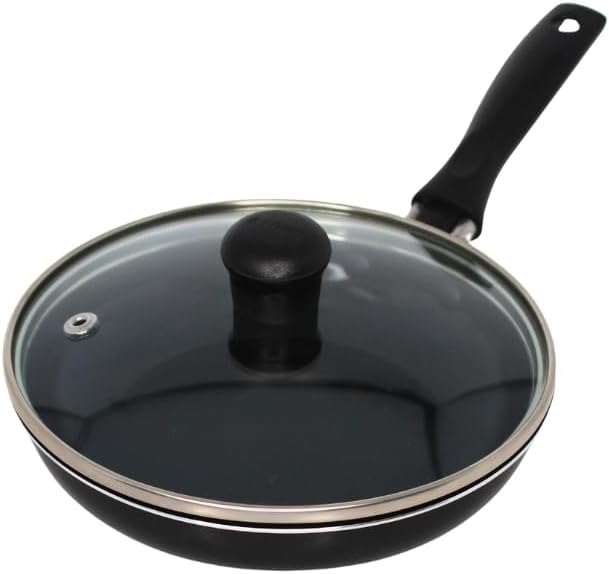
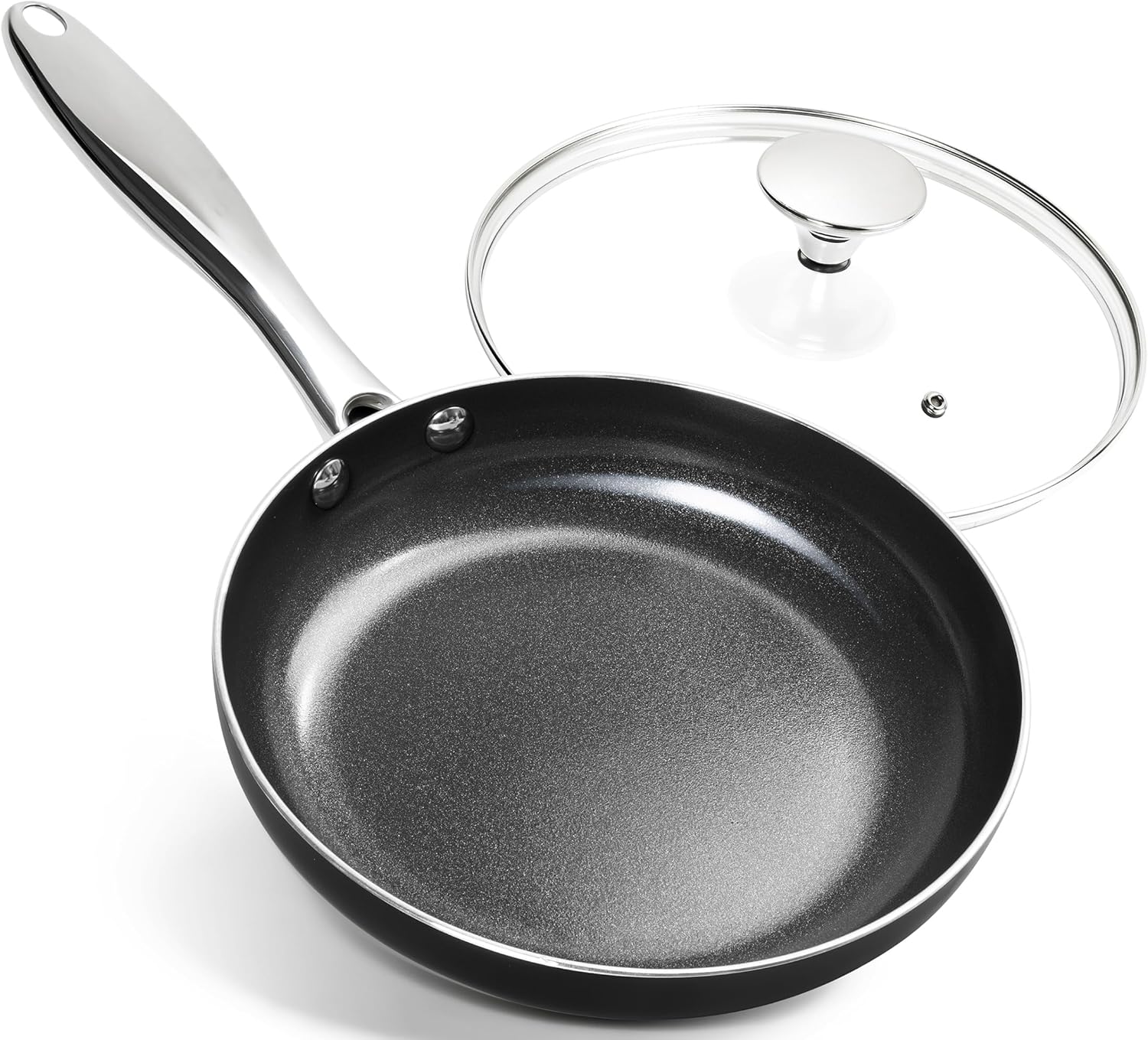
Using a matching lid transforms a basic frying pan into a highly versatile cooking tool capable of steaming, simmering, and retaining heat efficiently. Transparent or sturdy glass covers let you monitor your food cooking progress easily without constantly lifting the cover and losing valuable thermal energy or moisture. This design feature supports consistent results for eggs and small dishes.
Some included lids feature integrated steam vents to prevent excessive pressure buildup when cooking moist dishes or simmering delicate sauces. Evaluating whether a lid includes tight-fitting rims and convenient knobs helps you choose a setup that streamlines your everyday meal preparation while containing messy splatters on your stove surface.
Cleaning and Maintenance Requirements
Proper cleaning routines extend the operational lifespan of your nonstick frying pan significantly. While several product specifications claim dishwasher safety, manufacturers frequently recommend gentle hand washing with mild soap and a soft sponge to preserve delicate ceramic or granite coatings over time. Adopting these conservative cleaning habits protects your investment against premature coating breakdown.
Avoiding harsh abrasive scrubbers, steel wool pads, and metal utensils prevents scratching and structural degradation of the delicate nonstick layer. Taking a few extra minutes to clean your compact pan manually ensures reliable food release and maintains consistent cooking performance through years of daily breakfast preparations and quick meal tasks.
Frequently asked questions
Can I use metal utensils in a ceramic nonstick small frying pan?
Using metal utensils on ceramic or granite nonstick frying pans is strongly discouraged because sharp edges and corners can easily scratch, chip, or degrade the protective coating over time. Manufacturers consistently recommend choosing wooden, nylon, or silicone utensils to protect the delicate cooking surface during food preparation and serving. Sticking to these softer tools ensures smooth food release and preserves the long-term integrity of your skillet through repeated daily breakfast routines without unexpected surface damage.
Are all small frying pans with lids safe for induction cooktops?
Not all small frying pans with lids are automatically compatible with induction cooktops, because induction technology requires a magnetic base material to generate heat properly. While many modern aluminum pans feature integrated stainless steel magnetic plates on the bottom to work across all stovetops, traditional lightweight aluminum models may lack this specific construction. You should always check the manufacturer specifications carefully to confirm induction compatibility before purchasing any skillet for your specific kitchen setup.
Should I wash my nonstick small frying pan in the dishwasher?
Although several product listings indicate dishwasher safety for certain models, manufacturers frequently recommend gentle hand washing for nonstick frying pans. Automated dishwasher detergents often contain harsh chemicals and abrasive elements that can dull or degrade ceramic and granite coatings over time. Taking a moment to wash your compact skillet manually with mild soap and a soft sponge helps maintain optimal nonstick performance and extends the lifespan of your cookware significantly.
What is the best way to prevent food from sticking in a ceramic skillet?
Preventing food from sticking in a ceramic skillet involves using low to medium heat settings rather than high temperatures, which can damage the coating. Additionally, applying a minimal amount of oil, butter, or cooking spray helps create a barrier, even though the surface is nonstick. Avoiding empty preheating and using non-metal cooking utensils further protects the ceramic layer, ensuring your eggs, pancakes, and delicate foods slide effortlessly across the pan during every meal.
Can I put my small frying pan with lid into the oven?
Oven safety depends entirely on the specific materials used in the pan body and handle construction. Some models feature oven-safe designs up to specified temperature limits like 302 or 400 degrees Fahrenheit, while others feature handles or knobs that restrict high-heat oven use. You must always verify the maximum temperature rating provided by the manufacturer before placing any frying pan or its matching lid into an oven to prevent melting or structural damage.