Appliances · Buying Guide
Best Small Saucepan With Pour Spout Options for Every Kitchen
Finding the right small saucepan with pour spout can significantly simplify everyday kitchen tasks, such as melting butter, gently warming milk, or preparing small single servings of homemade gravy. These compact pots combine efficient heating cores with specialized built-in spouts to streamline fluid transfers and prevent messy spills across your countertop and stovetop surfaces during busy meal preparations.
Whether you prefer polished stainless steel, lightweight traditional aluminum, or advanced ceramic nonstick coatings, available options vary widely by cooktop compatibility, handle design, and overall capacity. Exploring these distinct structural designs helps you carefully select a reliable cookware piece that seamlessly matches your daily cooking habits, storage requirements, and fast cleanup preferences.
As an Amazon Associate, StacyLaughs earns from qualifying purchases.
Buying guide
Material Composition and Heat Distribution
Selecting the ideal small saucepan begins with understanding core material construction. Stainless steel models offer exceptional durability, often pairing with an aluminum core base to eliminate hot spots. Aluminum pans heat up rapidly, making them fantastic for warming milk or melting butter quickly. Hard-anodized options provide enhanced structural strength and scratch resistance. Each material influences how efficiently energy transfers from your burner into the vessel.
Evaluating your primary cooking style will guide your material choice. If you frequently boil liquids or want dishwasher-safe convenience, stainless steel stands out as a robust choice. Conversely, if you prioritize lightweight handling and temperature responsiveness, aluminum or ceramic alternatives deliver agility. Matching the material to your typical recipes ensures your small pot performs predictably every time you cook.
Cooktop Compatibility and Induction Support
Before purchasing any compact saucepan, verify that its base is fully compatible with your specific kitchen stove. Gas and electric coil cooktops generally accept almost any cookware material, including lightweight aluminum and standard stainless steel. However, induction cooktops require a magnetic base, meaning non-magnetic aluminum pots will not function on these modern magnetic ranges.
Checking manufacturer specifications prevents compatibility issues that render a new pot unusable. Multi-clad stainless steel or specially constructed induction discs ensure magnetic connection. If you plan on upgrading your kitchen appliances in the future, investing in an induction-compatible small saucepan ensures long-term versatility across different stovetop technologies without requiring secondary purchases.
Capacity and Dimensional Sizing
Small saucepans typically range from roughly half a quart to 1.25 quarts in total volume. A smaller 0.6-quart melting pot works wonderfully for single portions of butter, warm syrup, or chocolate ganache. A 1-quart or 1.25-quart saucepan offers slightly more breathing room, accommodating side dishes, small batches of oatmeal, gravies, or warming larger cups of milk.
Consider your typical batch sizes when selecting dimensions. Oversized pots make tiny liquid amounts difficult to stir and monitor, while undersized vessels risk boiling over. Reviewing the physical diameter and height measurements ensures the pot fits comfortably on small burner rings and stores easily in crowded kitchen cabinets without creating storage frustration.
Pour Spouts and Spill Reduction
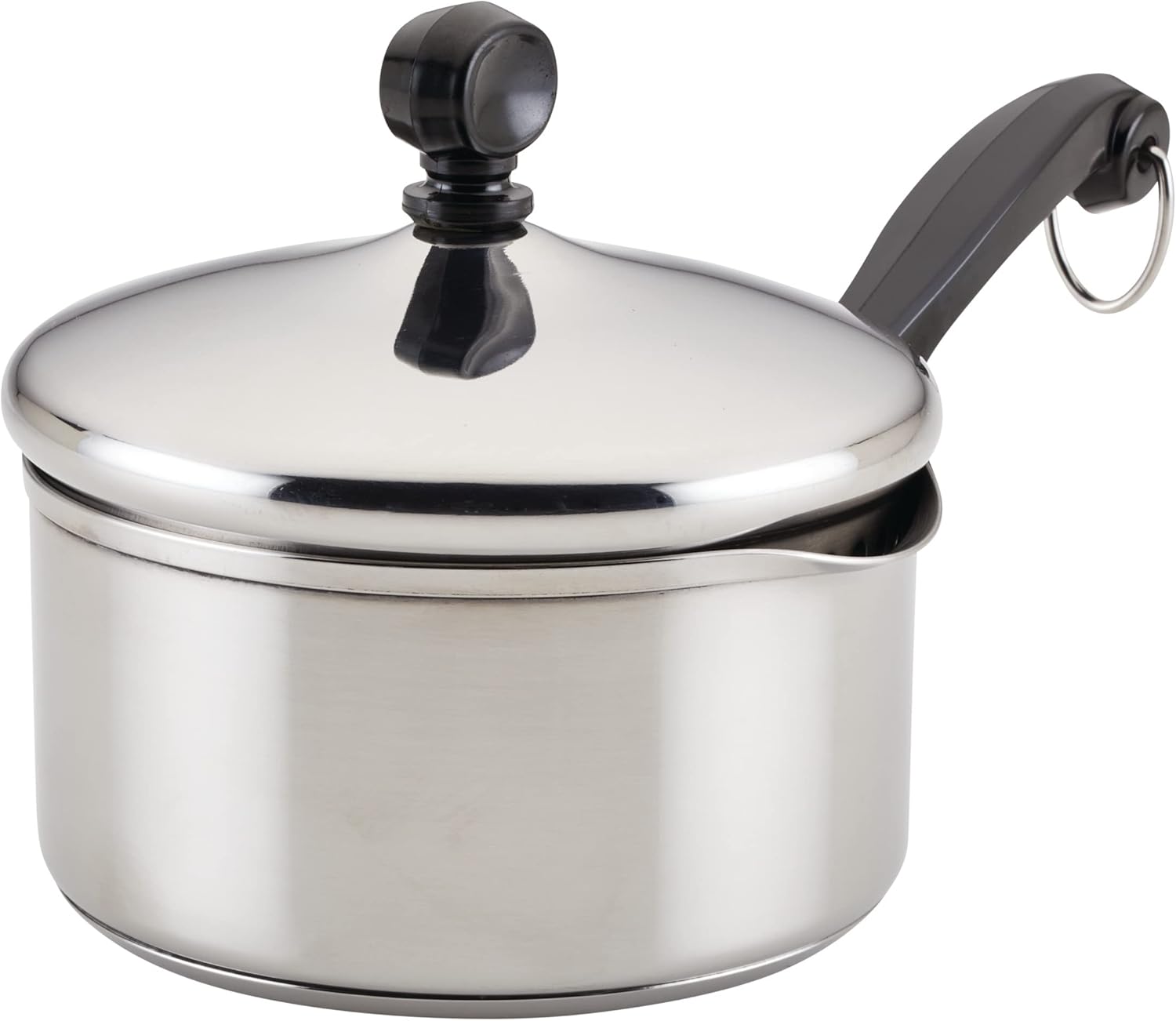
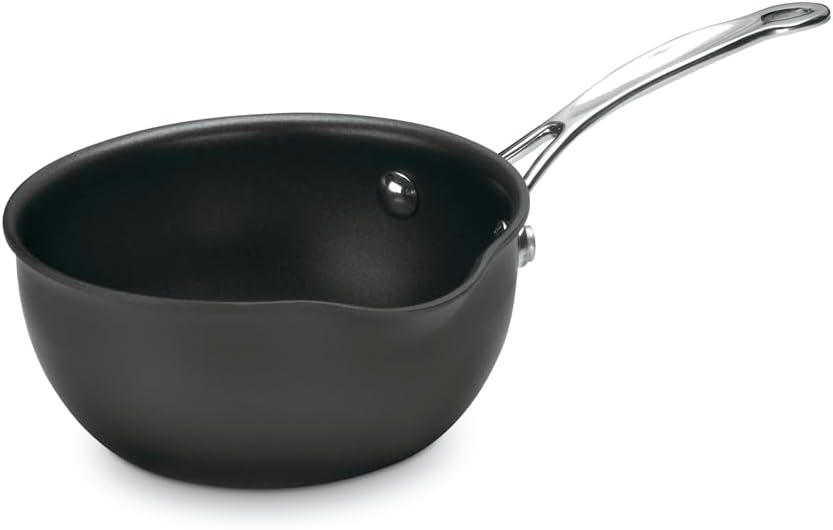
A dedicated pour spout transforms a standard small pot into an efficient vessel for transferring hot liquids safely. Single-spout designs work exceptionally well for right-handed pouring into narrow cups, jars, or mixing bowls. Double pour spouts accommodate both left-handed and right-handed cooks, offering maximum flexibility when drizzling warm melted butter, warming milk, or pouring smooth savory gravies.
Evaluating spout depth and rim shaping helps determine how cleanly liquids exit the pan during transfers. Well-designed spouts channel streams smoothly, minimizing annoying drips down the exterior walls and protecting your stovetop surfaces from sticky messes. This thoughtful feature is especially critical when handling hot, staining liquids like chocolate reductions or dark meat sauces.
Handle Ergonomics and Oven Safety
Handle design significantly impacts comfort and safety during daily stovetop cooking routines and liquid transfers. Ergonomic handles equipped with silicone grips remain noticeably cooler to the touch during extended simmering, reducing the risk of accidental burns. However, these silicone components often limit maximum oven-safe temperature ratings, requiring careful checks before moving cookware directly from burner to oven.
Traditional all-metal handles, including specialized V-flange configurations that actively dissipate heat away from the grip, provide superior oven safety up to high thresholds like 500 degrees Fahrenheit. Assessing whether you need multi-step stove-to-oven versatility or everyday stovetop comfort helps you choose a handle construction that perfectly matches your preferred culinary techniques.
Maintenance and Cleaning Convenience
Cleaning small saucepans should be straightforward to fit seamlessly into your daily post-meal routine. Many stainless steel and aluminum models are fully dishwasher safe, allowing for effortless cleanup after preparing sticky ingredients like melted chocolate or heavy cream. Nonstick ceramic or PFOA-free interior coatings generally require gentle hand washing with a soft sponge to preserve their protective surface.
Following manufacturer maintenance guidelines prevents premature wear and extends the working lifespan of your cookware. Avoid harsh metallic scouring pads on delicate nonstick finishes to prevent scratching. Selecting a pot with an easy-to-clean exterior finish ensures your small saucepan maintains its attractive appearance through countless cooking sessions without demanding excessive scrubbing effort.
Frequently asked questions
Can I use a small saucepan with pour spout on an induction cooktop?
Cooktop compatibility depends entirely on the specific metals used in the construction of the pot base. Stainless steel saucepans featuring a bonded aluminum or steel induction core are engineered to function seamlessly on modern magnetic induction ranges. However, lightweight aluminum pots or specialized vessels lacking a magnetic base will not generate heat on induction surfaces. Always review the official manufacturer specifications before purchasing if you operate an induction cooktop.
Are small saucepans with pour spouts safe to put in the oven?
Many small saucepans can safely transition from the stovetop into the oven, but temperature limits vary widely by model and handle design. Stainless steel pots with all-metal handles frequently withstand moderate oven temperatures up to 350 degrees Fahrenheit, while advanced hard-anodized ceramic pans often tolerate heat up to 500 degrees Fahrenheit. Conversely, pots featuring silicone grip handles usually have strict temperature restrictions to prevent melting or damage, making manufacturer guidelines essential.
Do these small saucepans come with lids included?
Inclusion of a lid depends entirely on the specific product design and manufacturer package contents. Some 1-quart models include specialized self-basting lids equipped with integrated straining holes and pour spouts, while other compact butter warmers or open milk pans ship strictly as open vessels without any cover. Checking the included components list ensures you know whether a matching lid is provided for simmering tasks or if you must source one separately.
How do I clean a nonstick small saucepan without damaging the coating?
Preserving a nonstick interior coating requires gentle cleaning habits following each use. Allow the pot to cool down completely before washing to prevent warping from sudden thermal shock. Use warm soapy water, a mild dish soap, and a soft sponge or cloth rather than abrasive steel wool scouring pads. Following these simple manufacturer maintenance recommendations helps protect the nonstick surface from scratches and extends its functional lifespan.
What is the best capacity for melting butter or warming milk?
For simple tasks like melting a stick of butter, warming a single cup of milk, or making a small batch of gravy, capacities between 0.6 and 1.25 quarts work exceptionally well. An ultra-compact 0.63-quart pot prevents tiny amounts of liquid from spreading too thin, whereas a 1-quart or 1.25-quart pot accommodates slightly larger single portions without risking messy boil-overs. Match the capacity directly to your common everyday portion requirements.