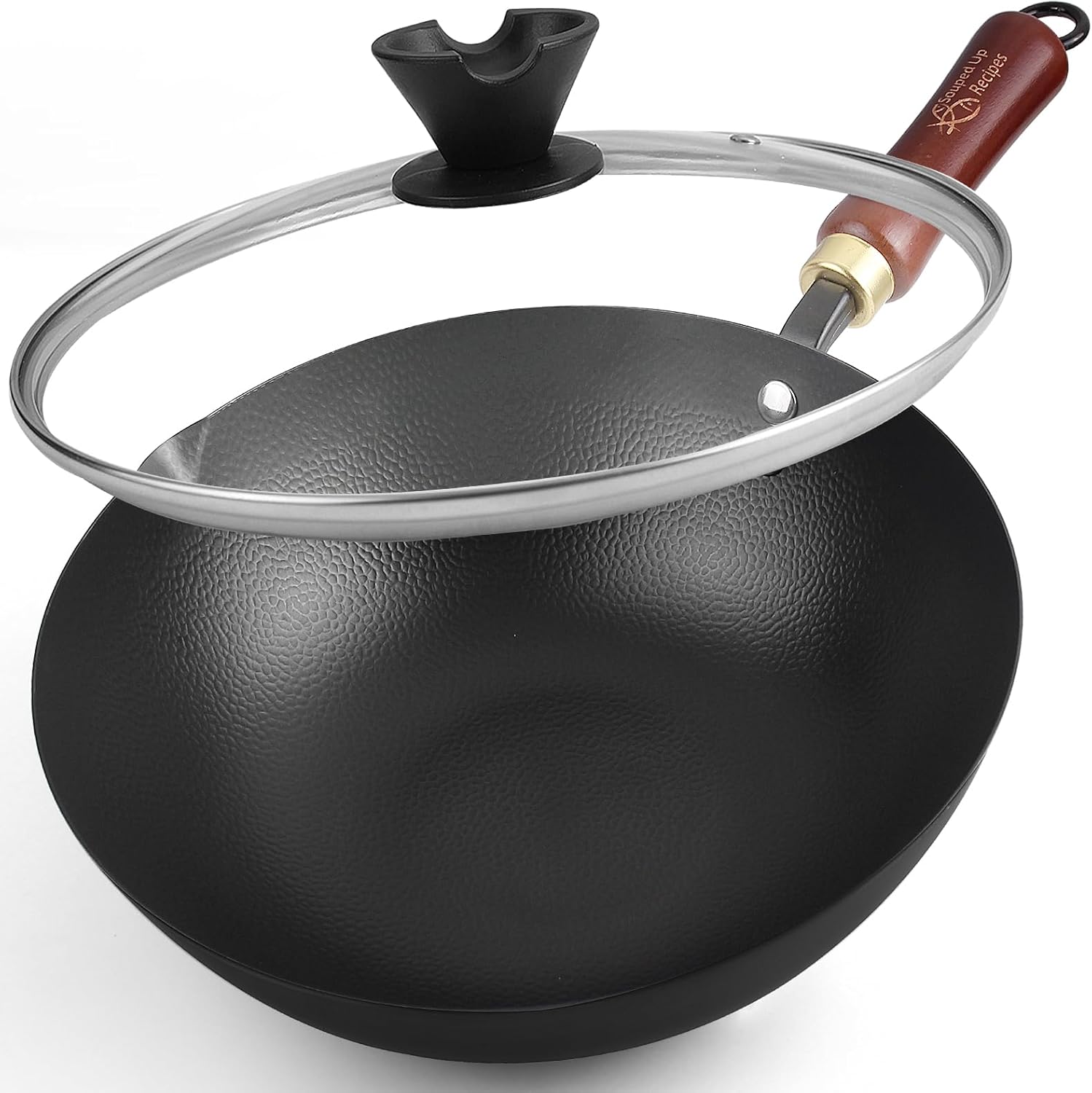
Appliances · Buying Guide
Best Small Wok With Lid Options For Compact Kitchens
Finding the right cookware for compact kitchens or solo meals often means looking beyond oversized traditional pans. A small wok with lid brings the high-heat versatility of deep, curved stir-fry cooking into a footprint that fits easily on standard burners and in modest cabinets. These compact pans handle everything from quick morning eggs to evening sautéed vegetables without taking up excessive stove space.
Choosing the ideal compact wok requires balancing material preferences like carbon steel, cast iron, or stainless steel against your specific stovetop and maintenance routines. Whether you need a pre-seasoned surface for traditional stir-frying or a tri-ply construction for rapid, even heating, understanding these differences ensures you select a dependable tool for everyday meals.
As an Amazon Associate, StacyLaughs earns from qualifying purchases.
Buying guide
Material Selection for Your Cooking Style
Choosing the right material for a compact wok directly impacts how you manage daily meals and long-term upkeep. Carbon steel offers traditional performance, heating rapidly and developing a natural nonstick patina over time with consistent seasoning habits. It handles high temperatures well without synthetic coatings, making it a reliable favorite for traditional stir-frying techniques on standard cooktops.
Cast iron provides exceptional heat retention for smaller portions but demands regular hand washing and oiling to prevent rust on its uncoated surface. Stainless steel models resist corrosion and handle diverse ingredients easily without requiring seasoning routines, though they feature different weight profiles and heat responses compared to traditional reactive metals.
Stovetop Compatibility and Heat Distribution
Stovetop compatibility determines whether your chosen wok will perform efficiently in your specific kitchen setup. Flat-bottom designs sit securely on electric coil, smooth ceramic, and induction burners, ensuring steady thermal contact. Traditional round-bottom woks require special rings on western stoves, making flat-bottom alternatives much more practical for standard residential ranges and apartment living spaces.
Look for construction methods like tri-ply aluminum cores or thick carbon steel bases that promote rapid and even heating across the entire cooking surface. Good thermal distribution eliminates annoying hot spots, allowing vegetables to sear properly and delicate sauces to simmer without scorching along the edges of the pan.
Size and Capacity for Small Households
Compact woks typically measure between eight and eleven inches in diameter, making them ideal for single portions or cooking for two people. Selecting a smaller diameter ensures the pan fits comfortably on crowded stovetops alongside other pots and pans. It also prevents overcrowding ingredients, which is crucial for achieving a proper sear rather than steaming your food.
Capacity matters just as much as diameter when preparing soups, deep-fried items, or bulky leafy greens that shrink down during cooking. Deep curved walls help contain ingredients during vigorous tossing and stirring, keeping your stovetop clean while providing enough depth to handle versatile meal preparation tasks effortlessly.
Handle Design and Storage Convenience
Handle construction affects both cooking comfort and how easily you can store your cookware in tight kitchen spaces. Ergonomic wooden handles stay cool to the touch during stove use, protecting your hands from high cooking temperatures. Riveted or detachable handle designs offer added security during heavy lifting and make oven transitions simpler when recipes require baking.
Storage convenience is another major factor for compact kitchens with limited cabinet or counter space. Look for built-in hanging rings that allow you to mount the wok on a wall rack. Detachable handles also significantly reduce the overall footprint of the pan, allowing it to fit neatly into shallow drawers or crowded cupboards.
Lids and Accessories for Versatile Cooking
Accessories like matching lids transform a basic stir-fry pan into a multi-functional vessel capable of braising, steaming, and simmering. Glass lids let you monitor cooking progress without releasing valuable heat and moisture, while wooden lids fit snugly to trap steam effectively during traditional cooking methods. Check maximum temperature limits if you plan to use the lid inside an oven.
Additional items such as user guides or instructional video links can be especially helpful if you are new to maintaining carbon steel or cast iron cookware. Having clear guidance on initial seasoning and ongoing care ensures your pan remains in top condition and delivers reliable performance over years of daily kitchen use.
Maintenance and Cleaning Requirements
Cleaning and maintenance routines vary significantly depending on whether your wok features a traditional reactive metal or a modern coated surface. Carbon steel and cast iron pans typically require hand washing with warm water, thorough drying, and a light application of cooking oil to protect the metal from rust and preserve the seasoned cooking surface over time.
Stainless steel and hybrid models often offer more forgiving cleanup options, including dishwasher compatibility for busy households. However, following manufacturer guidelines regarding abrasive pads and preheating habits will protect any specialized nonstick patterns or polished finishes, ensuring your cookware continues to release food smoothly meal after meal.
Frequently asked questions
Can I use a small carbon steel wok on an induction stovetop?
Flat-bottom carbon steel woks with appropriate magnetic properties work well on induction cooktops because their flat base makes direct contact with the glass surface. Induction burners transfer heat rapidly to the metal base, allowing the pan to reach high temperatures quickly for stir-frying. Always check the manufacturer specifications to confirm compatibility with your specific stovetop type before purchasing, as some lightweight round-bottom designs require specialized adapter rings or are strictly designated for gas ranges.
Do small cast iron woks require seasoning before the first use?
Uncoated cast iron woks typically require proper seasoning and preheating habits to build a reliable nonstick cooking surface over time. While some pans arrive pre-seasoned from the factory, applying a thin layer of cooking oil and heating the pan before ingredients are added helps improve food release and prevents sticking. Regular hand washing followed by thorough drying and a light oil coating will maintain the protective seasoning layer, protecting the iron from rust during storage.
Are stainless steel woks safe for high-heat cooking and ovens?
Heavy-gauge stainless steel and tri-ply construction models handle high-heat stovetop cooking exceptionally well without warping or releasing harmful fumes. Many stainless steel woks and associated glass lids feature high temperature limits, allowing you to transfer the pan directly from the burner into a hot oven for roasting or braising tasks. Always verify the maximum temperature thresholds provided by the manufacturer for both the pan body and any attached handles or lids before baking.
How do I clean a compact wok without damaging the surface?
Cleaning methods depend entirely on the material construction of your compact wok. For carbon steel and cast iron models, hand washing with warm water and a soft brush is standard, avoiding harsh dish soaps and abrasive steel wool that can strip the seasoning layer. Stainless steel and hybrid models offer more flexibility, often tolerating dishwasher cleaning or gentle scouring pads for stuck-on food residue, though hand washing helps preserve polished exterior finishes longer.
What size wok is best for cooking for one or two people?
Woks measuring between eight and ten inches in diameter are ideal for single portions, couples, or small households with limited kitchen space. This compact scale allows you to prepare quick vegetable sides, noodles, or personal stir-fries without overcrowding the pan, which ensures proper heat distribution and food searing. Choosing a smaller diameter also saves valuable storage space in crowded cabinets and fits easily alongside other pots on standard residential stove burners.