Appliances · Buying Guide

Best smithey cast iron skillet alternatives for smooth cooking

Finding a reliable cooking pan means looking closely at traditional materials and modern machining techniques. Premium iron skillets bring exceptional heat retention and durability to your daily kitchen setup. Whether you are searing steaks, baking cornbread, or frying morning eggs, having a dependable pan changes how you approach meal preparation. Modern American foundries revive vintage crafting methods to deliver reliable performance without synthetic non-stick coatings.

Exploring alternative options to a smithey cast iron skillet reveals various polished surfaces, lighter weights, and heritage designs. These carefully manufactured pieces handle everything from stovetop dinners to outdoor campfires with impressive ease. Understanding what separates each build helps you select the ideal cookware for your specific cooking habits and preferred heat sources.

As an Amazon Associate, StacyLaughs earns from qualifying purchases.

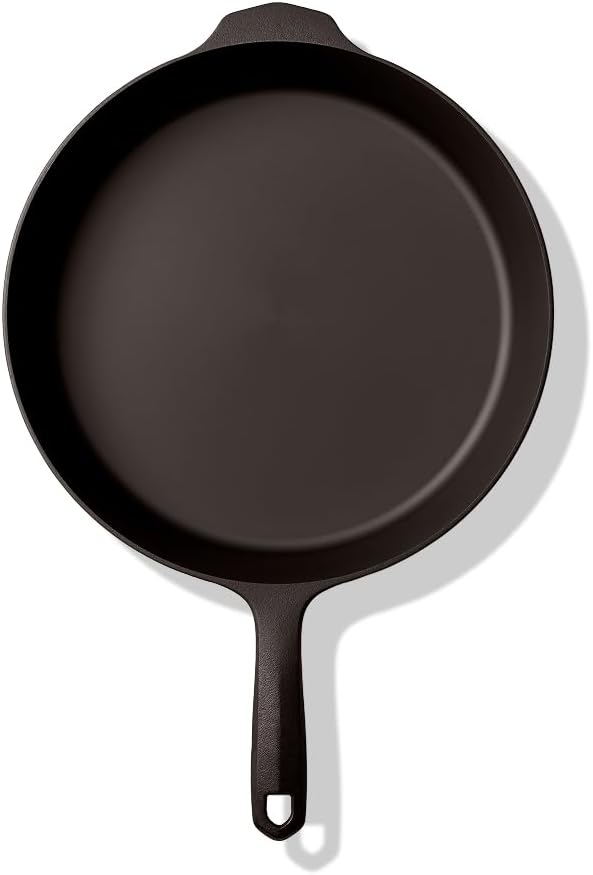
Stargazer 12-Inch Cast Iron Skillet
#1 Best Overall

Stargazer 12-Inch Cast Iron Skillet

This 12-inch American-made skillet features a machined smooth cooking surface designed to minimize food sticking during everyday meal prep. It offers a drip-free flared rim instead of traditional pour spouts, along with a stay-cool handle for safer handling. Compatible with induction, gas, and electric stovetops, this heavy-duty pan handles baking, frying, and searing while providing reliable heat retention.

Best for Large family meal preparation

Smooth cooking surfaceIndividually crafted USAStay-cool handleDrip-free flared rimOven safe design
View on Amazon →

What stands out

  • Machined smooth cooking surface helps prevent food from sticking and ensures straightforward cleanup after preparing meals.
  • Extended stay-cool handle design promotes comfortable handling and enhanced safety while moving the pan around hot burners.
  • Drip-free flared rim allows pouring liquids from any angle without relying on traditional localized spouts.

What to consider

  • Lacks traditional localized pour spouts, which might require adjusting your technique when draining liquids or sauces from the rim.
  • Heavyweight iron construction demands careful maneuvering when lifting full portions or transferring the skillet to the oven.
Key specifications
Capacity
3.4 quarts
Material Type
Cast Iron
Product Care Instructions
Hand Wash Only
Handle Material
Cast Iron
Additional Features
Electric Stovetop Compatible, Gas Stovetop Compatible, Heavy Duty, Oven Safe
Compatible Devices
Smooth Surface Induction

The practical verdict

This skillet suits home cooks seeking a smooth cooking surface and a modern handle design for everyday stovetop and oven recipes. Avoid this model if you strictly prefer traditional pour spouts for draining liquids. The primary trade-off involves balancing the convenience of a drip-free flared rim against traditional pouring habits, alongside managing a substantial cast iron build during high-heat cooking tasks.

#2
Lancaster Cast Iron No. 10 Skillet
Main Course Heirloom Skillet

Lancaster Cast Iron No. 10 Skillet

Best for Versatile everyday main courses

Crafted in Pennsylvania, this 11-5/8 inch skillet offers a lighter build than typical modern iron pans while maintaining strong heat retention. It features a traditional handle, convenient helper handle, and traditional pour spouts for easy sauce handling. Pre-seasoned right out of the box, it works across gas, induction, electric, glass-top, campfire, and grill heat sources.

What stands out

  • Lighter weight design reduces overall heft, making the pan much easier to maneuver around busy kitchen spaces.
  • Convenient helper handle provides extra support when lifting heavy loads or transferring the skillet between burners.
  • Traditional pour spouts simplify draining sauces and liquids directly from the side of the pan.

What to consider

  • Lighter iron build responds rapidly to temperature changes, requiring careful heat management to prevent overheating on intense burners.
  • Hand wash only maintenance routine requires prompt drying and careful oiling after every use to prevent unwanted rust accumulation over time.
Key specifications
Capacity
11 cubic inches
Material Type
Cast Iron
Product Care Instructions
Hand Wash Only
Handle Material
Cast Iron
Additional Features
Pre-Seasoned
Compatible Devices
Electric Coil, Gas, Smooth Surface Induction

The practical verdict

Best for home cooks wanting a lighter heritage-style pan that handles diverse heat sources from induction cooktops to open campfires. Avoid if you prefer heavy-duty pans that hold static temperatures without quick fluctuations. The main trade-off centers on gaining an easier-to-lift weight while sacrificing some of the sluggish thermal mass found in traditional heavy iron skillets.

#3
Lancaster Cast Iron 10.5-Inch Lightweight Skillet
Lightweight Everyday Pan

Lancaster Cast Iron 10.5-Inch Lightweight Skillet

Best for Quick daily meal tasks

Weighing approximately four pounds, this 10.5-inch American-made skillet provides a lightweight option for daily cooking tasks. Machined for a smooth surface, it includes a classic ergonomic handle and traditional pour spouts. It operates efficiently across various heat sources including gas, induction, electric coils, grills, and campfires, delivering quick thermal response times and dependable heat retention.

What stands out

  • Weighs around four pounds, offering exceptional maneuverability for everyday cooking and easy storage in kitchen cabinets.
  • Machined smooth surface delivers reliable food release and straightforward cleaning after standard meal preparation.
  • Traditional pour spouts accommodate easy liquid removal for gravies and sauces during cooking.

What to consider

  • Smaller 10.5-inch diameter restricts total cooking capacity, making it less suitable for preparing large family-sized meals in a single batch.
  • Requires strict hand washing and manual oiling routines to keep the seasoned iron surface protected from moisture damage.
Key specifications
Capacity
2 quarts
Material Type
Cast Iron
Product Care Instructions
Hand Wash Only
Handle Material
Cast Iron
Additional Features
Electric Stovetop Compatible, Oven Safe
Compatible Devices
Electric Coil, Gas, Smooth Surface Induction

The practical verdict

This pan suits single users or couples preparing smaller portions who want a lightweight, responsive iron skillet for daily tasks. Avoid this model if you frequently cook large family meals requiring extensive surface area. The primary trade-off is gaining lightweight comfort and quick heat response while accepting a more compact cooking footprint that cannot accommodate large multi-person batches.

#4
Field Company 11.5-Inch Polished Cast Iron Skillet
Polished Family Skillet

Field Company 11.5-Inch Polished Cast Iron Skillet

Best for Family dinner cooking

Built using green sand casting, this 11.5-inch polished skillet serves four to six people comfortably. Pre-seasoned with grapeseed oil, it features a smooth cooking surface that builds non-stick qualities over time. It works on gas, electric, glass, ceramic, and induction stovetops, as well as in ovens and on grills, offering a balanced weight for easy kitchen maneuverability.

What stands out

  • Polished smooth cooking surface replicates vintage American cast iron performance and enhances natural release properties over time.
  • Balanced six-pound weight provides easy maneuverability around stovetops, ovens, and outdoor grills without excessive strain.
  • Generous wall height and flat surface accommodate family-sized portions like whole roast chickens or multiple eggs.

What to consider

  • Requires careful preheating procedures on low to medium heat settings for several minutes before adding cooking fats and food items.
  • Natural seasoning builds gradually, meaning early cooking sessions require adequate oil application to prevent food from sticking to the surface.
Key specifications
Capacity
6 pounds
Material Type
Cast Iron
Product Care Instructions
Hand Wash Only
Handle Material
Cast Iron
Additional Features
Non Stick
Compatible Devices
Smooth Surface Induction

The practical verdict

Ideal for families and home cooks who appreciate vintage-style polished iron and want a pan that improves with every meal. Avoid if you expect an instantly slick, synthetic non-stick coating straight out of the box. The main trade-off involves practicing patient preheating and building seasoning over time in exchange for a chemical-free, naturally releasing cooking surface that lasts for generations.

#5
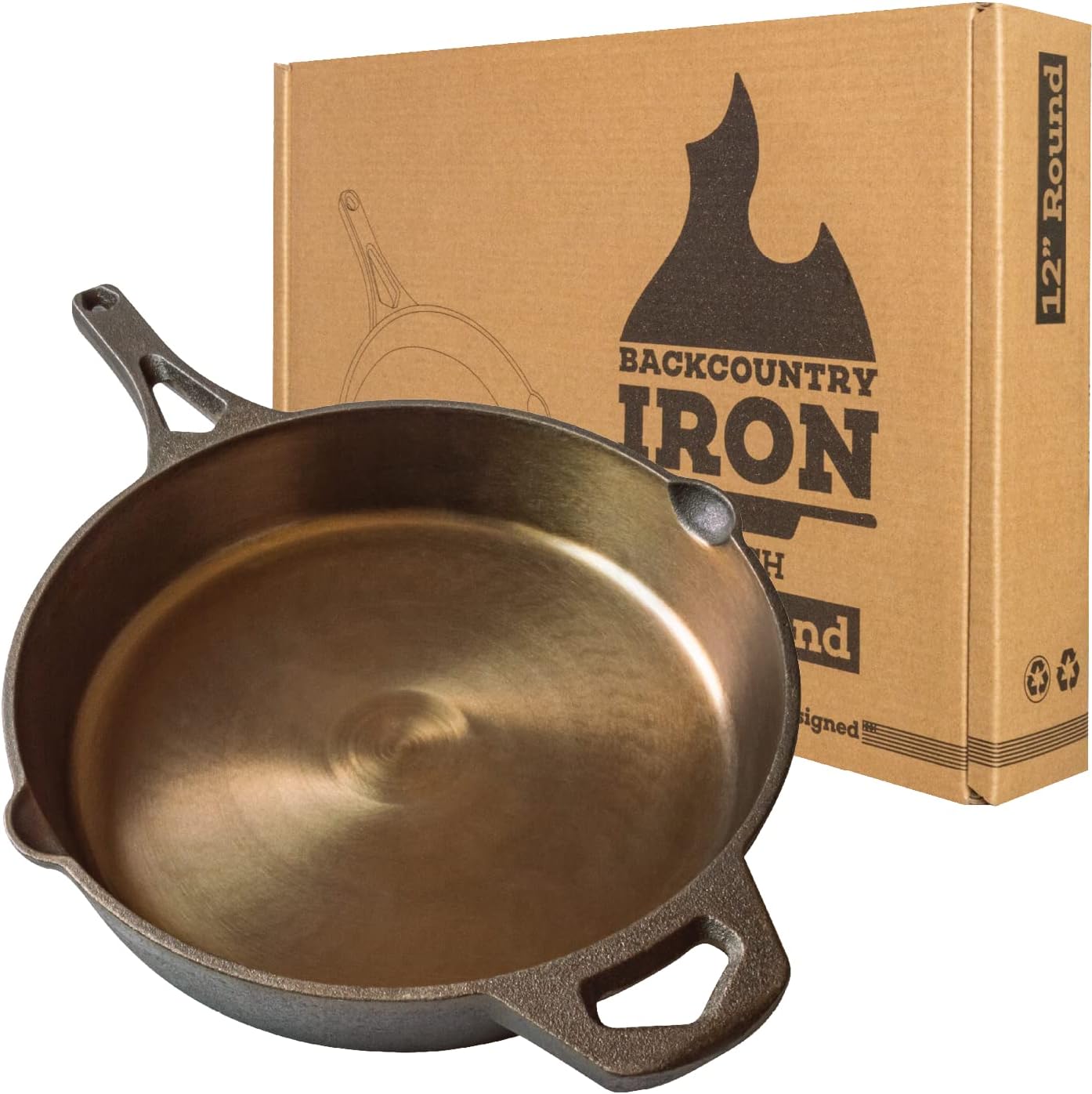
Backcountry Iron 12-Inch Smooth Cast Iron Skillet
Vintage Style Heavy Pan

Backcountry Iron 12-Inch Smooth Cast Iron Skillet

Best for Heavy-duty searing and roasting

Inspired by vintage foundry pieces, this 12-inch smooth cast iron skillet arrives quadruple seasoned with vegetable and grapeseed oil. It features a glossy cooking surface designed for excellent heat retention and food release across electric, induction, gas, and campfire heat sources. The heavyweight construction supports heavy searing, browning, braising, and roasting tasks for larger households.

What stands out

  • Quadruple seasoned surface provides a protective bronze finish and helps initiate smooth food release from day one.
  • Heavyweight iron build retains heat exceptionally well, ensuring consistent browning and searing across the entire cooking surface.
  • Versatile design adapts seamlessly to electric stovetops, induction burners, open campfires, and high-heat oven baking.

What to consider

  • Heavyweight iron construction makes the large skillet difficult to lift with one hand when fully loaded with cooked food.
  • Strict maintenance requirements prohibit overnight soaking or air drying to prevent rust from forming on the exposed iron.
Key specifications
Capacity
3 quarts
Material Type
Cast Iron
Product Care Instructions
Dry Immediately, Hand Wash Only
Handle Material
Cast Iron
Additional Features
Flat Bottom, Glass Smooth Cooking Surface, Great Heat Retention, Heavyweight, Vintage Style
Compatible Devices
Electric Coil, Fire, BBQ, Gas, Smooth Surface Induction, Smooth Surface Non Induction

The practical verdict

Best for outdoor enthusiasts and home chefs seeking a heavy-duty, quadruple-seasoned skillet with exceptional heat retention capabilities. Avoid this choice if you prefer lightweight pans that require minimal lifting effort. The primary trade-off is enjoying superior thermal retention and a pre-seasoned vintage finish while managing a heavy pan that demands strict hand-drying routines to prevent rust.

Buying guide

Surface Finish and Machining

A smooth cooking surface is essential for reducing food sticking and achieving an effortless release during daily meal preparation. Modern manufacturers machine rough iron castings down to create glossy, polished interiors reminiscent of vintage cookware from decades past. This machining process ensures that eggs slide easily and steaks develop an even crust.

However, polished surfaces require you to build seasoning gradually through regular cooking with oils and fats. While factory seasoning provides a solid starting point, patience is necessary as the non-stick properties mature over successive meals. Choosing between a smooth finish and a standard rough texture depends entirely on your personal cooking preferences and willingness to maintain the iron layer.

Weight and Maneuverability

Traditional cast iron pans are known for their heavy builds, which store heat efficiently but can strain your wrists during lifting. Newer manufacturing techniques allow foundries to produce lighter skillets without sacrificing thermal retention. A reduced weight makes it much easier to transfer the pan between burners or carry it to an outdoor grill.

On the other hand, heavier skillets provide massive thermal mass that resists temperature drops when adding cold ingredients. Consider how frequently you lift your cookware when deciding on total pan weight. If you prefer quick wrist action and easy storage, a lighter model serves you better than a heavyweight alternative.

Handle Design and Comfort

Handle construction plays a major role in how safely and comfortably you maneuver your skillet around a hot kitchen. Traditional handles offer classic ergonomics, while modern innovations incorporate extended cooling zones or helper handles to distribute weight evenly. A well-designed handle gives you secure control when tilting the pan or transferring heavy meals.

Always evaluate whether a secondary helper handle is included if you frequently cook large family portions. Lifting a fully loaded pan with one hand can strain your grip quickly during meal transfer. Selecting an ergonomic handle style prevents hand fatigue and keeps your cooking sessions safe and enjoyable.

Pour Spouts and Rim Design

Traditional pour spouts are essential for draining excess grease, cooking sauces, or gravies directly from the side of your skillet without making a mess. These localized notches have been a staple of American cast iron cookware for generations. They allow you to serve liquids cleanly onto plates or into storage containers.

Alternatively, some modern skillets feature flared rims that eliminate spouts entirely, letting you pour liquids smoothly from any angle around the pan's circumference. While this design prevents messy drips along the sides, it requires a slight adjustment if you are accustomed to traditional spouts. Your choice depends on your specific pouring habits and kitchen routines.

Heat Source Compatibility

Cast iron cookware is universally celebrated for its exceptional versatility across almost all modern and traditional heat sources. Whether you cook on a gas flame, electric coil, smooth glass cooktop, or modern induction burner, a quality iron skillet performs reliably. Many models also transition directly into hot ovens or onto outdoor campfires.

However, you should always verify that your specific cooktop matches the base design of the pan to prevent scratching or uneven heating. Induction users benefit greatly from flat iron bottoms that maintain steady contact with the magnetic surface. Matching your pan to your primary heat source ensures optimal cooking efficiency every day.

Maintenance and Seasoning

Proper maintenance is critical for keeping cast iron cookware in top condition for years to come. Because iron can rust when exposed to moisture, you must always hand wash your skillet with warm water and dry it thoroughly immediately after cleaning. Applying a thin layer of oil protects the metal from oxidation.

Avoid running cast iron pans through dishwashers or soaking them overnight in water, as these practices strip away the protective seasoning and ruin the cooking surface. Adhering to manufacturer care guidelines guarantees that your skillet develops a deep, dark patina and natural non-stick performance that lasts through generations of daily meal preparation.

Frequently asked questions

Can I use metal utensils on a machined cast iron skillet?

Yes, you can use metal utensils on a machined cast iron skillet, but you should always exercise caution to avoid gouging the seasoned surface. Unlike modern non-stick pans with synthetic coatings that easily flake off, cast iron is durable enough to handle metal spatulas and turners. However, gentle flipping techniques help preserve the smoothness of the cooking area over time. If your pan features a delicate seasoning layer, wooden or silicone tools might offer a safer option during early use until a robust patina fully develops.

How do I clean my cast iron skillet without ruining the seasoning?

Cleaning your cast iron skillet requires washing it by hand using warm water and a stiff brush or scraper to remove stuck-on food particles. Avoid putting the pan in the dishwasher or soaking it in water overnight, as moisture promotes rust and strips the protective oil layer. After washing, dry the skillet completely with a towel or place it on a warm burner to evaporate remaining moisture. Finish the cleaning routine by rubbing a very thin layer of vegetable oil across the interior and exterior surfaces.

Why does my food stick to my new cast iron skillet?

Food sticking on a new cast iron skillet usually happens because the natural seasoning layer is still developing or because the pan was not preheated correctly before cooking. Cast iron requires a brief preheating period on low to medium heat settings before you add cooking oils and food items. Additionally, early cooking sessions demand a little extra oil or butter to assist with food release. As you continue cooking regular meals, the non-stick properties will naturally improve and strengthen over time.

Are lighter cast iron skillets as durable as traditional heavyweight pans?

Lighter cast iron skillets maintain exceptional durability because they are still forged from solid iron, just with thinner walls designed to reduce overall weight. While they lack the massive thermal mass of traditional heavyweight pans, they offer faster temperature response times and much easier maneuverability around the kitchen. They remain heirloom-quality pieces capable of lasting for generations when properly seasoned and maintained according to manufacturer care instructions, making them a practical choice for everyday cooks.

Can I use these cast iron skillets on an induction cooktop?

Yes, all of these cast iron skillets work exceptionally well on smooth-surface induction cooktops because iron is naturally magnetic and establishes direct contact with the burner. When using cast iron on glass or induction surfaces, you should always lift the pan rather than sliding it across the glass to prevent accidental scratching. Ensuring the bottom of your skillet remains clean and flat will also maximize heating efficiency and protect your cooktop from unnecessary wear during daily meal preparation.

Final thoughts

Selecting the right cast iron skillet depends heavily on your personal preferences for pan weight, handle design, and surface finish. Whether you choose a lightweight heirloom model or a heavyweight traditional skillet, proper maintenance ensures decades of reliable cooking performance in your home kitchen, whether on a stovetop or campfire.

By strictly following manufacturer guidelines for hand washing and protective oiling, your skillet will develop a natural non-stick surface that steadily improves with every meal you prepare. Investing in the right iron pan that matches your daily cooking style allows you to enjoy generations of delicious homemade meals with confidence.