Appliances · Buying Guide
Best Smooth Cast Iron Skillet for Everyday Cooking
Cooking with a smooth cast iron skillet offers a traditional approach to browning meats, baking bread, and frying eggs without relying on synthetic nonstick coatings. Unlike standard rough-textured iron pans, precision-machined cooking surfaces provide an even base that minimizes food sticking right from the first use and supports gradual seasoning development over time.
Choosing the right model depends on matching the overall weight, pan diameter, and handle design to your kitchen stove type and everyday meal preparation habits. Whether you need a compact pan for single-serving breakfasts or a large cooking surface for family-sized dinners, these versatile skillets deliver reliable heat retention across gas, electric, and induction cooktops.
As an Amazon Associate, StacyLaughs earns from qualifying purchases.
Buying guide
Surface Machining and Texture
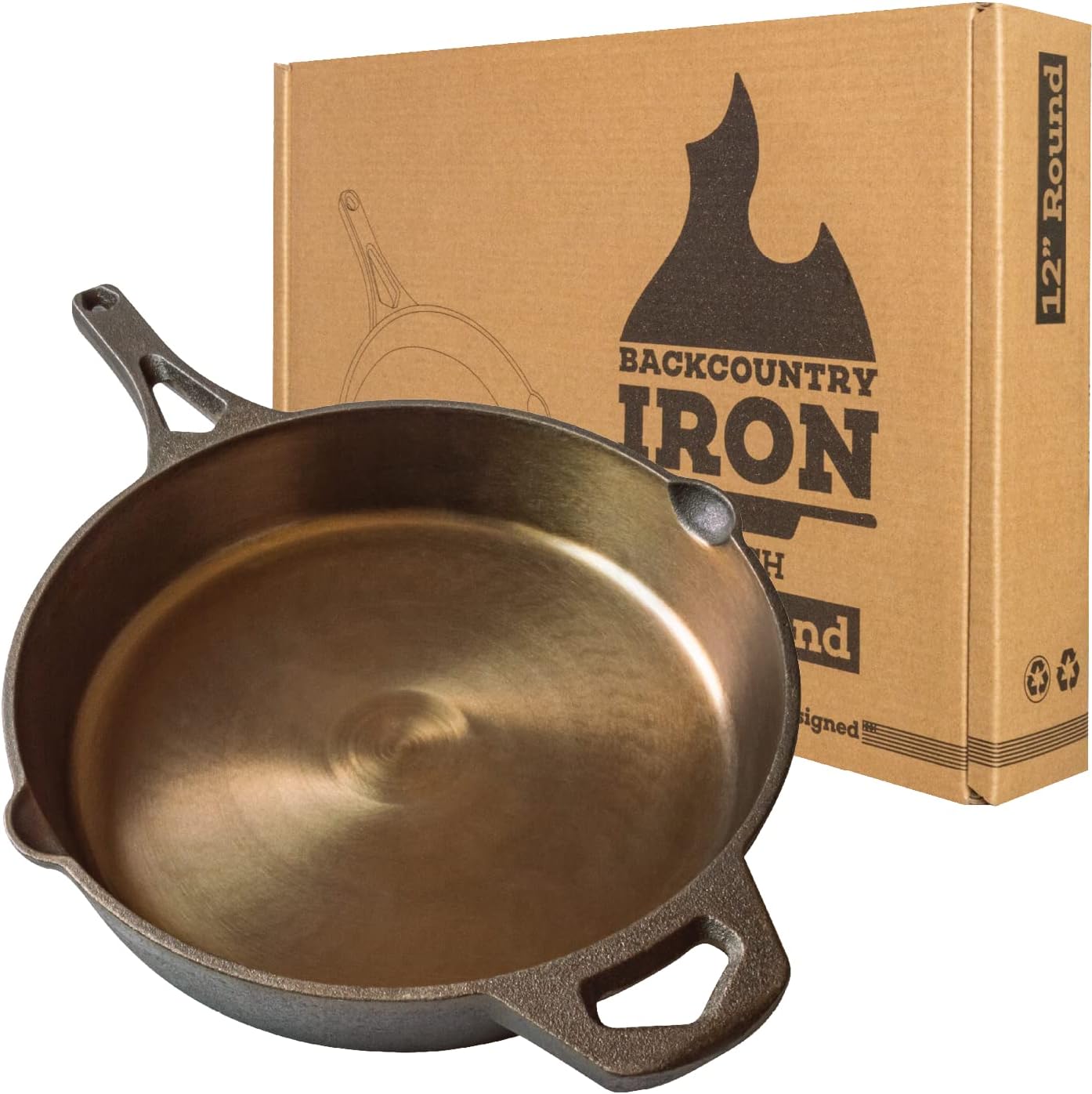
Smooth cast iron skillets undergo a precision milling process to remove the bumpy texture found in standard rough iron cookware. This machined finish creates a flat, even plane that minimizes food sticking from your very first meal. Without synthetic nonstick layers to degrade over time, a polished surface relies entirely on natural seasoning built through regular cooking habits. Buyers should look for evenly polished cooking areas that allow easy release for delicate items like eggs and pancakes.
Maintaining a machined surface requires consistent care, including hand washing, thorough drying, and applying thin layers of oil after use. While rough pans eventually smooth out with years of heavy use, starting with a pre-milled skillet provides immediate convenience. Consider how much effort you want to invest in seasoning upkeep versus getting an ultra-slick cooking plane straight out of the box.
Weight and Portability
The physical weight of a cast iron pan directly influences how comfortable you feel moving it between counters, sinks, and ovens. Lightweight models reduce wrist fatigue, making them much easier to handle during rapid tossing or serving tasks. However, heavier skillets often provide denser mass for sustained heat retention during searing. Finding the right balance depends on your personal upper body strength and how often you need to lift the loaded pan with one hand.
Kitchen setups also dictate your weight preferences, especially if you store heavy cookware in low cabinets or overhead racks. If you routinely cook multi-serving dinners, a heavier pan stays anchored securely on burners. Evaluate your daily cooking routine to decide whether a lightweight iron skillet or a heavyweight traditional model best matches your physical comfort level.
Handle Design and Leverage
Handle configurations determine your control and stability when transferring hot pans across the kitchen. Primary handles vary in length and ergonomic contour, while auxiliary helper handles provide crucial secondary support for heavy lifting. A well-designed grip helps distribute the weight evenly, reducing strain on your wrist during tilting and pouring tasks. Some modern handles incorporate extended cooling properties or specialized shapes to enhance comfort during extended stovetop sessions.
When shopping for a skillet, examine whether you need a dual-handle setup for heavy pans or if a single classic handle suffices for lighter models. Testing your grip against the handle length ensures you can maneuver the pan safely without awkward angles. Proper leverage makes everyday cooking much more manageable, especially when working with high temperatures and heavy food loads.
Pour Spouts Versus Flared Rims
Pouring liquids safely from a hot skillet depends heavily on the edge architecture of the pan. Traditional dual pour spouts offer localized channels for draining excess grease or transferring pan sauces into smaller bowls. Alternatively, drip-free flared rim designs eliminate spouts entirely, letting you pour liquids cleanly from any angle around the perimeter. Both styles serve distinct culinary workflows, so your choice depends on how frequently you pour gravies or batter.
Consider your typical recipes when deciding between spouted models and flared edges. If you frequently make sauces, traditional spouts provide targeted direction. If you prefer unrestricted movement for turning pancakes or serving flatbreads, a flared rim offers seamless access all the way around. Match the rim style to your favorite dishes to ensure frustration-free cleanup and serving routines.
Pre-Seasoning and Initial Care
Pre-seasoned cast iron skillets arrive coated with protective oils, allowing you to start cooking immediately without performing initial seasoning rounds at home. Manufacturers use various plant-based oils, such as flaxseed or grapeseed oil, to bake a protective barrier directly onto the iron pores. This initial layer prevents rust during shipping and provides baseline nonstick performance for your first meals. Understanding the factory seasoning type helps you maintain the skillet correctly over time.
Ongoing maintenance requires hand washing with warm water, prompt drying to prevent rust, and applying a light coat of oil after every use. Avoid harsh detergents and never leave cast iron soaking in the sink overnight. Following these straightforward care guidelines preserves the seasoning layer and ensures your skillet develops an increasingly slick, dark patina with every meal you prepare.
Stove Compatibility and Versatility
Cast iron skillets are exceptionally versatile, working seamlessly across gas burners, electric coils, smooth glass induction surfaces, ovens, and outdoor campfires. Their ability to withstand high temperatures makes them ideal for searing steaks on the stovetop and transferring directly into the oven for baking cornbread. However, you should always verify that the flat bottom of your chosen skillet makes proper contact with your specific cooktop burner type to ensure efficient heating.
Transitioning your pan between different heat sources expands your meal possibilities without requiring specialized cookware for every task. Just remember to preheat cast iron gradually on low to medium settings to distribute thermal energy evenly across the machined base. Matching the pan dimensions to your burner size prevents hot spots and protects your cooktop surface from unnecessary wear.
Frequently asked questions
Do smooth cast iron skillets require seasoning before first use?
Most smooth cast iron skillets arrive pre-seasoned from the factory with baked-on plant oils like flaxseed or grapeseed oil, meaning they are ready for cooking right out of the box. However, because factory seasoning is just a starting point, the nonstick release properties will continue to improve naturally over time as you cook more meals with fats and oils. You do not need to perform an initial seasoning bake unless you want to build extra layers immediately, but maintaining regular oiling after cleaning is essential.
How do I clean a machined cast iron skillet without ruining the surface?
Cleaning a smooth cast iron skillet requires hand washing with warm water and a mild brush or scraper to remove stuck food particles. You should never put cast iron in the dishwasher or let it soak in water overnight, as moisture promotes rapid rusting. After washing, dry the pan completely over a warm burner to evaporate all residual moisture. Finish the cleaning routine by wiping a very thin layer of cooking oil across the interior and exterior surfaces before storing it away.
Can I use a smooth cast iron skillet on a glass or induction cooktop?
Yes, you can use smooth cast iron skillets on glass, ceramic, and induction cooktops, provided the bottom of the pan is flat and makes proper contact with the burner. Because cast iron is heavy, you should always lift the skillet rather than sliding it across glass surfaces to avoid scratching or cracking the cooktop. Induction cooktops pair particularly well with flat-bottomed cast iron because the magnetic properties of the iron conduct heat efficiently and evenly across the machined cooking surface.
Why do some skillets feature a flared rim instead of traditional pour spouts?
Skillets with a flared rim are designed to provide a continuous, drip-free pouring edge from any angle around the perimeter of the pan. Traditional pour spouts require you to align food or liquids with specific corners, whereas a flared edge allows you to slide out pancakes, pour sauces, or drain grease from whichever side happens to be most convenient during cooking. This design trade-off offers greater flexibility when serving food directly from the pan, though it lacks localized channeling for thin liquids.
What is the main difference between rough and smooth cast iron surfaces?
The primary difference lies in how the iron is finished after casting at the foundry. Standard cast iron retains a bumpy, pebble-textured surface from the sand mold, whereas smooth skillets undergo a precision machining process that mills the interior flat. This machined plane minimizes food sticking right from the first use and provides a slicker glide for delicate items like eggs. While rough pans eventually smooth out with years of heavy use, machined skillets offer that refined cooking texture immediately.