Appliances · Buying Guide
Best Stainless Lined Copper Cookware for Precise Everyday Kitchen Tasks
Choosing stainless lined copper cookware involves balancing rapid, responsive thermal performance with daily kitchen maintenance routines. Many home cooks look for reliable temperature control, uniform rim-to-rim heat distribution, and durable cooking surfaces that stand up to regular stovetop and oven use without complicated upkeep steps, making proper material selection essential for everyday kitchen success across varied recipes.
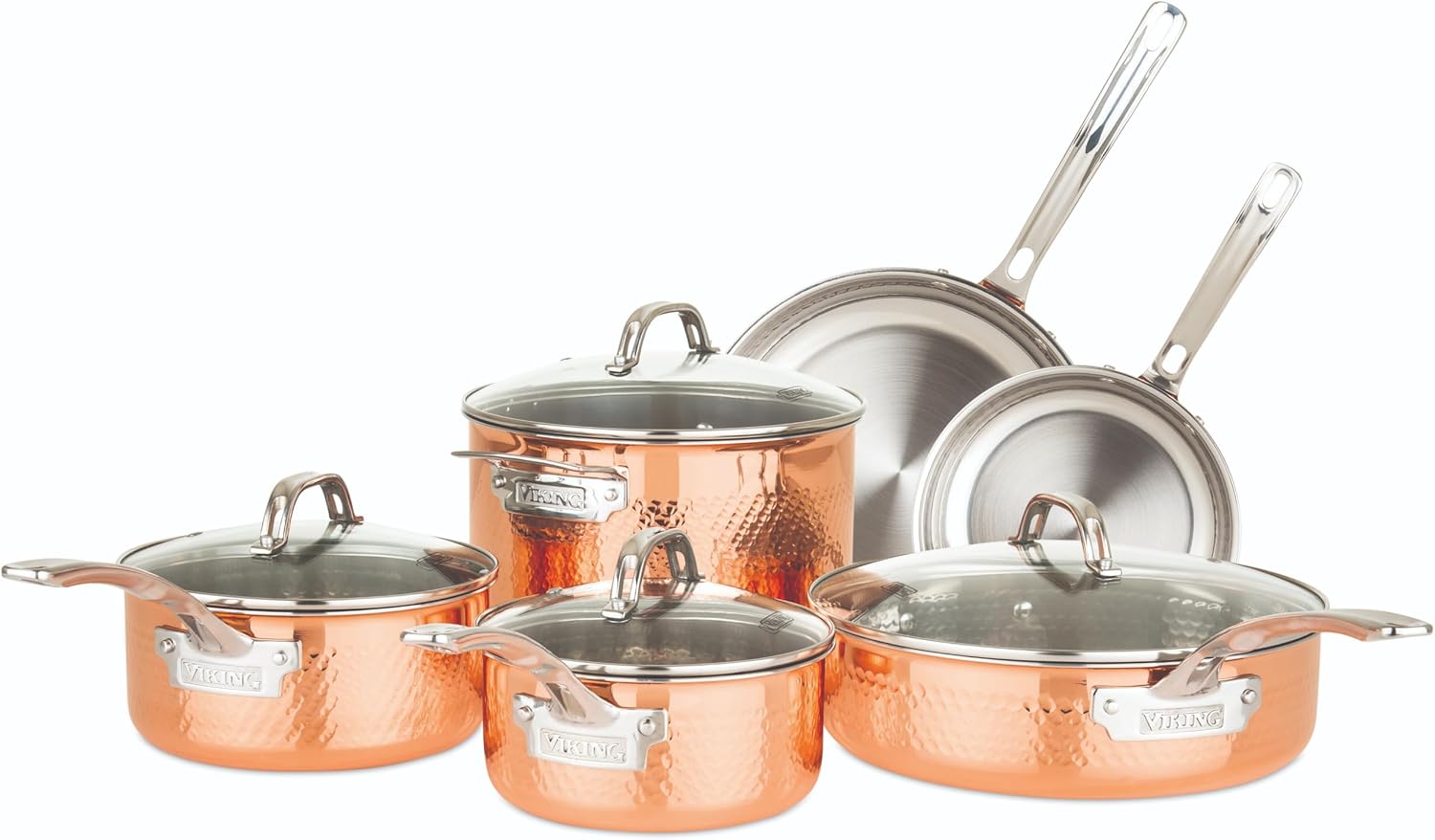
Different multi-ply configurations combine exterior copper finishes, conductive aluminum core layers, and stainless steel cooking interiors to handle diverse cooking tasks. Understanding these bonded metal combinations helps match specific pots and pans to everyday kitchen routines, whether searing protein cuts, simmering delicate reduction sauces, or boiling large batches of ingredients on gas, electric, or induction stovetops.
As an Amazon Associate, StacyLaughs earns from qualifying purchases.
Buying guide
Evaluating Multi-Ply Bonded Construction
Understanding how metal layers bond together helps determine how heat moves across the cooking surface. Tri-ply and five-ply designs sandwich highly conductive metals like copper or aluminum between layers of durable stainless steel. This combination ensures that thermal energy spreads evenly from the center to the rim, reducing hot spots that can scorch delicate sauces.
When selecting pots and pans, examine whether the copper or aluminum core extends fully rim-to-rim or is restricted solely to the bottom base. Full-clad construction offers superior temperature responsiveness up the sidewalls, which benefits recipes requiring consistent side-heating during simmering or reduction steps.
Stovetop Compatibility and Heat Sources
Different kitchen ranges require specific base materials to transfer heat effectively. Induction cooktops rely on magnetic metals, meaning stainless steel exteriors or specialized magnetic bases are mandatory for proper burner engagement. Gas and ceramic cooktops accept almost any bonded metal configuration without restrictive compatibility limitations.
Checking maximum oven temperature ratings is equally important for recipes that transition from a stovetop burner directly into a hot oven. Many stainless-clad collections tolerate high oven heat, but accompanying glass lids often feature lower thermal limits that must be respected during baking or broiling tasks.
Surface Coatings and Material Safety
Choosing between coated nonstick surfaces and uncoated stainless steel interiors depends heavily on personal cooking preferences. Uncoated stainless steel cooking surfaces let pure ingredient flavors shine and allow the use of metal utensils without fear of scratching or flaking applied nonstick coatings during heavy-duty meal prep.
Pots and pans built without chemical coatings require proper preheating and adequate cooking oils to minimize sticking. This traditional approach provides a durable cooking surface that withstands rigorous scrubbing, metal scraping, and repeated dishwasher cycles without degrading over years of regular kitchen use.
Handle Design and Ergonomic Control
Comfortable handle design directly impacts safety and maneuverability when lifting heavy pots filled with liquids. Look for cast or riveted stainless steel handles shaped to fit the hand securely, offering a confident grip when moving pans between counters, sinks, and burners during busy cooking sessions.
Certain handle designs incorporate central cutouts or hollow channels intended to dissipate thermal energy and keep grips cooler on the stovetop. Evaluating handle length, attachment method, and balance points ensures that even larger stockpots remain manageable during daily kitchen workflows.
Lid Styles and Moisture Retention
Fitted lids play a major role in trapping heat, steam, and moisture inside vessels during simmering, boiling, and braising. Domed stainless steel lids offer durability and self-basting capabilities, while transparent glass lids allow cooks to monitor food progress visually without lifting the cover and releasing accumulated heat.
Vented glass lids help prevent accidental boil-overs by allowing excess steam to escape in a controlled manner. Reviewing whether a set includes matching lids for every saucepan and stockpot helps determine overall cooking versatility for steaming vegetables or simmering stocks.
Maintenance Guidelines and Cleanup
Maintaining cookware properly preserves both its appearance and cooking performance over its lifespan. While some stainless-clad sets are engineered for automatic dishwasher cycles, others recommend hand washing to protect exterior metal finishes, hammered textures, or polished decorative coatings from dulling over time.
Following manufacturer instructions regarding cleaning tools and temperature limits prevents thermal shock and surface discoloration. Choosing between low-maintenance dishwasher-safe vessels and decorative copper-finished pieces depends entirely on your household preferences for manual care versus quick cleanup convenience.
Frequently asked questions
Can stainless lined copper cookware be used on induction cooktops?
Compatibility depends entirely on the specific product's exterior metal layer. While traditional solid copper lacks magnetic properties required for induction burners, many modern multi-ply designs incorporate a magnetic stainless steel exterior layer or a bonded induction base that allows them to function properly on induction, gas, and electric cooktops alike.
Are these multi-ply cookware sets safe to use inside an oven?
Most stainless-clad pots and pans are rated for oven use, often tolerating temperatures up to 500 or 600 degrees Fahrenheit. However, users must check individual manufacturer specifications because accompanying components like glass lids frequently feature lower maximum temperature limits, such as 400 or 425 degrees.
Do uncoated stainless steel interiors require special cleaning methods?
Uncoated stainless steel surfaces can handle standard dishwashing or manual scrubbing with scouring pads when food residue builds up. For cookware requiring specific exterior care, such as hammered copper or decorative PVD finishes, hand washing is often recommended to maintain the polished aesthetic and prevent water spotting.
What is the benefit of a full-clad rim-to-rim construction?
Full-clad construction extends the conductive core layers—such as copper or aluminum—all the way from the flat bottom base up through the sidewalls to the rim. This design promotes uniform heat distribution across the entire pan, eliminating hot spots and ensuring consistent cooking performance during simmering or reducing tasks.
Can metal utensils be used safely on stainless cooking surfaces?
Uncoated stainless steel cooking interiors are durable enough to withstand metal spatulas, whisks, and spoons without chipping or flaking. This makes them suitable for cooks who prefer traditional utensils, though checking specific manufacturer guidance remains helpful for sets featuring specialized nonstick interior coatings.