Appliances · Buying Guide
Best Stainless Saute Pan Options for Everyday Home Cooking Decisions
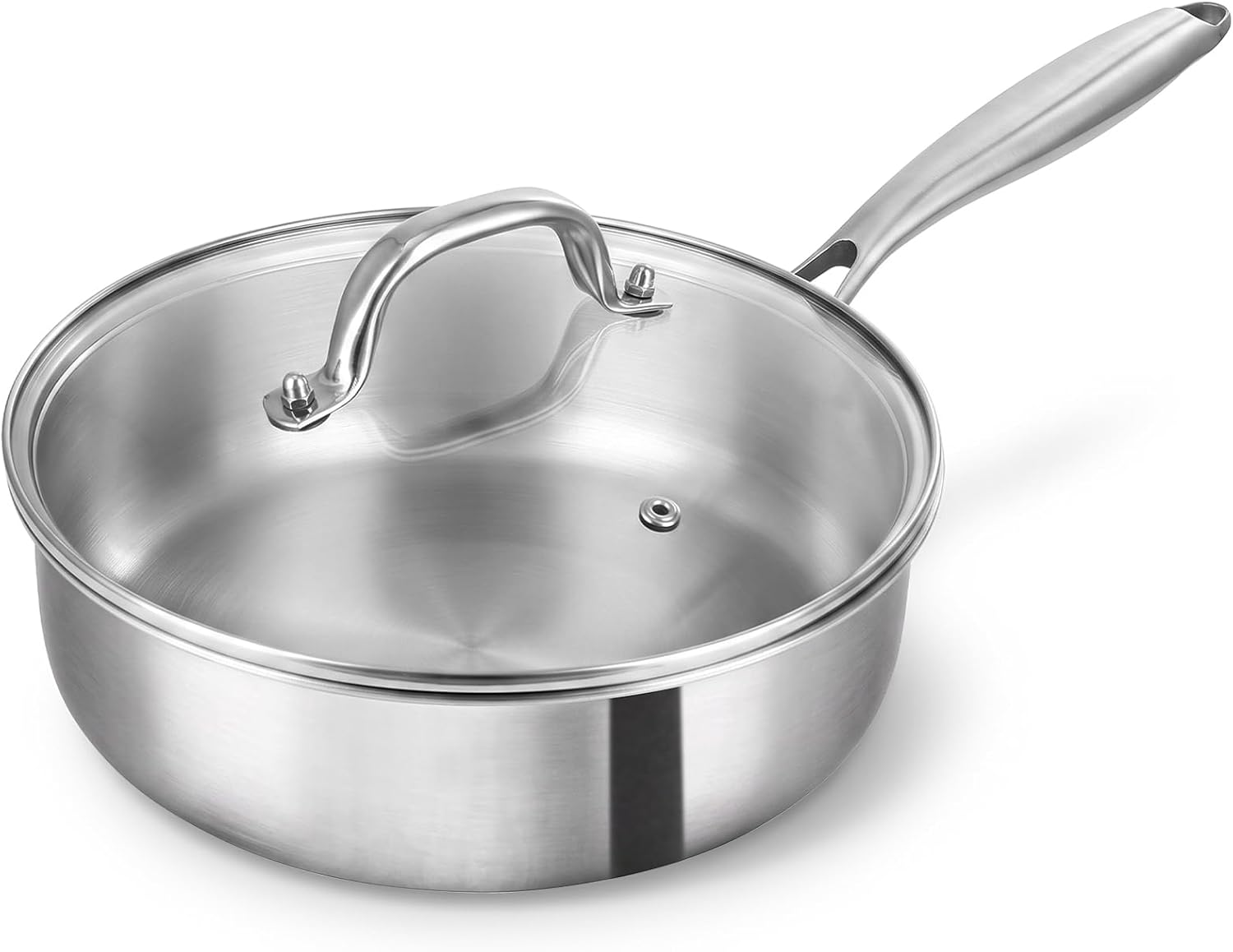
Finding the right cooking vessel transforms how you handle everything from quick weeknight side dishes to elaborate family braises. Stainless steel models offer a reliable, uncoated cooking surface that stands up to heavy metal utensils without wearing down. When shopping for your kitchen, looking closely at core construction, handle configurations, and lid materials helps match a specific pan to your regular cooking routines.
Different capacities and weight distributions change how a pan feels when you carry heavy meals from the stovetop directly into the oven. Reviewing the physical dimensions and heat source compatibility ensures the cookware fits your existing stovetop setup. The selections below highlight distinct stainless options designed to handle varied portion sizes and high-heat cooking tasks effectively.
As an Amazon Associate, StacyLaughs earns from qualifying purchases.
Buying guide
Core Construction and Heat Distribution
Selecting the right stainless steel pan starts with understanding how different metal layers affect thermal performance during everyday cooking tasks. Models featuring bonded aluminum cores sandwiched between durable steel layers offer superior heat distribution compared to basic single-ply alternatives. This multi-ply design prevents localized hot spots that can easily burn delicate sauces or cause uneven browning on proteins.
Buyers should look for full-clad construction where the responsive metal core extends all the way up the sides of the vessel, rather than just resting across the flat bottom. This ensures consistent sidewall heat during complex braising and simmering tasks. Evaluating these foundational layers helps you choose cookware that maintains steady temperatures.
Handle Configurations and Lifting Control
The way handles are attached and shaped directly influences how comfortably you can maneuver a heavy cooking pan filled with hot liquid. Riveted stainless steel handles offer long-lasting physical durability and secure attachment without relying on weak screws. Look for ergonomic designs that stay cool to the touch during normal stovetop use.
For larger capacities exceeding five quarts, auxiliary helper handles or dual loop configurations provide critical physical balance when carrying heavy meal preparations across the kitchen. Pans with single long handles can strain wrists when heavily loaded with food, making secondary grips essential for safe transitions from stovetop to oven.
Capacity Selection and Household Size
Choosing an appropriate pan capacity depends heavily on the volume of food you routinely prepare for your household. Smaller three-quart vessels work exceptionally well for individual side dishes, quick sauce reductions, and compact meal portions. Conversely, larger five to six-quart options accommodate family-sized pasta tosses, bulky vegetables, and multi-portion braised proteins effortlessly during busy weeknights.
Matching the physical pan size to your typical batch requirements prevents overcrowding ingredients, which often leads to unwanted steaming rather than proper browning. Considering your regular menu items ensures you select a cooking vessel that accommodates your ingredients comfortably without occupying excessive storage space in crowded kitchen storage cabinets and pantries.
Stovetop and Oven Compatibility
Modern kitchen setups feature diverse heat sources, making cooktop compatibility a critical purchasing factor for any new stainless steel pan. Quality stainless cookware works seamlessly across gas burners, electric coils, ceramic glass, and smooth induction surfaces equipped with proper magnetic bases. Checking these compatibility specifications prevents frustrating performance issues after your purchase is delivered.
Beyond the stovetop, pay close attention to maximum temperature limits when planning to finish dishes inside a hot oven or broiler. While many metal pan bodies safely withstand high heat up to five hundred degrees, included covers often feature lower glass thresholds requiring careful monitoring during complex baking routines and roasting steps.
Rim Design and Pouring Performance
The shape of a pan rim directly impacts how cleanly you can transfer liquids, sauces, and pan drippings without creating messy countertop spills. Tapered rims or rounded flared edges guide fluid streams smoothly during pouring tasks, minimizing drips down the exterior polished walls. This thoughtful design detail improves everyday kitchen efficiency during busy meal assembly.
Encapsulated or sealed rim designs also protect underlying metal layers from moisture intrusion during high-heat cooking and frequent dishwasher cleaning cycles. Evaluating rim construction helps ensure your cookware maintains its structural integrity and clean appearance over years of regular meal preparation without developing premature edge wear or separation issues over time.
Maintenance and Cleaning Considerations
Uncoated stainless steel surfaces offer exceptional durability against metal utensils, but they require proper cleaning habits to maintain their mirror finish. Allowing hot pans to cool before washing prevents thermal shock warping, while warm soapy water and non-abrasive sponges remove stuck-on food residues effectively. Routine maintenance keeps the metal brightly polished over time.
While many stainless options claim dishwasher safety, improper loading can sometimes scratch polished exterior walls or mar the reflective metal surface during cycles. Hand washing remains a reliable method for preserving the pristine appearance of your cookware, ensuring it continues to perform reliably across countless family meals and cooking sessions without surface damage.
Frequently asked questions
How do I prevent food from sticking to an uncoated stainless steel pan?
Preventing food from sticking to an uncoated stainless steel surface requires proper preheating techniques before adding any ingredients. You should warm the pan thoroughly over medium heat, then test the temperature by sprinkling a few drops of water across the surface. If the water droplets form beads that roll freely without evaporating, the pan is fully preheated. Next, add a thin layer of cooking oil before introducing your food, allowing proteins to sear naturally and release cleanly once the crust forms.
Can I use metal utensils on stainless steel cookware?
Unlike traditional nonstick pans that rely on delicate chemical coatings prone to scratching, uncoated stainless steel cookware features a durable solid metal cooking surface. This robust construction safely accommodates metal spatulas, whisks, and spoons without risking damage to the primary cooking area. However, users should still exercise reasonable care to avoid gouging the polished finish or creating deep surface marring during aggressive scraping tasks across the metal base during meal prep.
Are stainless steel saute pans safe for high-heat oven cooking?
Most stainless steel pan bodies are engineered to withstand high oven temperatures up to five hundred degrees Fahrenheit, supporting seamless stovetop-to-oven roasting and braising routines. However, you must always verify the specific temperature limits of any included lids or handles. Covers featuring tempered glass or specialized components frequently carry lower heat thresholds around three hundred fifty degrees, requiring you to remove or swap the lid before placing the vessel into a hot oven.
Is it safe to put stainless steel pans in the dishwasher?
Many stainless steel cookware models list dishwasher safety in their specifications, but manufacturer care guidelines often recommend hand washing to preserve the exterior finish. Improper loading inside an automatic dishwasher can cause pots and pans to bang against other dishes, resulting in surface scratches or scuffs on polished exterior walls. Washing your cookware by hand using warm soapy water and a soft sponge helps maintain the bright reflective appearance over years of use.
What is the advantage of a tri-ply or encapsulated base?
A tri-ply construction or encapsulated base combines the rapid thermal conductivity of aluminum with the durability and magnetic properties of stainless steel. This layered engineering spreads heat evenly across the entire bottom cooking surface, eliminating hot spots that can scorch delicate sauces or burn food. Furthermore, the responsive core ensures steady temperature retention, giving home cooks precise thermal control whether they are searing proteins, simmering broths, or reducing complex pan sauces.