Appliances · Buying Guide
Best Stainless Steel Lined Copper Cookware for Precise Heat Control
Choosing the right cookware set involves balancing heat distribution, cleaning maintenance, and stovetop compatibility. Many home cooks prefer pots and pans featuring a responsive metal core paired with a durable interior cooking surface. Sourcing multi-layered kitchenware helps manage daily meal preparation without unexpected scorching or uneven hot spots during long cooking sessions, supporting everything from quick weekday breakfasts to elaborate dinners.
Models employing bonded layers—such as copper cores or exterior cladding combined with stainless steel—offer distinct advantages for everyday simmering, searing, and boiling. Evaluating these attributes helps match specific kitchen setups with appropriate cooking tools, ensuring reliable performance across gas, electric, and induction cooktops for various household cooking styles while simplifying cleanup routines after every meal.
As an Amazon Associate, StacyLaughs earns from qualifying purchases.
Buying guide
Material Construction and Metal Layers
Understanding the underlying metal layers helps buyers select cookware that matches their thermal expectations and daily cooking habits. Multi-ply sets often combine stainless steel, aluminum, and copper to balance heat distribution, structural durability, and surface reactivity. Evaluating these bonded combinations ensures that pots and pans respond appropriately to temperature adjustments on the stovetop during complex recipes.
Solid copper offers rapid temperature response, while embedded aluminum cores spread heat evenly across the base and up the sidewalls. Stainless steel linings provide a durable, non-reactive cooking surface suitable for preparing acidic foods without introducing unwanted metallic tastes. Reviewing these structural choices helps prevent scorching and ensures consistent cooking results across various culinary techniques.
Stovetop Compatibility and Heat Sources
Stovetop compatibility determines whether a specific cookware set will function properly with your existing kitchen appliances. Many multi-layer collections support traditional gas, electric coil, and smooth ceramic cooktops reliably without requiring special adapters. Checking these burner requirements before purchasing ensures that your new pots and pans integrate seamlessly into your current kitchen setup without operational hurdles.
Induction cooktops require a magnetic outer layer, meaning certain copper-exterior designs need specialized wrap-around stainless steel bases to function on magnetic burners. Verifying stove requirements prevents purchasing incompatible equipment that fails to heat properly. Reviewing manufacturer guidelines guarantees safe and efficient energy transfer across whichever cooktop type you use daily.
Maintenance and Cleaning Routines
Maintenance requirements vary significantly based on the exterior finish, bonded construction, and protective coatings of each cookware set. Some collections feature fully sealed rims and durable base designs that tolerate automated dishwasher cleaning cycles without experiencing corrosion or pitting over repeated weekly use. Selecting dishwasher-safe options significantly reduces post-meal cleanup effort for busy households.
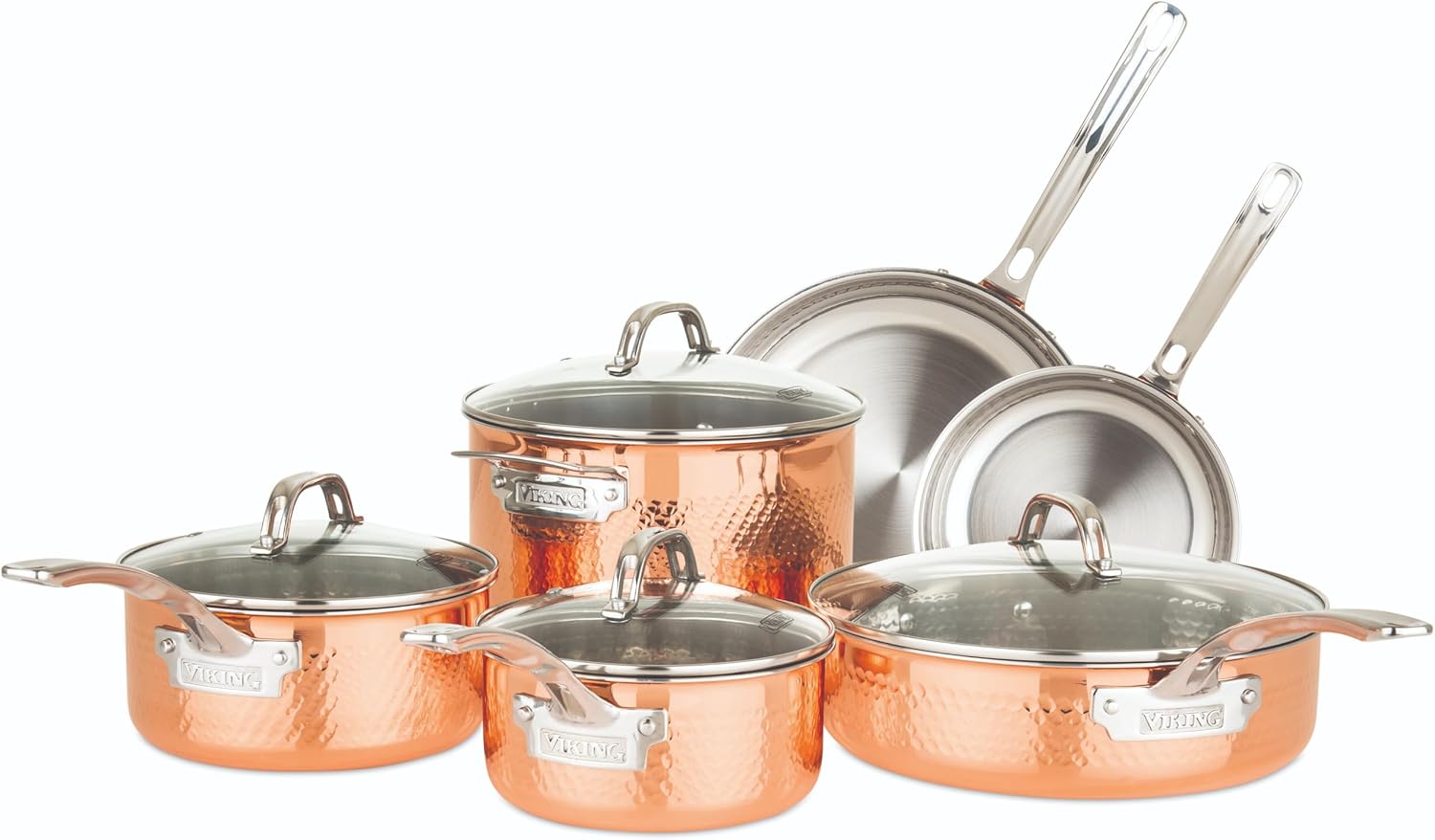
Sets featuring exposed copper or specialized decorative finishes often require careful hand washing and immediate drying with a soft cloth to prevent tarnishing and preserve their polished exterior aesthetic. Balancing your willingness to perform manual upkeep against the convenience of machine washing helps determine the most practical cookware choice for long-term kitchen ownership and daily meal preparation.
Handle Design and Ergonomic Control
Handle design plays a crucial role in providing comfortable control when moving heavy pots and pans around a busy kitchen environment. Riveted stainless steel handles offer secure, permanent attachment that resists loosening over years of lifting and stirring. Evaluating handle placement and contouring ensures a confident grip, especially when transferring heavy vessels filled with hot liquids from burner to countertop.
Some handles incorporate ergonomic shapes or specialized cooling designs to improve comfort during long culinary tasks. Other metal handles may warm up during extended stovetop cooking sessions, requiring protective mitts for safe handling. Reviewing handle construction helps identify products that offer secure lifting without causing hand fatigue.
Piece Count and Set Configuration
Selecting the right piece count depends heavily on the scale of your regular cooking routines and household size. Smaller sets with eight pieces suit single cooks, couples, or minimalist kitchens where cabinet storage space is at a premium. These compact collections still cover basic frying, searing, and boiling tasks effectively without overcrowding your available kitchen shelf space.
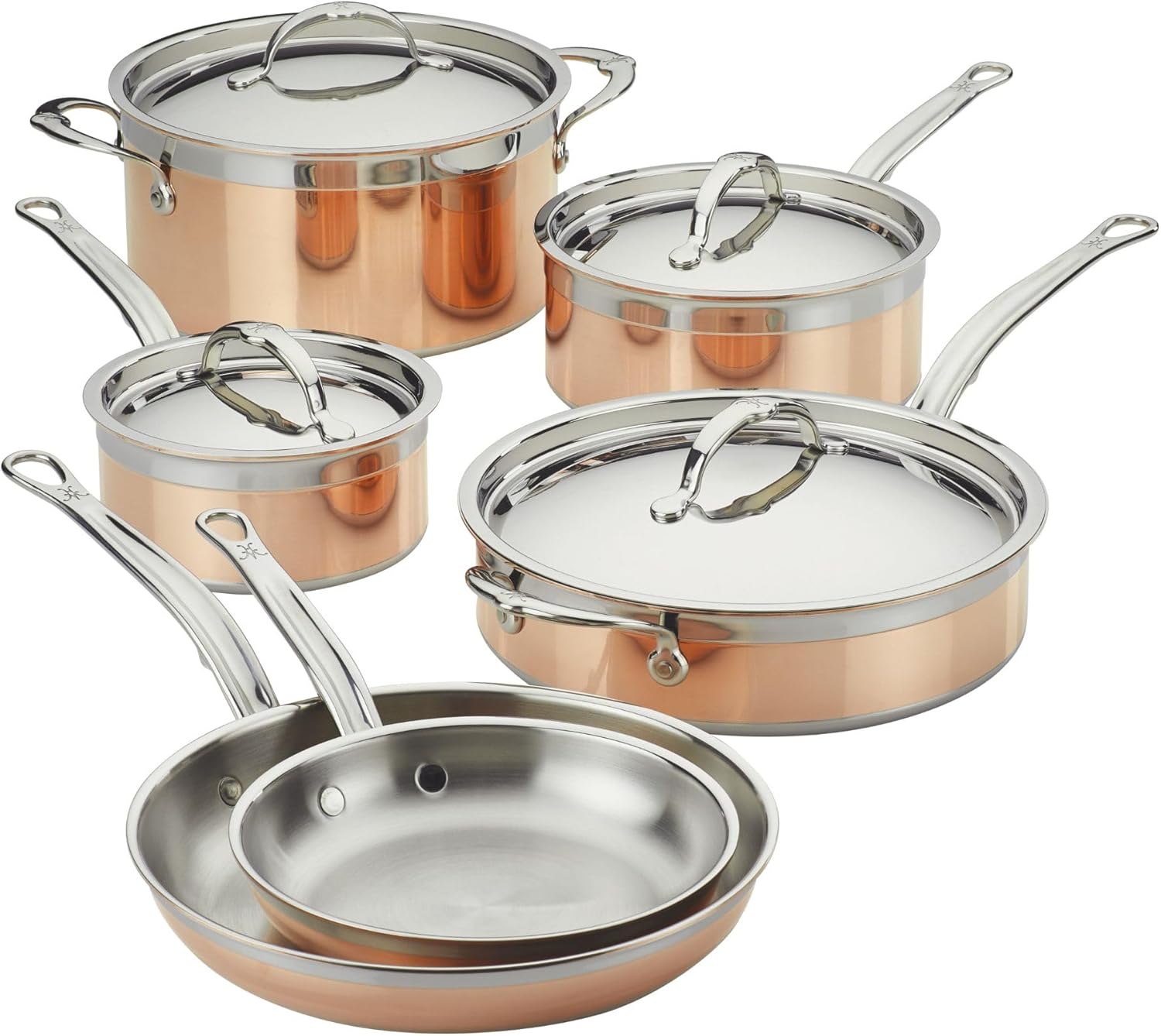
Larger collections containing ten to twelve pieces provide specialized vessels like multiple saucepans, deep saute pans, and large stockpots, easily accommodating complex meal preparation and entertaining dinner guests during major holidays. Assessing your typical menu requirements prevents buying redundant pans or missing essential pot sizes for preparing large family-sized dinners.
Storage and Kitchen Space Management
Managing kitchen space efficiently requires considering how cookware stacks, nests, and stores securely inside kitchen cabinets or on open hanging racks. Pots and pans with well-designed profiles and flared rims allow for tidy organization when not in use, reducing clutter in smaller kitchens. Evaluating storage compatibility helps maintain an orderly cooking environment across busy weeks.
Some modern sets include innovative flush rivets or protective felt pan pads designed specifically to prevent scratching when nesting pots together, while other collections require careful arrangement to protect delicate polished exterior finishes from surface wear. Considering these storage accessories and design features ensures your cookware remains protected between regular cooking sessions.
Frequently asked questions
Can stainless steel lined copper cookware be used on induction cooktops?
Stovetop compatibility depends entirely on the specific manufacturing design of each cookware set. Traditional solid copper cookware lacks the magnetic properties required by induction burners unless it incorporates a specialized magnetic stainless steel base or wrap-around layer. Several modern collections include engineered magnetic bases to ensure proper operation on induction cooktops, alongside traditional gas and electric surfaces. Buyers should always review the manufacturer specifications to confirm induction support before purchasing a set for an induction range.
Do these cookware sets require special cleaning and maintenance?
Cleaning requirements vary based on the exterior materials and protective coatings used in each collection. Sets featuring exposed copper exteriors or specialized finishes generally require manual hand washing and immediate drying with a soft cloth to prevent tarnishing and maintain their polished appearance over time. Conversely, fully clad stainless steel options with sealed rims often tolerate automated dishwasher cleaning cycles without risking corrosion. Checking the manufacturer care guidelines helps determine whether manual upkeep or machine washing is recommended.
What is the benefit of a stainless steel interior in copper cookware?
A stainless steel interior provides a durable, non-reactive cooking surface that allows home cooks to prepare acidic ingredients like tomatoes, citrus, and wine-based sauces without altering pure flavors or causing metal leaching. Unlike bare copper or coated nonstick surfaces, stainless steel resists scratching from metal utensils and does not require chemical coatings that can wear out or chip over time. This combination merges the rapid thermal responsiveness of exterior copper or aluminum cores with the longevity of stainless cooking surfaces.
Are glass lids better than solid metal lids for everyday cooking?
Glass lids and solid metal lids each offer distinct advantages depending on your cooking preferences. Vented glass lids allow cooks to monitor food progress visually without lifting the cover and releasing accumulated heat and moisture, while specialized features like built-in vents help prevent messy boil-overs during simmering tasks. However, solid metal lids or domed stainless covers often handle higher oven temperatures than glass components. Selecting between them depends on whether visual monitoring or maximum heat tolerance is prioritized.
How do multi-ply constructions improve cooking performance?
Multi-ply constructions bond different metals together—such as copper, aluminum, and stainless steel—to harness the individual strengths of each material throughout the pot or pan. An aluminum or copper core spreads thermal energy quickly and evenly from the center to the rim, eliminating localized hot spots that can scorch delicate sauces or meats. Meanwhile, durable outer layers provide structural stability and cooktop compatibility. This bonded layering ensures predictable, even heating behavior across the entire cooking surface during meal preparation.