Appliances · Buying Guide
Best Stainless Steel Non Stick Skillet Options for Daily Cooking
Finding the right cooking equipment involves balancing thermal performance with easy food release. A stainless steel non stick skillet combines the robust structure of metal construction with advanced coatings to simplify everyday meal preparation. Home cooks often look for surfaces that distribute heat evenly while preventing delicate ingredients from adhering to the base during searing or sautéing tasks.
Choosing a specific design depends on your kitchen setup, preferred meal portions, and stovetop type. Options range from compact eight-inch models to expansive twelve-inch family skillets featuring specialized handles, lids, and high-temperature tolerances. Reviewing individual specifications helps match your cooking habits with a pan built for regular stovetop and oven use.
As an Amazon Associate, StacyLaughs earns from qualifying purchases.
Buying guide
Construction and Material Layers
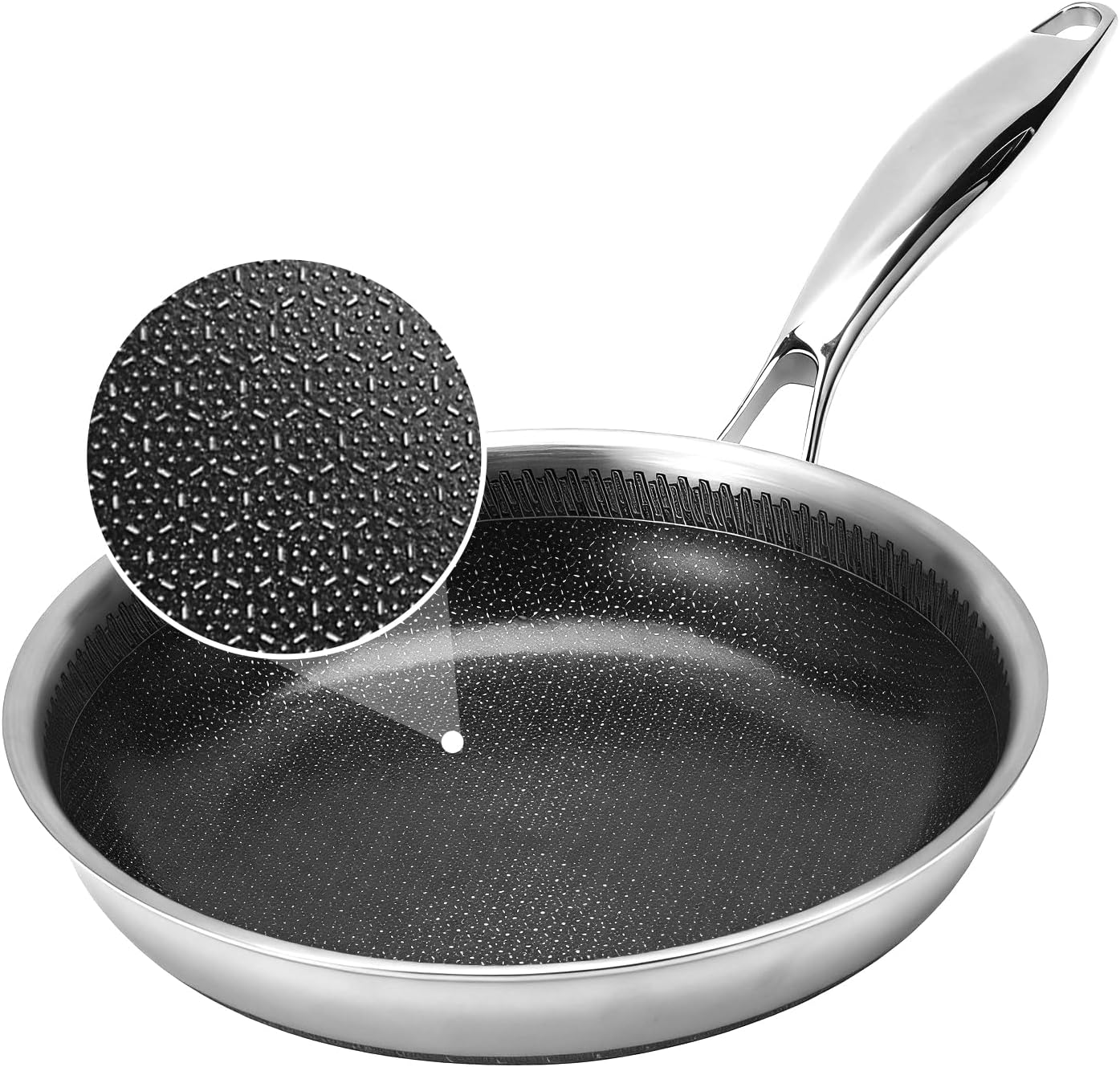
Selecting a suitable cooking pan begins with understanding metal construction types and core layering. Tri-ply clad models fuse a responsive aluminum core between outer layers of durable stainless steel, extending that metal all the way up the sidewalls. This rim-to-rim design eliminates hot spots, ensuring heat spreads uniformly across the entire cooking base for consistent browning and reliable performance during demanding searing tasks.
Such uniform thermal distribution prevents food from burning in isolated spots while remaining undercooked elsewhere. When evaluating your kitchen inventory, look for specifications detailing bonded multi-layer construction rather than simple bottom disks. Full clad builds offer superior structural durability and warping resistance, supporting dependable daily meal preparation across induction, gas, electric, and ceramic cooktops without unexpected performance drops.
Coating Types and Food Release
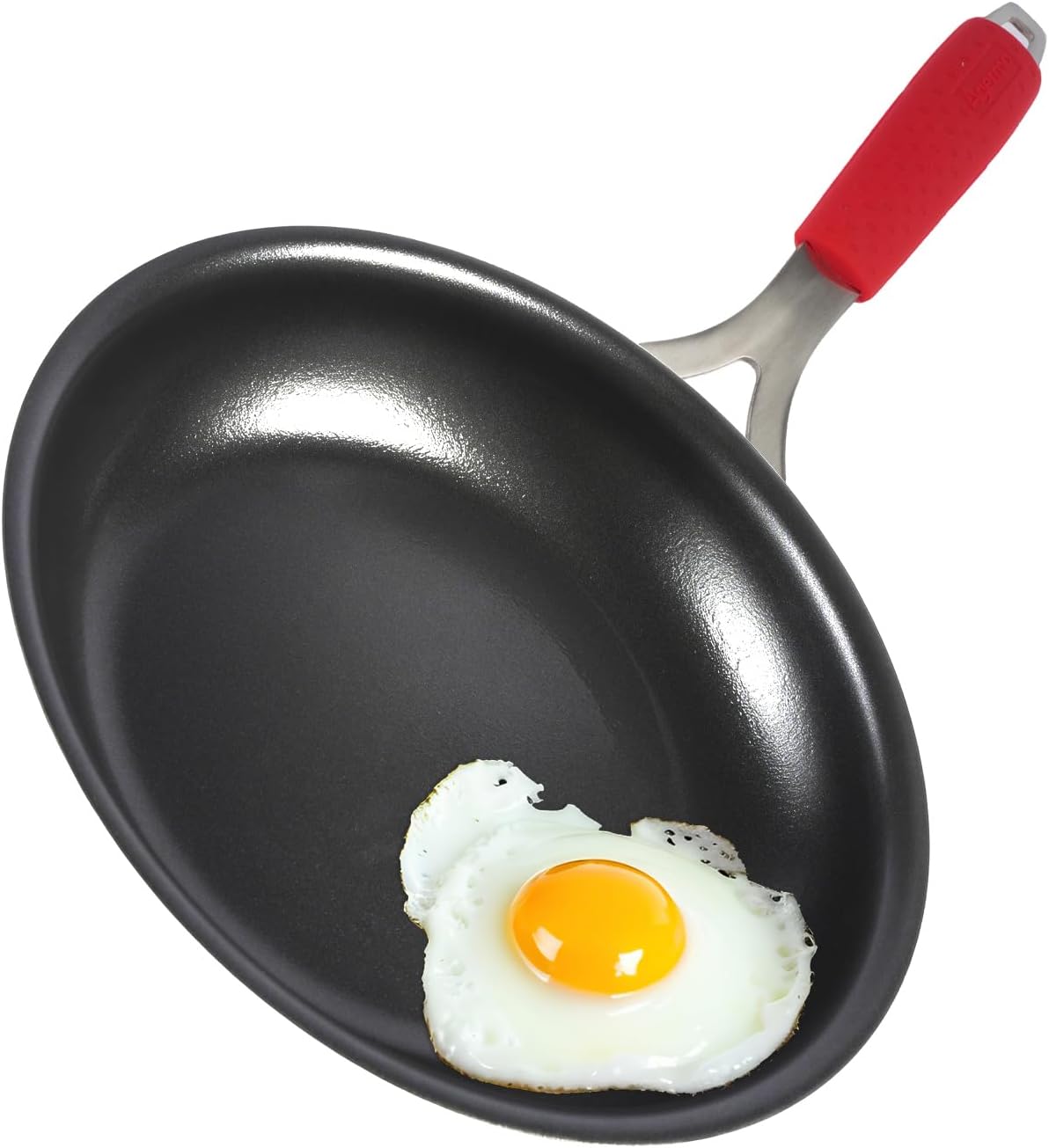
Non-stick surfaces simplify daily cooking by reducing the amount of oil needed for delicate ingredients like eggs and fish. Modern skillets frequently utilize ceramic-coated or reinforced non-stick formulations designed to prevent sticking. These treatments allow food to glide smoothly across the pan surface, making flipping pancakes or searing delicate fish fillets much easier for everyday home cooks.
Reviewing coating specifications helps buyers understand maintenance requirements and heat limitations. Many ceramic and hybrid surfaces require low-to-medium heat settings to preserve their non-stick properties over time. Pairing the correct cooking temperature with recommended cleaning accessories prevents premature wear, ensuring the cooking surface maintains easy food release characteristics through countless family meals and weekly dinner routines.
Size and Capacity Selection
Choosing the correct pan dimensions directly impacts your ability to prepare adequate meal portions without overcrowding the cooking surface. Compact eight-inch or ten-inch models suit single servings, quick breakfast eggs, or side dishes. Meanwhile, twelve-inch skillets provide expansive surface areas for family-sized stir-fries, multiple chicken breasts, and comprehensive one-pan dinners that eliminate the need for repetitive batch cooking rounds.
Capacity measurements in quarts or liters further clarify how much liquid or bulk food a pan can hold safely. Deeper sidewalls prevent splashes when stirring stews or sauces, while wider diameters accommodate larger solid items like steaks. Matching these dimensional attributes to your household size ensures efficient meal preparation and prevents storage headaches in compact kitchen cabinets.
Handle Design and Storage Practicality
Handle construction influences daily cooking comfort, safety, and long-term kitchen storage organization. Riveted stainless steel handles provide a secure, permanent attachment that remains stable during heavy stirring and transport. Many designs incorporate ergonomic contours or stay-cool properties to protect your hands from stovetop heat during extended cooking sessions involving high-heat searing or prolonged simmering tasks.
For kitchens with limited cabinet space, detachable handles offer significant practical advantages by transforming bulky pans into flat, easily stacked profiles. Removable handle mechanisms let you store skillets in tight RV compartments or narrow shelving units. When shopping, consider whether you prefer permanent riveted stability or the compact storage flexibility provided by modular, detachable handle configurations.
Heat Tolerance and Cooktop Compatibility
Stovetop versatility ensures your cookware adapts to various kitchen ranges, including induction, gas, electric, and smooth glass surfaces. Induction-compatible bases require magnetic outer layers, so verifying compatibility prevents operational issues on modern induction cooktops. Additionally, check maximum temperature limits if you plan to move pans directly from the burner into a hot oven for roasting or finishing meats under broiler elements.
High heat tolerances ranging from 400 to 600 degrees Fahrenheit expand your culinary repertoire to include baking cornbread, roasting vegetables, and searing steaks. However, always check manufacturer notes regarding accessories like silicone sleeves or glass lids before exposing the entire assembly to extreme oven heat. Following these temperature boundaries protects your investment and ensures safe, dependable performance across diverse cooking environments.
Maintenance and Long-Term Care
Proper maintenance routines extend the working lifespan of non-stick and stainless steel cookware significantly. While many modern skillets feature dishwasher-safe construction for effortless cleanup, manufacturers often recommend gentle hand washing with soft sponges to protect delicate ceramic coatings. Avoiding metal utensils and abrasive scrubbing pads prevents surface scratches, preserving the smooth release qualities of your pan over years of regular use.
Temperature management also plays a vital role in routine care, particularly avoiding sudden thermal shock from plunging hot pans into cold water. Allowing cookware to cool naturally before washing prevents warping and protects bonded metal layers. Adhering to these straightforward maintenance practices keeps your skillet functioning reliably, ensuring consistent non-stick performance for everyday breakfast scrambles, family dinners, and weekend baking projects.
Frequently asked questions
Can I use metal utensils on these non-stick stainless steel skillets?
Using metal utensils on coated non-stick cooking surfaces generally risks scratching or damaging the protective layer over time. Most manufacturers recommend employing wooden, silicone, or plastic tools to preserve the smooth non-stick finish. While the underlying stainless steel construction is durable enough for metal tools, the specialized ceramic or non-stick coatings require gentle treatment to maintain easy food release properties. Sticking to non-scratch utensils ensures your skillet retains its slippery surface for eggs, pancakes, and delicate foods through extended daily use.
Are these skillets safe for induction cooktops?
Most modern stainless steel hybrid and tri-ply clad skillets feature magnetic outer layers designed for full compatibility with induction cooktops, along with gas, electric, and smooth ceramic ranges. The induction base relies on magnetic conductivity to generate fast, even heat directly within the pan. However, checking specific product specifications before purchasing remains important to confirm induction readiness. When compatible, these pans distribute heat rapidly across the cooking surface, preventing hot spots and ensuring reliable performance across diverse stovetop setups.
Can I put my non-stick skillet directly into the oven?
Many stainless steel non-stick skillets support oven use, with maximum temperature limits typically ranging from 400 up to 600 degrees Fahrenheit depending on the specific model. This high heat tolerance allows you to sear a steak on the stovetop and finish cooking it inside the oven. Always verify the exact temperature threshold and check for removable components like silicone handle sleeves or glass lids, which may have lower heat limits and require detachment before baking or broiling.
How should I clean my hybrid ceramic skillet after cooking?
Cleaning procedures vary slightly by model, but most options offer dishwasher-safe convenience for everyday cleanup. However, many manufacturers recommend hand washing with a soft sponge and mild detergent to maximize the lifespan of ceramic non-stick coatings. Always allow the pan to cool completely before washing to avoid thermal shock, and avoid harsh abrasive scrubbers. Following these simple care guidelines prevents residue buildup and protects the exterior finish, keeping your cookware ready for the next meal preparation task.
What are the benefits of tri-ply stainless steel construction?
Tri-ply stainless steel construction involves fusing a responsive aluminum core between durable outer layers of stainless steel that extend from the base all the way up the sidewalls. This rim-to-rim design eliminates localized hot spots, ensuring heat distributes quickly and uniformly across the entire cooking surface. The stainless steel exterior resists warping and corrosion, while the inner metal core delivers precise temperature control. This robust architecture supports consistent browning, rapid heating, and long-lasting durability for everyday family cooking.