Appliances · Buying Guide
Best Stainless Steel Wok Flat Bottom Options for Everyday Cooking
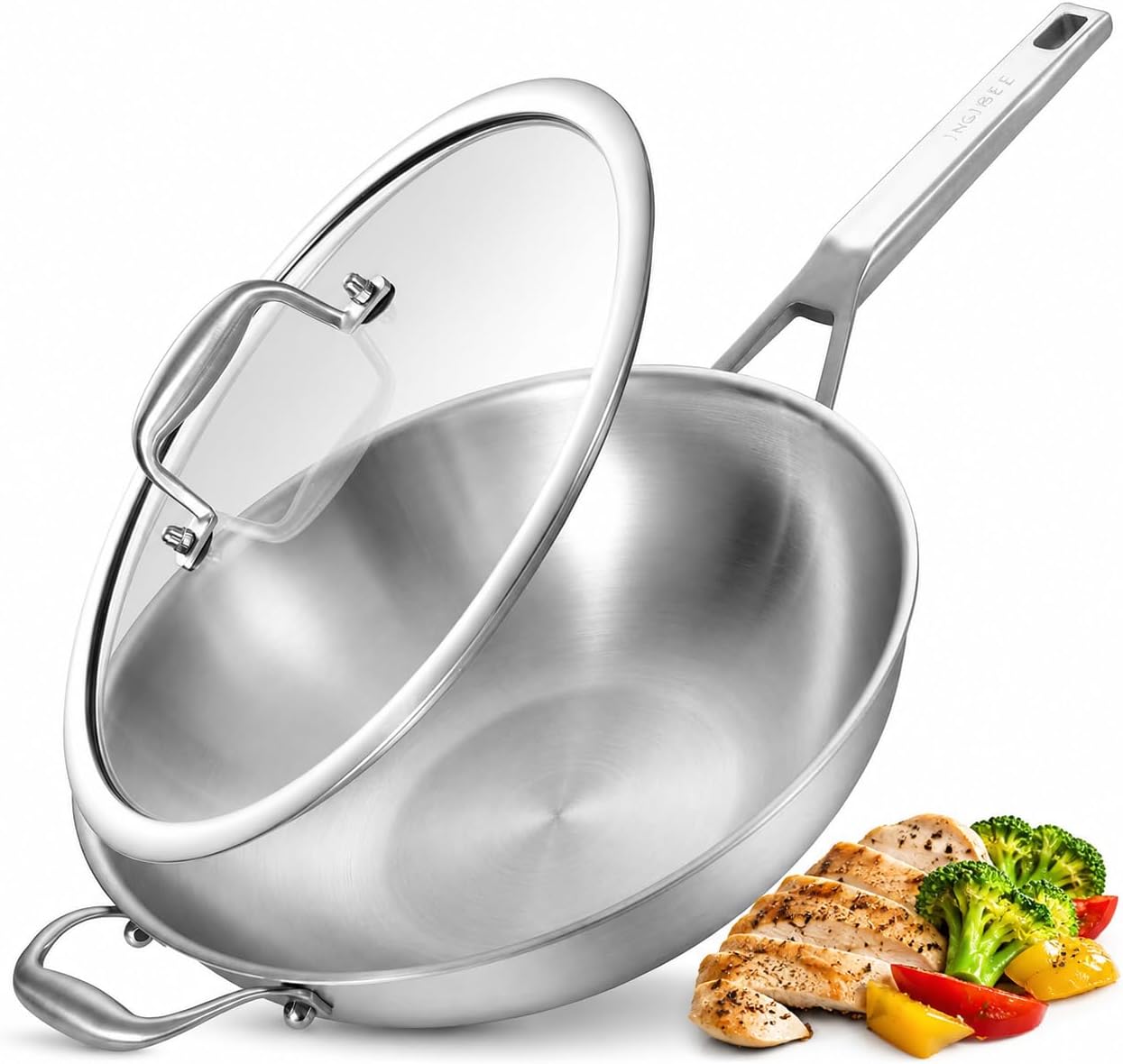
Finding the right cookware for high-heat stir-frying and family meals requires looking closely at core materials and construction methods. A stainless steel wok flat bottom design offers the stability needed for modern stovetops, successfully bridging traditional wok cooking with contemporary kitchen setups. These versatile pans handle everything from searing meats to tossing large batches of vegetables with absolute ease.
Manufacturers build these cooking tools using multi-layer metals and durable thermal cores to handle rapid heating without warping under intense flames. Exploring different diameters, removable handles, and lid inclusions helps match a pan to specific household routines, ensuring reliable performance across daily recipes, simmering sauces, and multi-step cooking sessions in any home kitchen.
As an Amazon Associate, StacyLaughs earns from qualifying purchases.
Buying guide
Material and Construction
Choosing the right stainless steel wok requires understanding core construction methods. Multi-ply metal configurations combine conductive aluminum cores with durable outer steel layers to deliver rapid and even heat distribution across the cooking base. This advanced engineering ensures that heat travels smoothly from the center to the edges, preventing uneven cooking during high-temperature stir-frying and searing sessions.
This robust thermal setup effectively eliminates frustrating hot spots that can easily burn delicate ingredients. Home cooks should always look for heavy-gauge builds that resist warping under intense burner flames, ensuring long-term durability in daily kitchen environments. Evaluating these foundational metal layers guarantees that your cookware will maintain its structural integrity through years of frequent culinary use.
Base Design and Stovetop Compatibility
A flat bottom design is essential for modern kitchens equipped with induction, electric, or glass cooktops. Unlike traditional round-bottom woks that require specialized support rings, flat-base models sit directly on burners to maximize thermal contact. This direct contact improves heating efficiency and prevents the pan from rocking or sliding around during vigorous ingredient tossing and stirring sessions.
Checking compatibility specifications ensures the wok functions safely across your specific appliance type without scratching glass surfaces. A well-engineered flat base maintains stable contact even as metal expands under high heat. Prioritizing this stability lets you cook with confidence, knowing your pan remains secure whether you use gas flames or modern induction cooktops daily.
Handle Configurations and Storage
Handle design significantly impacts daily comfort, maneuvering safety, and cabinet storage space. Long primary handles keep hands away from intense heat sources, while helper handles provide essential support for lifting heavy portions. Some models feature detachable handles that simplify storage in crowded cupboards and allow the pan to transition directly into household ovens for broiling tasks.
Evaluating your available kitchen storage helps determine whether a fixed dual-handle setup or a removable handle works best. Riveted joints offer permanent stability, though rivetless interiors prevent food buildup during cleaning. Balancing handle length with your cabinet dimensions ensures easy organization without sacrificing control during heavy cooking tasks.
Capacity and Dimensions
Selecting the appropriate capacity depends heavily on your typical household size and the types of meals you prepare. Diameters ranging from twelve to thirteen inches provide generous surface areas for family-sized portions of stir-fry, noodles, and vegetables. Deeper sidewalls contain ingredients securely during vigorous tossing, preventing oil splatters from reaching your kitchen counters.
While larger capacities accommodate big weekend dinners, they also require more storage space and weigh significantly more when full. Matching the pan diameter to your typical portion sizes prevents unnecessary lifting strain. Careful consideration of depth and volume ensures your wok handles everyday meals efficiently without feeling oversized or clumsy.
Surface Finish and Maintenance
Uncoated stainless steel surfaces offer a durable cooking area completely free of synthetic chemicals, PFOA, or PFOS. Achieving effortless food release on these raw metal surfaces relies on proper preheating techniques and applying oil before adding ingredients. Brushed or polished finishes maintain their professional appearance when paired with standard dishwasher cleaning routines or manual washing.
Understanding how to season and preheat your pan prevents starchy foods from sticking during delicate cooking tasks. Stainless steel withstands metal utensils and aggressive scrubbing without degrading, making maintenance straightforward compared to coated alternatives. Embracing these basic surface care habits ensures dependable performance and lasting shine across years of regular kitchen use.
Oven Compatibility and Temperature Limits
Many stainless steel woks transition seamlessly from stovetop burners to high-temperature home ovens for versatile cooking applications. Checking the manufacturer maximum temperature rating is vital, as limits typically range from five hundred up to nine hundred degrees Fahrenheit depending on the model. This high-heat tolerance allows you to finish dishes, sear meats, or broil casseroles directly in the pan.
Removable handles or all-metal construction often dictate whether a wok can enter the oven safely without damage. Ensuring your chosen model matches your intended baking or broiling requirements expands your culinary options. Reviewing these temperature limits prevents accidental warping or component failure during high-heat baking routines.
Frequently asked questions
How do you prevent food from sticking to an uncoated stainless steel wok?
Preventing food from sticking on an uncoated stainless steel wok requires a simple preheating method before adding any ingredients. Place your pan over medium heat for about two minutes until water droplets dance across the metal surface. Once heated properly, pour in your cooking oil and swirl it around to coat the bottom before adding your vegetables or meats. This technique creates a temporary non-stick barrier through thermal expansion. Using proper preheating routines transforms raw steel into a reliable, easy-release cooking surface for daily meals.
Can a flat bottom stainless steel wok be used on an induction cooktop?
Yes, a flat bottom stainless steel wok with a multi-ply or magnetic metal core works exceptionally well on induction cooktops. The flat base establishes direct, flush contact with the glass surface, allowing the electromagnetic field to heat the pan efficiently and evenly. This stability prevents the rocking motion common with traditional round-bottom woks. Always verify that your specific pan features a compatible conductive layer in the base to ensure optimal heating performance across modern induction burners.
Are stainless steel woks safe to clean in the dishwasher?
Most stainless steel woks feature dishwasher-safe construction, allowing for convenient cleanup after preparing messy family meals. The durable metal layers withstand dishwasher detergents without rusting or degrading over time. However, checking manufacturer guidelines remains important, especially if your model includes specialized detachable handles or accessory components. While machine washing offers great convenience, hand washing with mild soap and warm water can also help preserve the brilliant exterior polished or brushed shine through years of regular kitchen use.
What is the benefit of a tri-ply construction in a wok?
A tri-ply construction sandwiches a highly conductive aluminum core entirely between two layers of professional-grade stainless steel. This advanced design delivers rapid, edge-to-edge heat conductivity across the entire cooking surface, eliminating frustrating hot spots that can burn your food. The outer steel layers provide durability and warp resistance under intense stovetop flames. Together, these bonded metals ensure that your meats sear evenly and your vegetables toss smoothly, offering consistent performance whether you are stir-frying, simmering, or searing ingredients.
How do detachable handles improve wok storage?
Detachable handles significantly improve wok storage by reducing the overall footprint of the pan, allowing it to fit easily into crowded kitchen cupboards and tight shelf spaces. Long handles often take up unnecessary room, making standard cabinet organization difficult. By simply removing the handle, you transform a bulky piece of cookware into a compact, easily stackable base. This feature also provides the added benefit of enabling safe transition into domestic ovens for high-heat broiling tasks without awkward handle clearance issues.