Appliances · Buying Guide
Best Staub Braiser with Glass Lid for Everyday Kitchen Meals
Finding the right cookware for daily family dinners requires balancing heat distribution with easy monitoring. Cast iron vessels paired with specialized lids offer unique capabilities for home cooks seeking reliable performance across various stovetops. Selecting a heavy-duty vessel helps maintain steady temperatures during long braising sessions, ensuring meats and vegetables cook evenly without constant adjustments or intense oversight.
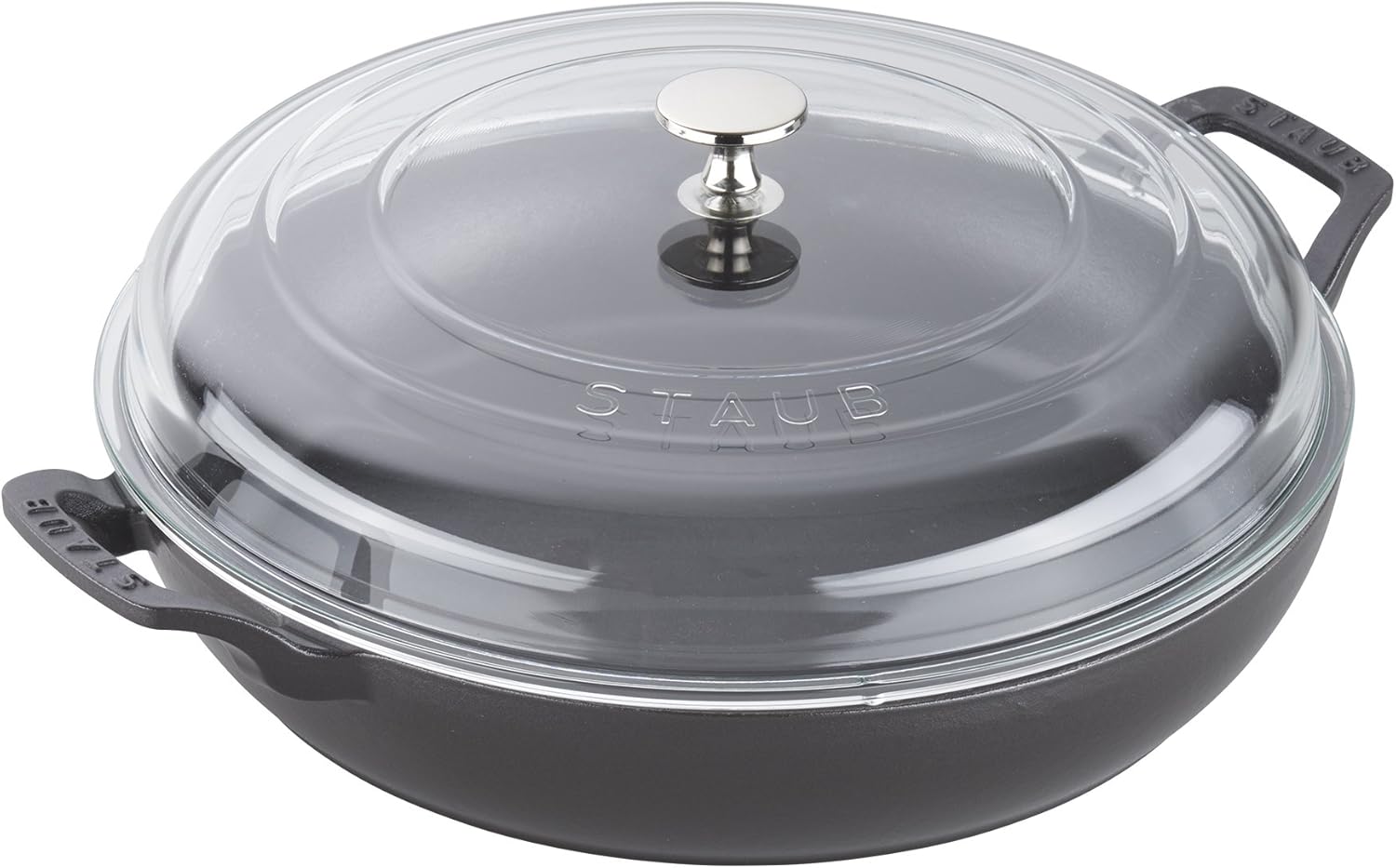
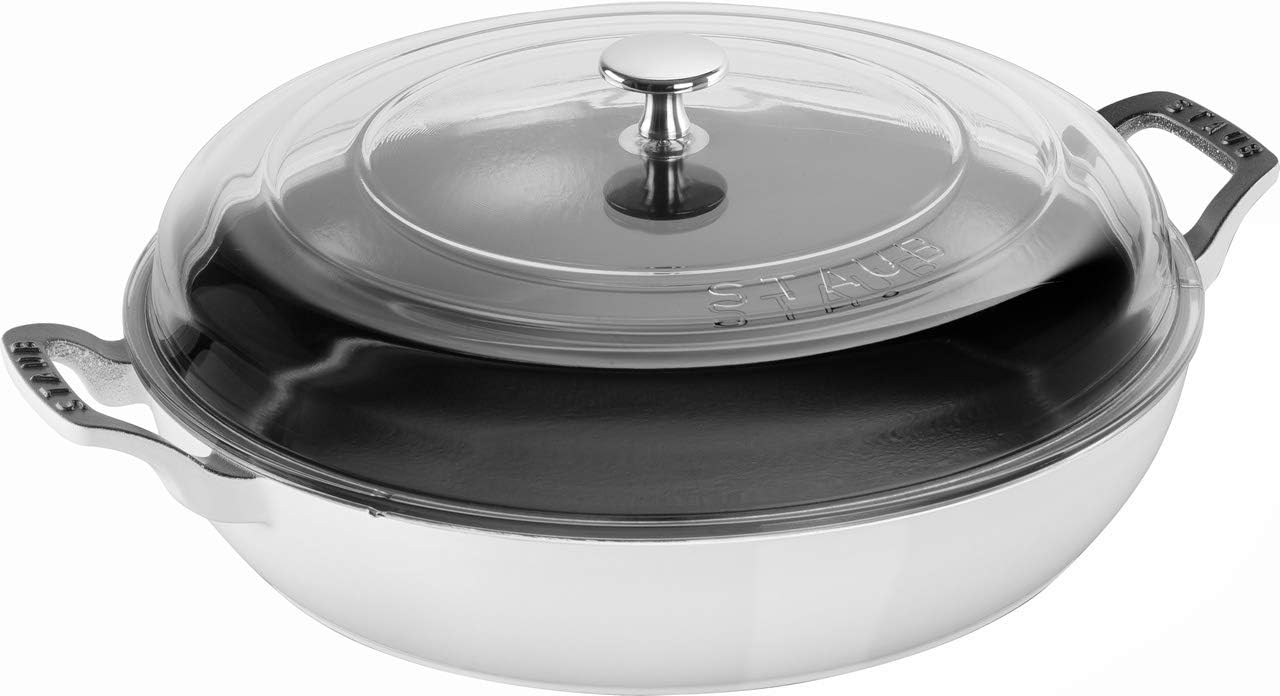
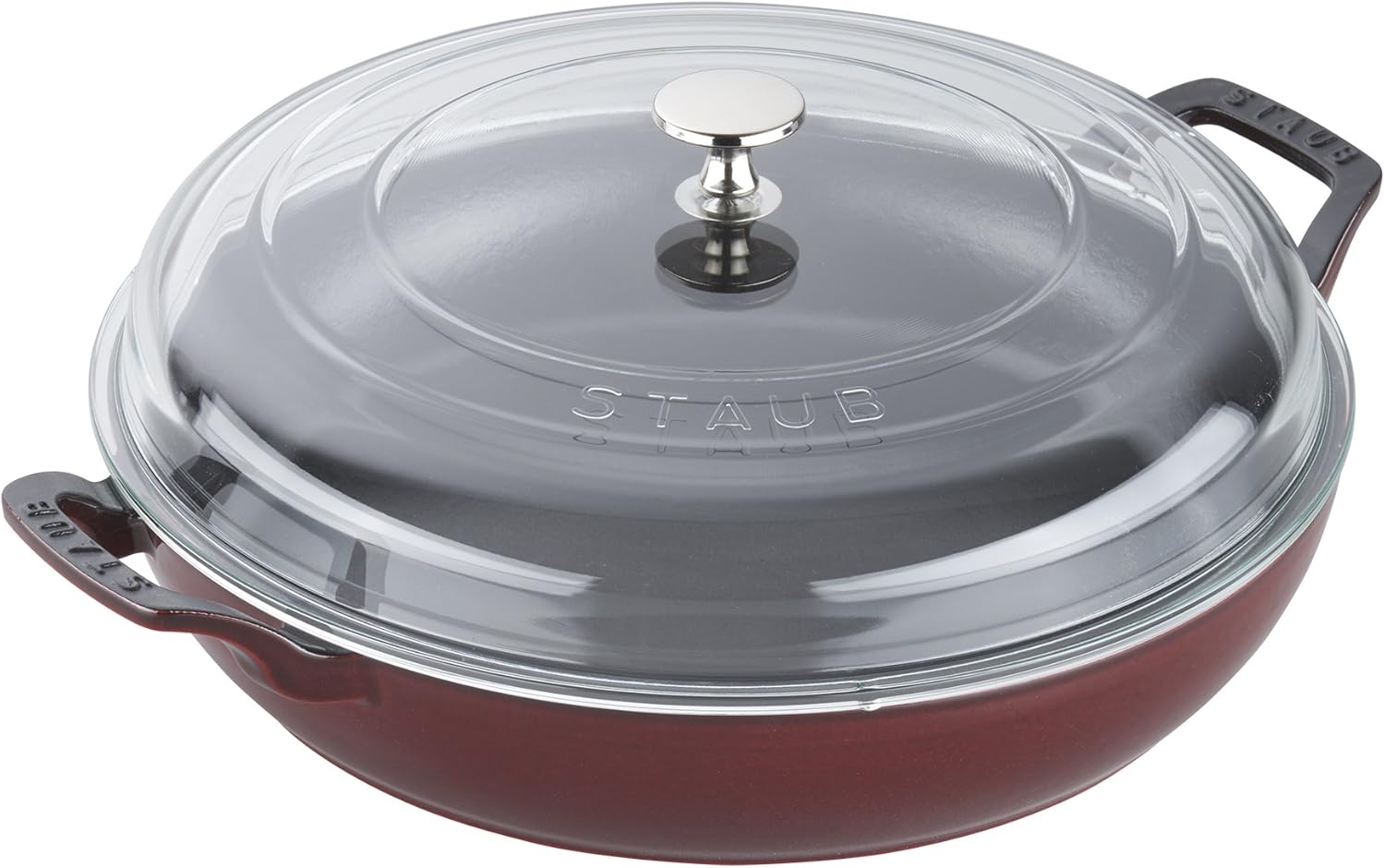
Exploring options like a staub braiser with glass lid provides distinct advantages for browning, simmering, and roasting various ingredients. These French-made pieces combine durable materials with practical designs to handle everyday cooking tasks efficiently. Understanding how enamel interiors, lid shapes, and overall capacities influence your daily meal preparation makes it easier to choose a configuration that matches your specific household needs.
As an Amazon Associate, StacyLaughs earns from qualifying purchases.
Buying guide
Capacity and Household Size
Choosing the correct capacity ensures your meals come together without overcrowding the cooking surface or leaving your guests wanting more. A 3.5-quart vessel handles meals for small households efficiently, making it simple to prepare weeknight dinners, soups, and stews. When evaluating your daily cooking habits, consider how many people you typically serve and whether you prefer having leftover portions for lunch the next day.
Matching the pot size to your typical recipes prevents ingredients from spilling over the rim during vigorous simmering or stirring. Smaller capacities heat up faster and fit more comfortably inside standard ovens and refrigerators. Reflecting on your favorite braised dishes helps determine if a compact footprint satisfies your culinary routines or if scaling down requires more frequent cooking sessions throughout the busy week.
Material Construction and Heat Retention
Cast iron remains a premier material for cookware due to its unmatched ability to retain and distribute heat evenly across the entire base. This thermal stability prevents hot spots that can burn delicate sauces or unevenly cook seared meats. Selecting a heavy-duty cast iron body means your braiser will maintain a steady temperature even when you add cold ingredients directly from the refrigerator into the hot pot.
While cast iron takes slightly longer to warm up initially, it compensates by keeping food warm long after the burner is turned off. Enameled coatings eliminate the traditional need for seasoning while protecting the iron from rust and chemical reactions with acidic foods like tomatoes. Understanding this material trade-off helps you appreciate the consistent browning results achieved during long, slow braising processes without requiring intensive maintenance routines.
Interior Enamel Finishes and Browning
The interior surface of your braiser plays a critical role in how well you can sear meats and develop deep flavors for stews. Textured black matte enamel provides a slightly rough microscopic surface that grips oils and promotes exceptional browning performance. Unlike slick, glossy interiors, this matte finish handles high-heat searing effectively and builds a rich fond that forms the flavorful base of complex gravies and sauces.
Because this matte enamel does not require seasoning, you can start cooking immediately without spending hours preparing the metal surface. Cleaning up after a hearty meal is straightforward since the enamel resists sticking and tolerates standard washing methods. Evaluating interior textures ensures you select a vessel that prioritizes browning efficiency over purely decorative glossy surfaces that may struggle with aggressive searing tasks.
Lid Design and Moisture Control
A tight-fitting lid is essential for trapping steam and returning condensed moisture back onto your ingredients during long cooking cycles. Domed glass lids offer a distinct advantage by providing extra vertical clearance for bulky roasts while allowing you to monitor progress without lifting the cover. This visibility helps you gauge liquid levels accurately and keeps heat locked firmly inside the vessel throughout the simmering process.
Glass construction lets you check on simmering stews instantly, preventing unnecessary heat loss from frequent lid removal. When combined with a heavy rim, the cover forms a secure seal that concentrates flavors and keeps braised meats tender. Considering how you prefer to monitor your food helps clarify whether a transparent domed lid fits your cooking style better than traditional heavy metal covers.
Stovetop Compatibility and Oven Safety
Modern kitchen setups often feature a mix of gas, electric, and induction cooktops, making universal compatibility a vital purchasing criterion. A smooth enameled bottom ensures the braiser sits flat and conducts heat efficiently across induction coils, glass cooktops, and open flames. Checking these surface requirements prevents compatibility issues that can limit where you use your cookware within the kitchen.
Beyond stovetop use, evaluating temperature ratings determines how easily the vessel transitions from browning on the burner to roasting inside a hot oven. High thermal limits allow you to finish casseroles and braises at elevated baking temperatures safely. Reviewing these structural specifications ensures your cookware can handle multi-step recipes that require moving seamlessly between different heat sources without damaging handles or lids.
Storage and Handling Considerations
Heavy cookware demands careful physical consideration regarding how you lift, maneuver, and store wide kitchen vessels. A wide profile with dual side handles requires ample cabinet clearance and strong grip stability when moving heavy, liquid-filled pots from the stove. Assessing your available storage space beforehand prevents frustrating moments when a bulky braiser fails to fit onto standard kitchen shelves.
Managing the weight of cast iron means utilizing both hands and wearing sturdy mitts whenever you transfer hot dishes to the dining table. While dishwasher safety simplifies cleanup, the sheer physical heft of the piece requires deliberate placement inside dish racks. Balancing these practical handling factors ensures you select a durable piece of cookware that integrates smoothly into your daily kitchen routine.
Frequently asked questions
Do enameled cast iron braisers require seasoning before use?
Enameled cast iron cookware does not require any seasoning before you use it for cooking. The manufacturing process coats the raw iron in a protective porcelain enamel layer, which seals the metal entirely and prevents rust. The textured black matte interiors found on these braisers are specifically designed to be ready straight out of the box, offering fantastic browning capabilities without oil curing. You can simply wash the vessel with warm soapy water, rinse it thoroughly, and begin preparing your favorite meals immediately.
Can I use a cast iron braiser on an induction cooktop?
Cast iron is inherently magnetic, making it exceptionally well-suited for induction cooktops. The smooth enamel bottoms on these braisers ensure full contact with induction surfaces, allowing magnetic fields to generate heat quickly and evenly across the base of the pan. When cooking on induction, it is still wise to heat the vessel gradually on medium settings to prevent thermal shock, ensuring the enamel and iron expand at a uniform rate before you introduce high temperatures or sear meats.
Are glass lids safe to use inside a hot oven?
Glass lids included with high-end enameled cast iron cookware are engineered to withstand specified oven temperatures safely, often up to five hundred degrees Fahrenheit. The tempered glass construction handles high ambient heat inside baking environments without cracking, allowing you to transition your braiser from stovetop simmering directly into the oven for roasting. Always verify the maximum temperature rating of your specific lid model before baking, and avoid placing hot glass covers onto cold surfaces to prevent thermal shock.
How should I clean my enameled cast iron braiser after cooking?
Cleaning your enameled cast iron braiser is straightforward because the smooth and textured enamel surfaces resist food sticking. Many models are certified dishwasher safe, though washing the vessel by hand with warm water and mild dish soap helps preserve the exterior finish over years of regular use. If stubborn food residue remains after cooking sticky sauces, let the pot soak in warm soapy water for a short time before gently scrubbing with a non-metal brush or sponge to protect the protective enamel coating.
What is the ideal serving capacity for a 3.5-quart braiser?
A 3.5-quart capacity is generally ideal for preparing meals that comfortably serve between two and four people. This size provides enough room to brown chicken thighs, simmer vegetable soups, or braise small roasts without overcrowding the cooking area. If you frequently cook for large family gatherings or enjoy preparing massive batch meals for the entire week, a compact 3.5-quart vessel might feel too small, requiring you to scale down recipes or cook multiple batches to feed a crowd.