Appliances · Buying Guide
Best Staub Braiser With Lid Options For Every Kitchen
Choosing the right cookware transforms everyday meal preparation, especially when you want reliable heat distribution and effortless browning for meats and vegetables. Enameled cast iron offers remarkable durability and aesthetic appeal, making it a reliable staple for home cooks who appreciate versatile kitchen tools and dependable performance across multiple cooking methods every single day.
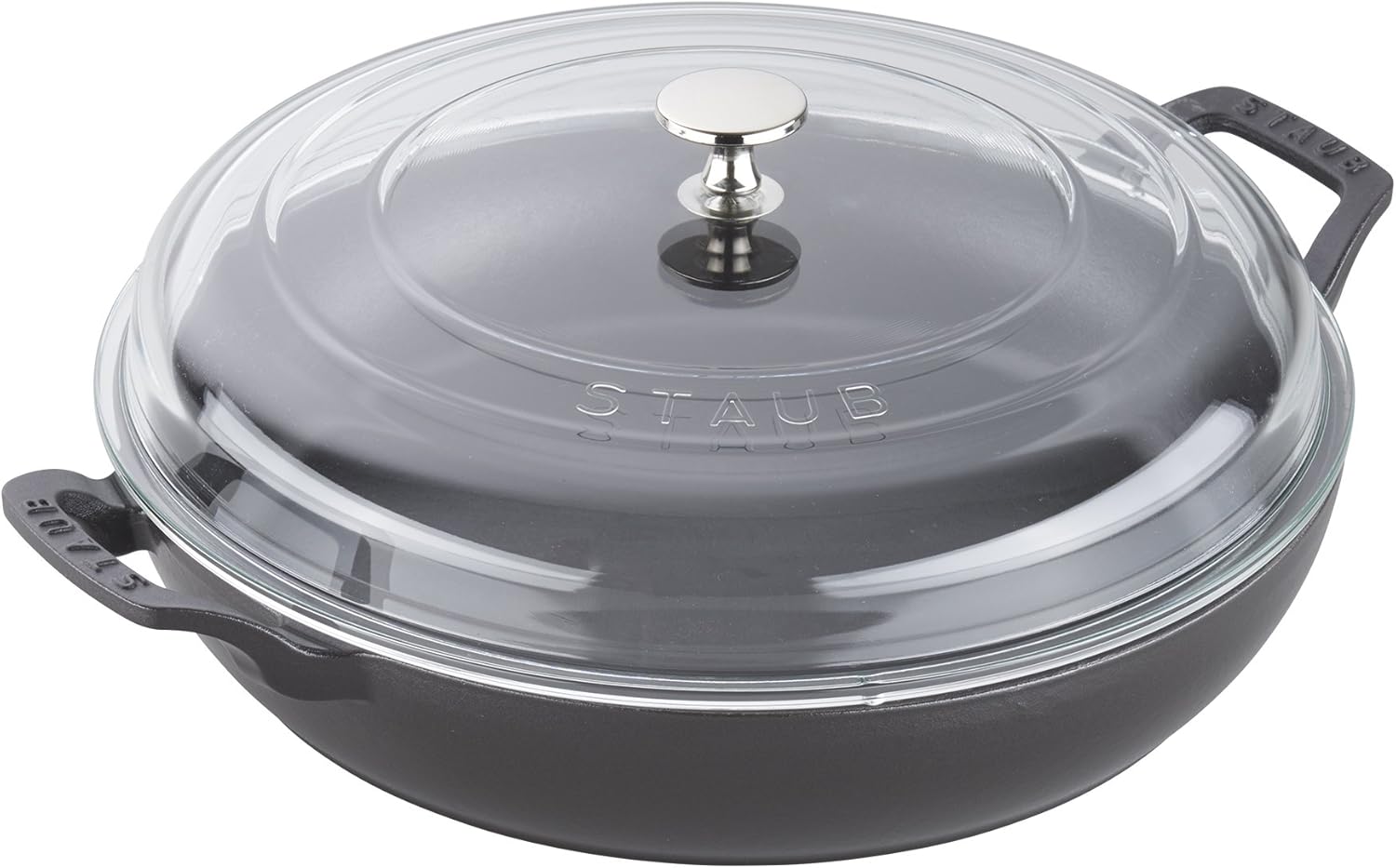
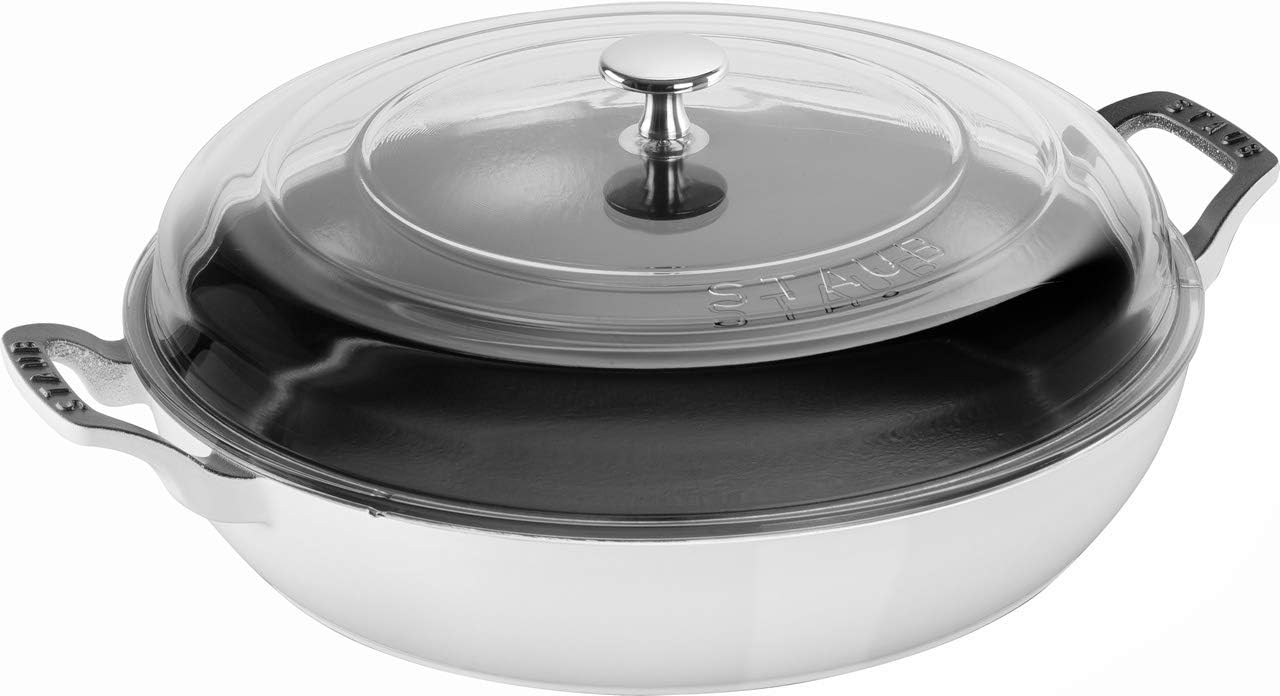
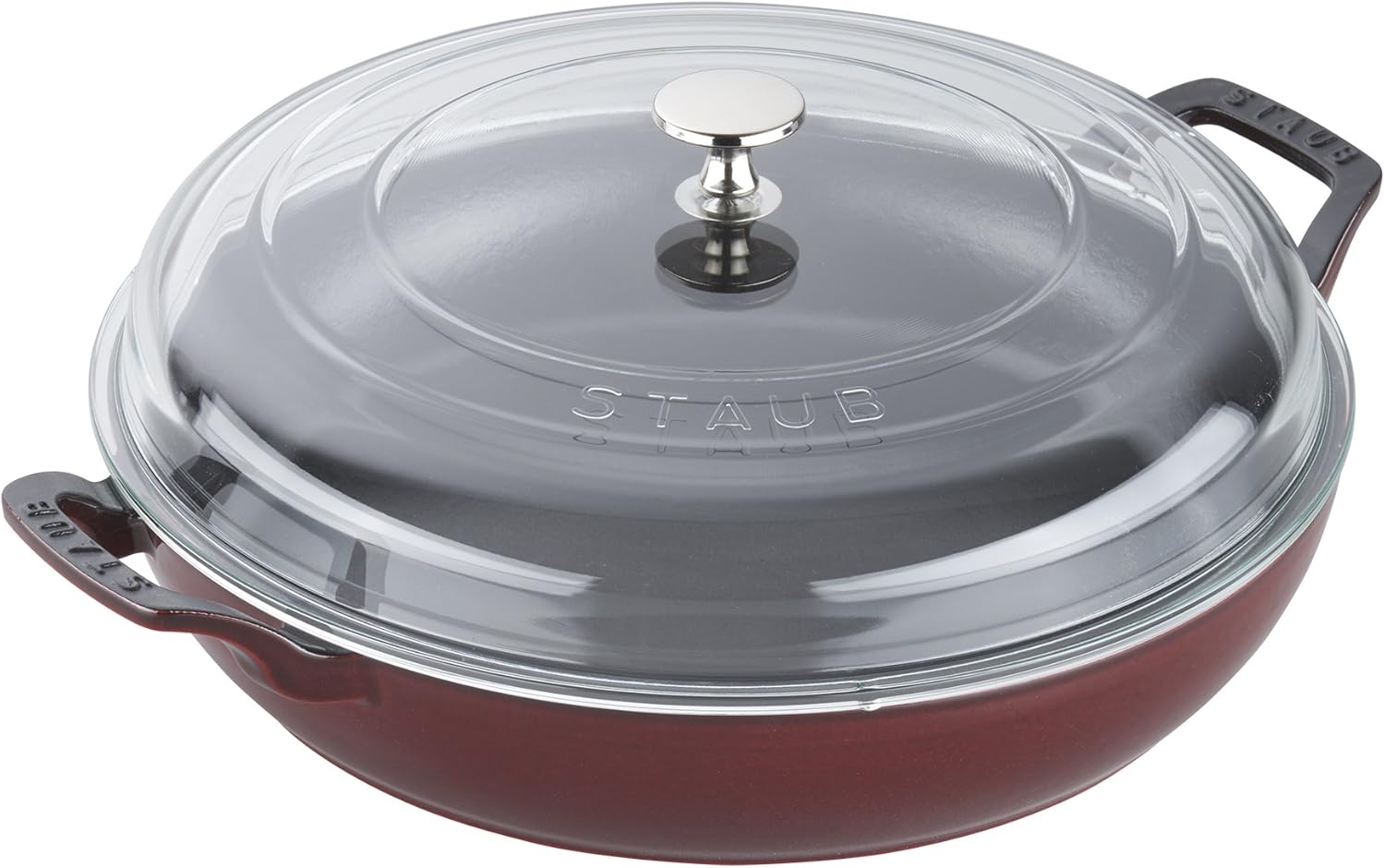
The Staub braiser line combines traditional French craftsmanship with modern conveniences, featuring textured interiors, smooth bottoms, and various lid configurations. Exploring these specific models helps you find a suitable cookware piece that matches your cooking style, stovetop compatibility, and household size requirements without unnecessary guesswork or confusion during daily meal creation and entertaining.
As an Amazon Associate, StacyLaughs earns from qualifying purchases.
Buying guide
Choosing the Right Capacity for Your Household
Selecting the correct capacity ensures your braiser meets your daily cooking demands without overflowing or leaving too much empty space during active recipe preparation. A 3.5-quart or 3.75-quart model generally serves three to four people comfortably, making it an ideal choice for couples or small families preparing standard weeknight dinners, soups, and slow-cooked braises.
Larger households or individuals who frequently host extensive dinner parties might find these standard capacities somewhat restrictive, often requiring multiple cooking batches for hearty stews and large roasts. Assessing your typical portion sizes and meal types carefully before purchasing prevents future kitchen frustration and helps you choose a vessel that aligns with your daily routines.
Evaluating Glass Lids Versus Solid Cast Iron Lids
The choice between a glass lid and a solid cast iron lid involves balancing real-time visibility with traditional heat dynamics during long braising sessions. Transparent glass lids allow you to monitor cooking progress easily without lifting the cover and releasing valuable moisture, rich aroma, and heat into your busy kitchen workspace.
Conversely, solid cast iron lids offer a heavier, traditional feel that many experienced home cooks prefer for authentic roasting aesthetics and maximum overall heat retention. Carefully consider your personal preference for monitoring food visually through glass versus maintaining classic heavy metal construction during your daily stovetop and oven cooking sessions without unexpected complications.
Stovetop Compatibility and Enamel Bottoms
Smooth enameled bottom designs ensure that your heavy cast iron cookware functions effectively across a wide variety of standard kitchen ranges without any performance drops. Whether you cook using traditional gas burners, electric coils, or modern induction cooktops, a smooth base protects delicate glass cooktops from scratches while delivering highly reliable heat transfer.
Checking your specific stovetop requirements thoroughly before final purchasing guarantees seamless integration into your current kitchen setup. Reliable bottom construction prevents annoying uneven hot spots, ensuring that your daily searing and simmering processes yield uniform cooking results every single time you prepare meals for your household members at home today.
Understanding Interior Enamel Finishes and Browning
The interior coating of a braiser significantly impacts overall cooking performance, particularly when it comes to searing meats and vegetables before starting stewing recipes. Textured black matte enamel surfaces provide an optimal micro-texture that grips food particles to achieve exceptional browning without requiring messy pre-seasoning steps before your very first cooking session starts today.
Properly understanding how this specialized interior finish behaves helps you maximize rich flavor development during everyday braising, roasting, and stewing tasks in your busy home kitchen environment without experiencing any unnecessary cooking hassle, cleanup delays, or performance drops over years of frequent family use.
Cleaning, Maintenance, and Dishwasher Guidelines
Maintaining enameled cast iron cookware requires following manufacturer guidelines carefully to preserve both exterior color finishes and interior matte surfaces over long operating periods. While many modern enameled pieces feature convenient dishwasher-safe designations, occasional gentle hand washing helps prevent gradual fading of bright exterior colors over extended periods of frequent heavy use.
Avoiding harsh metal scouring pads protects the delicate enamel coating from chipping or scratching during routine cleanup sessions in the busy kitchen sink. Proper care routines ensure that your cookware remains in pristine condition, ready to deliver reliable performance for countless family meals and special dinner parties without experiencing unexpected surface damage or wear.
Oven Safety and Temperature Limits
Understanding oven safety ratings and temperature limits is essential when safely transitioning your braiser from stovetop searing to active oven roasting. Most standard enameled cast iron pieces withstand high temperatures up to 500 degrees Fahrenheit, easily accommodating advanced baking and roasting tasks without warping or degrading over time in your busy kitchen.
Always verify the specific temperature rating of your chosen lid configuration carefully, as glass components may feature different thermal limits compared to solid cast iron bodies. Adhering strictly to these manufacturer safety boundaries prevents thermal shock and ensures completely safe cooking operations during high-temperature recipes at home today without incident.
Frequently asked questions
Do Staub braisers require seasoning before first use?
No, Staub braisers feature a textured black matte enamel interior that does not require any seasoning before your initial cooking session. The specialized enamel surface is ready for immediate use straight out of the box, offering natural non-stick properties as oils polymerize over the textured surface during cooking. You can start searing meats and vegetables right away without undertaking the traditional seasoning processes required by raw cast iron cookware.
Can I use a Staub braiser on an induction cooktop?
Yes, Staub braisers feature a smooth enamel bottom design that works seamlessly across all stovetops, including gas, electric coil, ceramic, and induction cooktops. The flat enamel base ensures optimal contact with magnetic induction burners for efficient heat transfer, while protecting your glass cooktop surfaces from scratches during daily cooking tasks. You can confidently sear on induction and transfer the entire pot directly into the oven.
Are Staub braisers dishwasher safe?
Many Staub braiser models with glass lids feature dishwasher-safe construction specifications, allowing for convenient cleanup after meals. However, following manufacturer maintenance guidelines often recommends occasional gentle hand washing with warm soapy water to preserve the exterior enamel's vibrant color and prevent gradual fading from harsh dishwasher detergents. Avoiding abrasive scouring pads during cleanup further protects the enamel finish against scratching.
What is the maximum oven temperature for these braisers?
Most Staub enameled cast iron braisers are oven safe up to 500 degrees Fahrenheit, allowing you to transition effortlessly from stovetop searing to high-heat roasting or baking. However, it is essential to check the specific temperature ratings for models equipped with glass lids, as glass components may have distinct thermal thresholds compared to solid cast iron lids. Always verify specifications before placing cookware in extremely hot ovens.
How many servings does a 3.5-quart Staub braiser make?
A 3.5-quart Staub braiser is ideally sized to prepare dinner for two to four people, following the general guideline that one quart equals approximately one serving size. This capacity provides sufficient room for standard weeknight soups, stews, and braised meat dishes without overcrowding the cooking surface. Households cooking for larger families or entertaining extensive dinner parties may want to consider multiple batches or larger vessels.