Appliances · Buying Guide
Best Stock Pot With Steamer Options for Large Batch Cooking
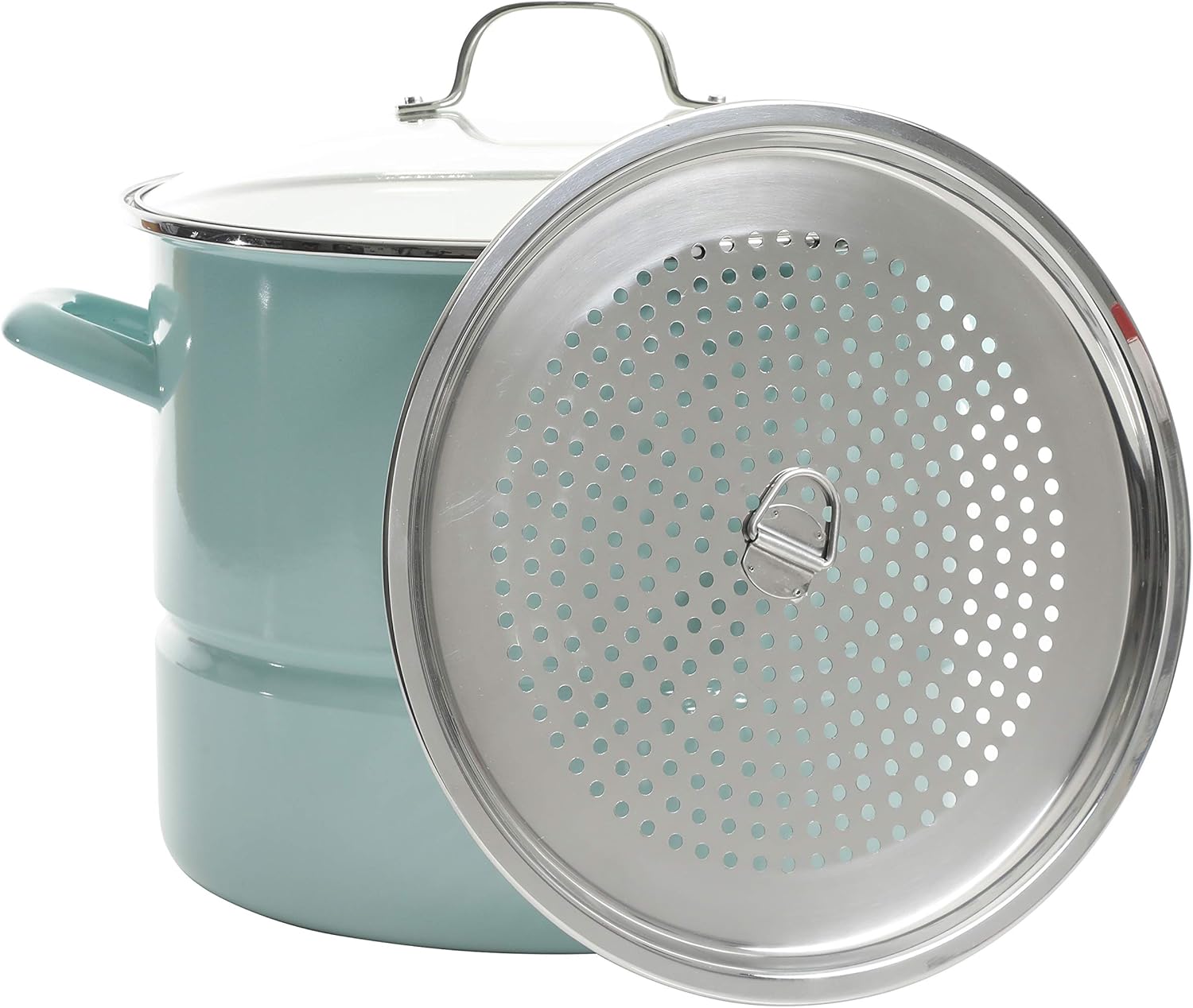
Choosing a stock pot with steamer depends heavily on your household size, cooking style, and stovetop type. These versatile cookware sets combine deep boiling vessels with fitted inserts, allowing home cooks to simmer rich broths, boil large pasta batches, and steam vegetables or seafood simultaneously without needing multiple separate pans on a crowded cooktop.
Evaluating physical dimensions, material composition, and capacity ensures you select a model that fits your storage spaces, cabinet heights, and heat sources properly. Reviewing these distinct options helps match specific design features, such as multi-layer construction or enameled exteriors, with your daily meal preparation routines and entertaining requirements.
As an Amazon Associate, StacyLaughs earns from qualifying purchases.
Buying guide
Capacity and Household Size Considerations
Selecting the correct pot capacity depends directly on how many people you regularly feed and your typical cooking routines. Smaller households often find five-quart options entirely sufficient for daily side dishes, modest soups, and moderate vegetable steaming. These smaller vessels heat quickly and save valuable storage space in standard kitchens without sacrificing performance for everyday meals.
Larger families, avid entertainers, or those who enjoy hosting seasonal gatherings benefit significantly from twelve to sixteen-quart vessels. Matching pot capacity to your actual household needs prevents overcrowding your stovetops while ensuring you do not struggle to store oversized cookware. Carefully measure your cabinet height and burner layout before committing to a massive stockpot purchase.
Material Composition and Heat Distribution
Cookware materials dictate how efficiently heat moves from your burner to the food inside the pot. Stainless steel offers exceptional durability and a sleek finish that resists corrosion over years of regular use. Multi-ply bonded construction layers different metals to eliminate hot spots, ensuring uniform boiling temperatures across the entire base surface.
Enameled steel combines sturdy metal strength with a smooth, glossy coating that resists staining and adds vibrant color options. Evaluating your preferred material involves balancing heat conduction properties against weight considerations and maintenance preferences. Pure stainless steel and enameled options each provide distinct aesthetic and functional advantages for home kitchens.
Stovetop Compatibility and Base Design
Modern kitchen setups feature diverse heat sources, making stovetop compatibility a vital purchasing factor. Encapsulated or extra-thick bases ensure proper magnetic contact and stable weight distribution on induction glass cooktops, preventing the pot from wobbling or shifting during use. Gas and electric coil stoves also benefit from flat, heavy-bottomed vessels that resist warping under intense heat exposure.
Checking manufacturer guidelines confirms whether a specific stockpot performs reliably on your particular heating elements before bringing it home. A well-anchored base maintains consistent contact, which translates to faster boiling times and more predictable cooking results for delicate broths, pastas, and steamed ingredients across every meal preparation session.
Steamer Insert Styles and Tiered Cooking
Steamer inserts transform a traditional boiling pot into a versatile multi-tasking workstation for healthy meal preparation. Perforated stainless steel inserts sit securely inside the upper rim, allowing steam to circulate freely around tamales, seafood, dumplings, and fresh vegetables. Some advanced setups feature deep two-tier baskets that maximize vertical space effectively.
Utilizing a tiered cooking system lets you simmer a hearty soup in the lower base while simultaneously steaming proteins or vegetables up top. This design saves time and reduces dishwashing by consolidating multiple cooking steps into a single burner setup, making it ideal for busy weeknight cooking routines.
Handle Design and Transport Safety
Transporting a large stockpot filled with boiling water or heavy ingredients requires secure, well-designed handles. Riveted stainless steel handles offer permanent structural attachment that withstands heavy loads without loosening over time. Some models incorporate silicone grips or cast side designs to improve balance and insulate against conducted heat during transport.
Evaluating handle placement ensures you can lift the vessel comfortably with both hands, especially when transferring heavy loads from the stove to the sink. Checking whether handles remain cool to the touch or require protective mitts helps prevent accidental burns during intensive cooking sessions involving large water volumes.
Lid Construction and Moisture Retention
A properly fitted lid plays a critical role in trapping heat, steam, and natural flavors inside your stockpot. Tempered glass lids offer the distinct advantage of letting you monitor cooking progress visually without lifting the cover and releasing valuable heat. Reinforced metal rims add durability and help create a tight seal along the pot's upper edge.
Vented lid designs prevent excessive pressure buildup during vigorous boiling while still maintaining optimal moisture levels for simmering broths and braising. Assessing lid construction ensures your cookware retains heat efficiently, resulting in faster cooking times and more consistent culinary outcomes for complex family recipes and everyday meals.
Frequently asked questions
Can I use a stock pot with a steamer insert on an induction cooktop?
Most stainless steel and multi-ply stock pots with steamers work exceptionally well on induction cooktops, provided the base contains magnetic metal. Enameled steel pots with magnetic iron cores also function smoothly on induction surfaces. Always review the manufacturer specifications to confirm magnetic base compatibility before purchasing, as non-magnetic aluminum or copper pots will not activate induction burners. Ensuring proper base contact prevents heating inefficiencies and guarantees a stable cooking surface for boiling and steaming tasks.
What is the advantage of a multi-ply stainless steel steamer pot?
A multi-ply stainless steel steamer pot features bonded layers of metal that distribute heat rapidly and evenly across the entire cooking base. This advanced construction eliminates hot spots that can scorch delicate sauces or soups simmering in the bottom tier. The heavy-duty bonded body also resists warping when exposed to high heat over years of regular use. Additionally, stainless steel provides a durable, corrosion-resistant cooking surface that withstands daily wear and maintains its polished or brushed appearance with minimal maintenance.
How do I clean and maintain an enameled steel stock pot?
Cleaning an enameled steel stock pot requires gentle care to protect the glossy exterior and interior finish from scratching. Allow the pot to cool completely before washing, as thermal shock from cold water on a hot surface can damage the enamel coating. Use warm soapy water and a non-abrasive sponge to remove food residues. Avoid harsh scouring pads or metal utensils that might chip the painted surface. Hand washing is generally recommended for enameled cookware to preserve its vibrant color and smooth texture.
Can I use the steamer insert independently from the main stock pot?
Many stainless steel steamer inserts can rest inside compatible sinks or over other similarly sized pots, though their primary design is tailored to fit the accompanying stockpot securely. The perforated basket allows you to rinse vegetables, strain pasta, or drain washed seafood before placing the entire unit onto the boiling base. However, stability depends heavily on matching the rim diameters correctly. Reviewing included component descriptions helps clarify whether the insert features flat bases or feet for standalone countertop placement.
What foods are best prepared using a tiered steamer pot?
Tiered steamer pots excel at preparing complete meals simultaneously by utilizing vertical space. You can simmer broths, soups, or stews in the lower stockpot base while steaming vegetables, dumplings, corn on the cob, tamales, fish fillets, or chicken pieces in the upper perforated basket. This method infuses steam upward while keeping foods separated from boiling liquids. It works particularly well for delicate items that might break apart if submerged directly in boiling water, ensuring even cooking and preserved textures.