Appliances · Buying Guide
Best T-Fal Saute Pan Options for Versatile Home Cooking
Finding the right cookware for everyday meals requires looking closely at materials, heat distribution, and interior coatings. T-fal offers a diverse lineup of aluminum cookware designed to handle everything from gentle simmering to high-heat searing. Whether you need a compact frying pan for morning eggs or a generous multi-quart jumbo cooker for family dinners, understanding the core specifications helps match your kitchen routine with the right tool.
Selecting an appropriate pan involves evaluating handle comfort, lid inclusions, and maximum temperature thresholds for oven use. Hard-anodized aluminum and recycled ceramic configurations bring distinct benefits to your stovetop. By examining the physical attributes and manufacturer guidelines of each model, you can choose a reliable cooking vessel that integrates smoothly into your culinary space without unnecessary complications.
As an Amazon Associate, StacyLaughs earns from qualifying purchases.
Buying guide
Material Composition and Durability
Choosing the right T-fal saute pan begins with examining its underlying material construction. Aluminum serves as the primary base across these models, prized for its ability to conduct heat evenly across the cooking surface. Hard-anodized variants offer rugged durability against daily kitchen wear, while recycled aluminum builds appeal to eco-conscious buyers. Understanding how these metals react to heat ensures your cookware handles intensive searing or gentle simmering without warping.
When evaluating durability, consider how core thickness influences long-term resilience. Thicker gauge aluminum resists dents and distributes thermal energy uniformly, preventing localized hot spots that can scorch food. Glossy exterior treatments add a refined aesthetic while maintaining structural integrity. Matching the material type to your typical cooking habits prevents premature degradation, ensuring your investment remains a dependable kitchen workhorse through numerous meal preparations.
Non-Stick Coating Varieties
Non-stick interior coatings dictate how easily food releases from the pan and how simply cleanup proceeds afterward. Titanium-infused coatings provide robust durability against everyday abrasion, helping food slide smoothly across the surface. Alternatively, advanced ceramic non-stick systems offer ultra-smooth gliding capabilities designed for cooking with minimal oil. Each coating technology changes how you approach meal preparation, particularly when working with delicate items like eggs, fish, or pancakes that easily stick to untreated metal surfaces.
Maintaining these non-stick surfaces requires attention to manufacturer care guidelines. While titanium-coated options often withstand automated dishwasher cycles, ceramic interiors frequently recommend manual hand washing to preserve their smooth performance over time. Avoiding metal utensils preserves the integrity of both coating types, preventing scratches that compromise non-stick properties. Assessing your cleaning preferences helps you select a surface treatment that aligns comfortably with your household chores.
Capacity and Cooking Surface Size
Selecting the correct capacity depends on your household size and typical meal style. Smaller options around three quarts suit single portions, whereas larger 5.5-quart saute pans accommodate batch cooking and one-pot family meals. A wide cooking surface allows you to brown meats or arrange multiple food items without overcrowding, which is essential for achieving proper caramelization and even cooking results across diverse recipes.
External dimensions and pan depth dictate how effectively liquids are contained during simmering. Deep walls prevent splatters when stirring saucy dishes, while helper handles provide leverage when lifting a heavy, filled pan. Measuring your burner size and storage space ensures the chosen capacity integrates smoothly into your kitchen without creating storage bottlenecks or heating inefficiencies on your stove.
Stovetop and Oven Compatibility
Reviewing stove compatibility prevents operational frustrations before you begin cooking. Most standard aluminum pans operate effectively on gas and electric coil cooktops, though many specific models exclude magnetic induction ranges due to their aluminum construction. Verifying your kitchen setup against the manufacturer specifications ensures seamless heating performance. Additionally, check maximum temperature thresholds if you plan to transfer your skillet from the stovetop directly into the oven to finish baking or roasting tasks.
Oven safety limits vary between the main pan body and the included lid components. Many models withstand up to 400 degrees Fahrenheit, while their companion glass lids are typically rated safely up to 350 degrees. Respecting these boundaries prevents warping, handle degradation, or glass shattering. Aligning your cooking techniques with these established thermal thresholds guarantees safe, long-lasting performance across all your baking, broiling, and stovetop culinary endeavors.
Heat Indicators and Preheating Technology
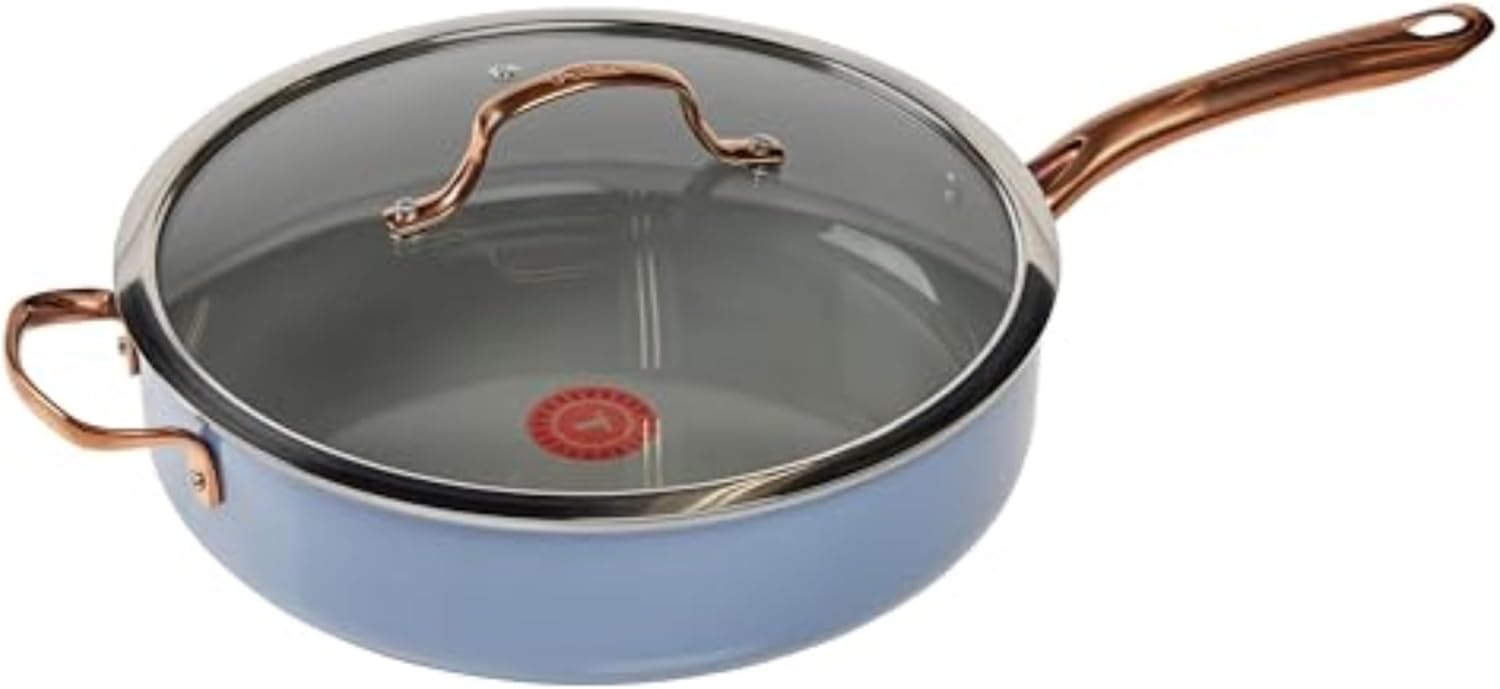
Consistent cooking results rely heavily on proper pan preheating before adding ingredients. Unique heat indicator features, such as Thermo-Spot technology, turn solid red when the cookware reaches the ideal starting temperature. This visual cue takes guesswork out of the cooking process, helping you achieve better searing, browning, and texture development. Utilizing this preheating marker ensures your food hits a properly conditioned surface every single time.
Understanding thermal indicators improves energy efficiency and prevents overheating delicate non-stick coatings. When the indicator shifts, you can immediately proceed with adding oils or food items, reducing idle burner time. This practical feature supports consistent culinary outcomes whether you are preparing morning pancakes or evening stir-fries, making temperature management straightforward for cooks of all experience levels in the kitchen.
Handle Design and Lid Inclusion
Ergonomic handle construction significantly impacts comfort and safety during extended cooking sessions. Riveted silicone handles offer a secure, cool-touch grip that minimizes hand fatigue when moving heavy pans. Alternatively, metallic stainless steel handles provide a sleek aesthetic appearance alongside reliable durability. For larger pans, secondary helper handles distribute weight evenly, making it much easier to transfer a fully loaded skillet from the burner to a countertop.
Included lids enhance versatility by trapping essential heat and moisture during braising, simmering, and slow cooking. Vented tempered glass designs allow you to monitor food progress visually without lifting the cover and releasing built-up steam. Evaluating whether a model includes a matching lid saves you from sourcing separate accessories later, ensuring you have a complete system ready for diverse kitchen tasks right out of the box.
Frequently asked questions
Are these T-fal pans compatible with induction cooktops?
According to the provided specifications, the featured T-fal cookware models are generally compatible with gas and electric cooktops but explicitly exclude induction ranges. Because these pans are constructed primarily from aluminum bodies rather than magnetic stainless steel or cast iron, they lack the necessary magnetic properties to activate induction burner elements. If you operate an induction cooktop in your kitchen, you must verify compatibility carefully or utilize a specialized interface disc, though standard gas and electric coil burners will power these aluminum skillets effectively.
What is the maximum oven-safe temperature for these pans and lids?
Maximum oven temperature tolerances vary depending on whether you are placing the entire skillet or just the lid inside the appliance. Several hard-anodized models withstand oven heat up to 400 degrees Fahrenheit, while their accompanying glass lids are rated safely up to 350 degrees. Other ceramic configurations cap overall oven safety at 350 degrees for both the pan body and lid components. Always check the specific ratings for your exact model before transferring cookware from the stovetop to avoid damaging handles or glass elements.
Can I put my T-fal non-stick saute pan in the dishwasher?
Dishwasher safety depends entirely on the specific coating and construction of your chosen T-fal model. Many titanium non-stick aluminum pans are listed as dishwasher safe, allowing for automated cleanup after meals. However, specific eco-design ceramic non-stick models explicitly recommend hand washing only to preserve the longevity and performance of the ceramic coating. Reviewing the product care instructions for your specific skillet ensures you maintain the protective surface treatment and avoid premature wear caused by harsh dishwasher detergents.
How does the Thermo-Spot technology work on these pans?
The Thermo-Spot heat indicator acts as a visual guide to signal when your pan has reached the optimal preheating temperature. As the cookware warms up on the burner, the pattern embedded in the cooking surface transforms. Once the indicator turns a solid, uniform red color, it informs you that the pan is properly preheated and ready for ingredients to be added. This feature takes the guesswork out of temperature management, helping you achieve consistent browning and searing results across various recipes.
Why should I choose a saute pan with a helper handle?
A secondary helper handle provides crucial structural support when you are lifting or transporting larger, heavier cookware items. Saute pans and jumbo cookers with capacities around 5.5 quarts hold substantial quantities of food, liquids, and ingredients, which can make a single long handle awkward to balance. The addition of a helper handle opposite the main grip allows you to use both hands securely, distributing weight evenly and reducing the physical strain of moving a fully loaded pan between burners and countertops.