Appliances · Buying Guide
Best target electric frying pan options for home cooking
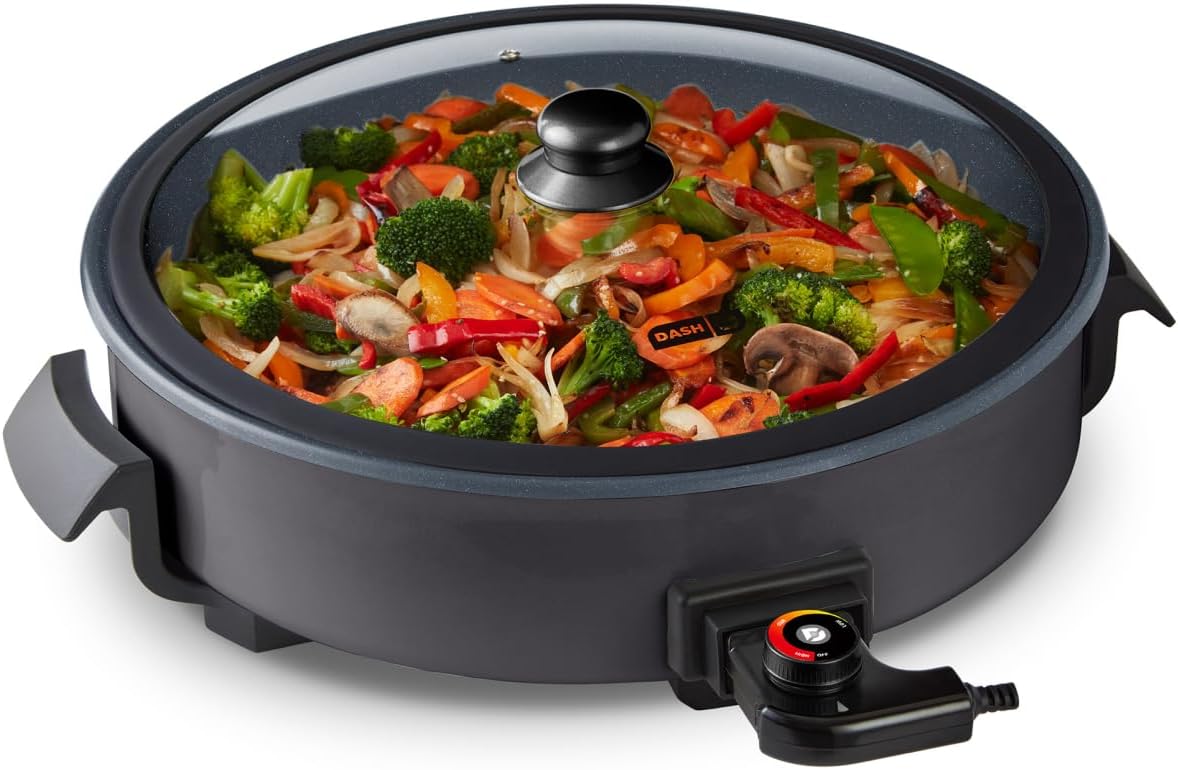
Finding the right countertop appliance can transform your daily cooking routine, and investing in a reliable target electric frying pan offers exceptional versatility for busy households. Whether you are searing meats, simmering stews, or frying breakfast pancakes, these adaptable electric skillets provide dedicated temperature control and spacious cooking surfaces without crowding your main stovetop burners during heavy meal preparation.
Modern models feature advanced ceramic nonstick coatings, rapid embedded heating elements, and user-friendly designs that simplify everyday post-cooking maintenance. Carefully evaluating capacity, electrical wattage, and storage options helps you select an appliance that fits your specific kitchen space and culinary lifestyle seamlessly while delivering reliable day-to-day performance.
As an Amazon Associate, StacyLaughs earns from qualifying purchases.
Buying guide
Sizing and Cooking Capacity
Selecting the right size electric skillet depends entirely on your household size and typical meal types. Smaller models around 12 inches suit couples or single individuals preparing modest everyday dishes. Larger 14-inch to 16-inch variants easily accommodate growing families and entertaining crowds without requiring multiple cooking batches during busy weeknights. Evaluating these dimensions helps align your purchase with real cooking needs.
Consider sidewall depth alongside surface area when evaluating overall capacity. Deeper pans prevent messy splatters during high-heat frying and hold substantial liquids for simmering stews or braising meats safely. Matching physical dimensions to your available kitchen counter space ensures safe daily operation and prevents overcrowding your meal preparation areas. Choosing correctly maximizes daily kitchen efficiency.
Nonstick Surface Materials
Modern electric skillets feature various nonstick coatings, including ceramic options and marbleized stone finishes. These materials ensure effortless food release and reduce the need for excessive oils during cooking. Ceramic surfaces offer reliable non-toxic performance for everyday frying and sautéing tasks while supporting quick cleanup routines after heavy family meals.
Preserving these coatings requires using appropriate utensils made of wood, silicone, nylon, or plastic instead of metal. Checking manufacturer guidelines helps maintain the longevity of the nonstick layer over years of regular use. Selecting durable materials protects your kitchen investment and ensures consistent food release during every meal preparation session.
Temperature Control Systems
Precise temperature control is vital for achieving consistent results across different recipes, ranging from low-and-slow simmering to high-heat searing tasks. Most electric skillets utilize removable probes featuring adjustable dials spanning up to 400 degrees Fahrenheit. These integrated probes cycle automatically to hold steady cooking temperatures throughout long stewing sessions and breakfast griddle work.
Removable probes also simplify post-cooking cleaning by allowing you to wash the main pan body safely without sensitive electrical components getting wet. Inspecting the thermostat range ensures the appliance handles your preferred cooking techniques, whether you are frying chicken or gently warming pre-cooked side dishes for incoming guests.
Wattage and Heating Performance
Electrical wattage dictates how fast your electric skillet heats up and maintains its operating temperature under heavy food loads. Models generally range from 1200 watts to 1500 watts, providing ample power for standard countertop cooking needs. Higher wattage units deliver rapid heat distribution across large cooking surfaces without experiencing noticeable temperature drops.
Fully embedded heating elements that cover the entire pan floor eliminate cold spots and ensure uniform browning during meal preparation. Assessing power requirements relative to your kitchen circuit capacity prevents electrical overloads while guaranteeing efficient performance for demanding frying and braising recipes throughout the busy week.
Cleaning and Maintenance Ease
Cleaning convenience is a major factor for everyday kitchen appliances used in busy households. Many modern electric skillets feature fully immersible bodies and dishwasher-safe components once the temperature control probe is detached. This design reduces scrubbing effort significantly after cooking greasy meals or sticky casseroles for guests.
Always review manufacturer guidelines regarding dishwasher use versus hand-washing recommendations for specific interior nonstick coatings. Proper maintenance preserves the protective surface layer and ensures long-term durability, letting you enjoy hassle-free food release for years of regular home cooking adventures and family dinners without premature surface wear.
Storage and Portability Features
Storing large countertop appliances can present challenges in kitchens with limited cabinet space. Look for innovative designs featuring removable probes, compact footprints, or specialized lid configurations that allow secure side storage. These thoughtful engineering details help reclaim valuable pantry and kitchen cabinet space easily between everyday family cooking tasks.
Portability is another key consideration if you plan to transport your skillet to potlucks or family gatherings. Secure lid clamps, cool-touch handles, and integrated cord wraps make moving the appliance safe and convenient while preventing accidental spills during transit across town or to outdoor community dining events.
Frequently asked questions
Can I put my electric skillet in the dishwasher?
Whether an electric skillet is dishwasher safe depends entirely on the specific model and manufacturer instructions. Several models feature fully immersible bodies and dishwasher-safe glass lids once you detach the removable temperature control probe. However, many ceramic and nonstick skillets recommend gentle hand-washing to preserve the protective surface coating over years of regular use. Always check the specific product manual before placing any part of your appliance into the dishwasher to prevent accidental damage.
How do I clean a nonstick electric skillet safely?
Cleaning a nonstick electric skillet requires gentle care to protect the delicate cooking surface. Always unplug the appliance and let it cool completely before attempting any maintenance. Never use abrasive metal scouring pads, steel wool, or harsh chemical cleaners, as these items will scratch the nonstick coating. Instead, wash the interior using a soft sponge, warm soapy water, and non-metal utensils like wood, silicone, or nylon. Follow manufacturer guidance regarding soaking and dishwasher compatibility for your specific appliance.
What is the best way to prevent food from sticking?
Preventing food from sticking starts with proper preparation and adherence to manufacturer instructions. For many new electric skillets, letting the heating element cycle two or three times before adding food helps establish even temperature distribution across the cooking floor. Additionally, using a small amount of cooking oil or butter enhances food release. Always use wooden, silicone, nylon, or plastic utensils rather than metal tools to protect the integrity of the ceramic or stone-finish coating during everyday meal preparation.
Can I use metal utensils on my electric frying pan?
You should avoid using metal utensils on nonstick electric frying pans because they can easily scratch, gouge, and ruin the protective ceramic or marbleized stone-finish coating. Scratched surfaces compromise food release performance and lead to stubborn stuck-on food during cooking. Instead, protect your investment by using wooden, silicone, nylon, or plastic cooking tools. These softer materials prevent surface damage while you flip pancakes, stir vegetables, or sauté meats, ensuring your electric skillet maintains smooth nonstick performance over time.
How do I store a bulky electric skillet efficiently?
Storing a bulky electric skillet requires careful planning, especially in kitchens with limited cabinet space. Begin by detaching the temperature control probe and wrapping the cord neatly if a cord wrap is provided. Some specialized models feature innovative inverted lid designs with secure clamps that allow you to store the appliance safely on its side, reclaiming valuable vertical space. For standard models, remove the glass lid and store it separately or nested carefully to prevent accidental chipping and save shelf room.