Appliances · Buying Guide
Best Tefal Non Stick Saute Pan Options for Easy Everyday Cooking
Finding reliable cookware changes how you approach daily meal prep, especially when delicate foods like eggs or fish tend to stick. Tefal offers a range of non-stick pans and saute pans designed to make cooking and cleanup straightforward. Whether you need a deep cooker for family meals or a versatile skillet for quick breakfasts, these options focus on consistent heat and effortless food release.
Selecting the right pan involves matching your stove type and cooking habits to the correct materials and capacities. Hard-anodized aluminum and stainless steel models provide durable builds that handle high oven temperatures and heavy use. By understanding the specific features of each model, you can choose a reliable kitchen companion that fits your daily culinary routine without unnecessary complications or maintenance hurdles.
As an Amazon Associate, StacyLaughs earns from qualifying purchases.
Buying guide
Choosing the Right Pan Size
Selecting the proper pan size depends heavily on your household size and the types of meals you prepare most frequently. Smaller ten-inch skillets work wonderfully for single portions, eggs, and quick side dishes. Twelve-inch models provide the expansive surface area needed for multi-serving stir-fries and family breakfasts.
Matching the diameter to your burners ensures efficient heating and prevents wasted energy. Oversized pans on small burners lead to uneven cooking, while small pans on large rings risk damaging handles. Assess your typical recipes before deciding on a specific footprint.
Understanding Cooktop Compatibility
Before purchasing any non-stick pan, verify that it matches your kitchen range. Traditional aluminum models typically support gas and electric coil surfaces but may lack the magnetic base required for induction cooktops.
If your kitchen features an induction glass top, look specifically for bonded stainless steel bases or specially marked induction-compatible skillets. Choosing the correct base prevents heating failures and ensures safe, efficient performance every time you cook.
Evaluating Non-Stick Coating Durability
Non-stick coatings vary significantly in longevity and scratch resistance. Advanced titanium or platinum reinforced interiors offer multiple times the durability of basic coatings, helping food slide smoothly over years of regular use.
Consider how you handle utensils during cooking. While standard non-stick surfaces require silicone or wooden tools to prevent scratching, certain heavy-duty coatings safely accommodate metal utensils, offering greater flexibility during fast-paced meal preparation routines.
Oven Safety and Temperature Limits
Many modern frying pans allow you to start dishes on the stovetop and finish them inside the oven. Temperature thresholds differ between pan bodies and glass lids, so always check maximum heat ratings.
Standard aluminum pans often tolerate oven heat up to four hundred degrees Fahrenheit, whereas stainless steel hybrids may endure up to five hundred degrees. Respecting these limits protects handles, coatings, and structural integrity over time.
Handle Design and Ergonomics
Comfortable handles transform how safely you maneuver a heavy pan filled with food. Riveted silicone grips offer a secure, insulated hold that minimizes hand fatigue during extended cooking and flipping sessions.
Cast metal handles provide high-heat oven durability but can conduct warmth during long stovetop tasks. Consider your preference for soft silicone cushioning versus all-metal robustness when evaluating daily kitchen comfort and control.
Lids and Accessories Inclusion
Pans sold with matching lids provide immediate versatility for simmering, braising, and trapping heat or moisture. Vented tempered glass covers allow you to observe cooking progress without releasing trapped steam.
If a preferred skillet lacks a cover, ensure you have a universal lid of the correct diameter or factor in the cost of acquiring one separately for simmering recipes.
Frequently asked questions
Are these non-stick pans safe to use in the dishwasher?
Most of these pans feature dishwasher-safe construction, allowing for convenient cleanup after preparing messy meals. However, washing cookware by hand with mild dish soap and a soft sponge often helps preserve the longevity of the non-stick coating over years of service. If you choose the dishwasher, avoid harsh abrasive detergents that can dull the exterior finish. Always consult manufacturer guidelines regarding specific cleaning recommendations to keep your kitchenware performing at its absolute best.
What is the purpose of the heat indicator on these pans?
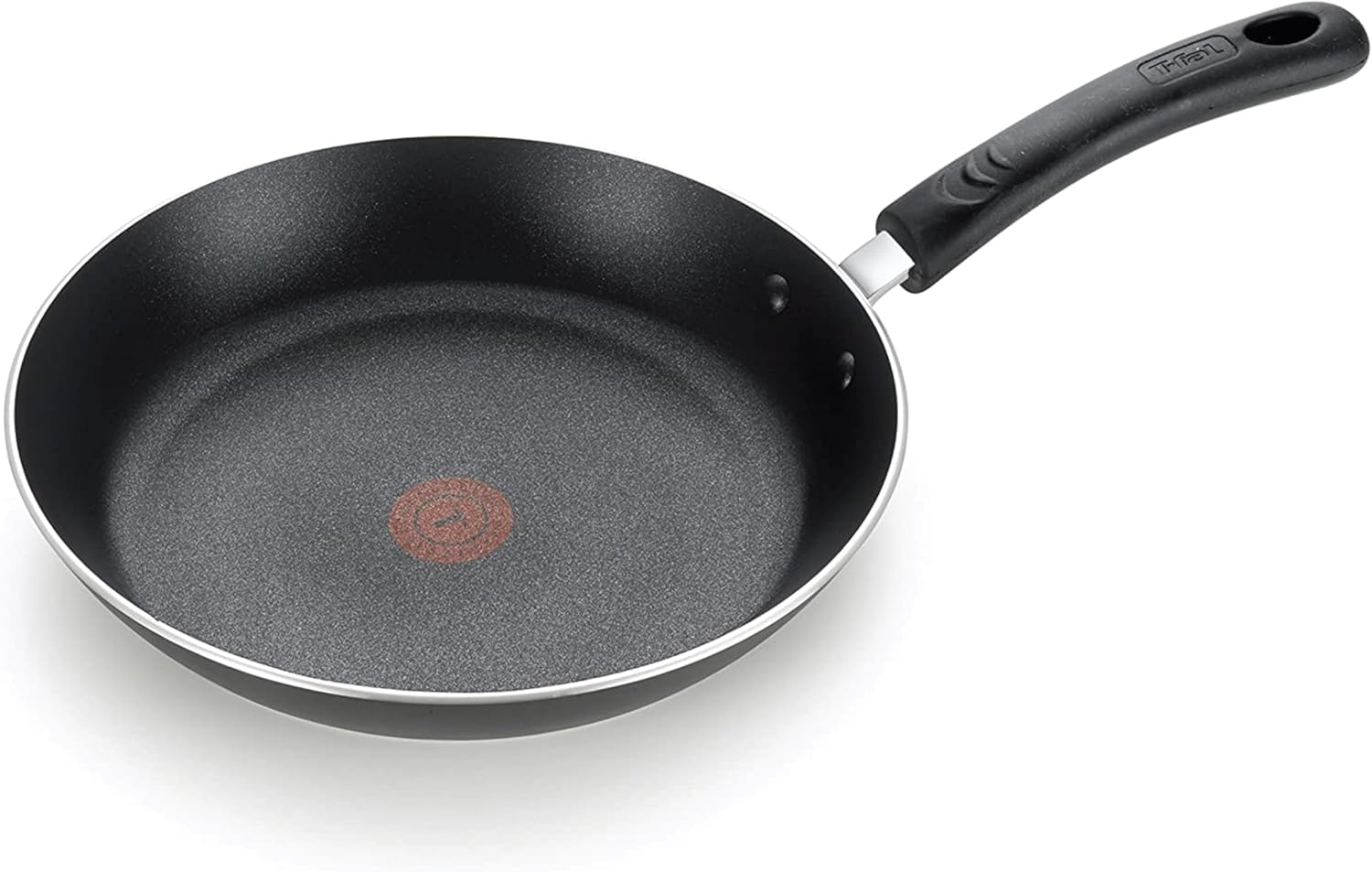
The unique heat indicator located in the center of the pan changes to a solid red color when the cookware has reached the ideal preheating temperature. Preheating your pan properly is essential for sealing in natural food flavors and achieving an even cooking surface. Once the indicator pattern disappears or turns solid red, you can confidently add your ingredients. This visual cue takes the guesswork out of temperature management during busy meal preparation routines.
Can I use metal utensils on these non-stick surfaces?
Utility compatibility depends entirely on the specific coating tier of your chosen model. Basic and standard titanium non-stick coatings generally require wooden, silicone, or plastic utensils to prevent scratching and surface wear. However, advanced platinum non-resistant interiors are specifically engineered to withstand metal utensils without sustaining damage. Always check the specifications of your exact pan model before introducing metal spatulas or whisks to protect the integrity of the cooking surface.
Why is cooktop compatibility important when selecting a pan?
Cooktop compatibility determines whether a pan will heat correctly on your specific stove type. Standard aluminum pans work efficiently on gas and electric coil ranges but lack the magnetic properties required for induction cooktops. Using an incompatible pan on an induction surface results in no heat transfer. Checking compatibility beforehand ensures your cookware functions properly, saving you from the frustration of returning items that do not communicate with your kitchen heating elements.
How do hard-anodized aluminum pans compare to stainless steel hybrids?
Hard-anodized aluminum pans offer exceptional heat distribution and lightweight handling while resisting corrosion and warping during regular use. They provide dependable everyday performance on standard stovetops. Stainless steel hybrid pans combine a robust steel exterior with a non-stick interior, offering higher oven temperature thresholds up to five hundred degrees Fahrenheit and universal induction compatibility. Your choice depends on your maximum heat requirements, stove type, and preference for traditional versus modern hybrid materials.