Appliances · Buying Guide
Best T-Fal Frying Pan With Lid Options For Every Kitchen
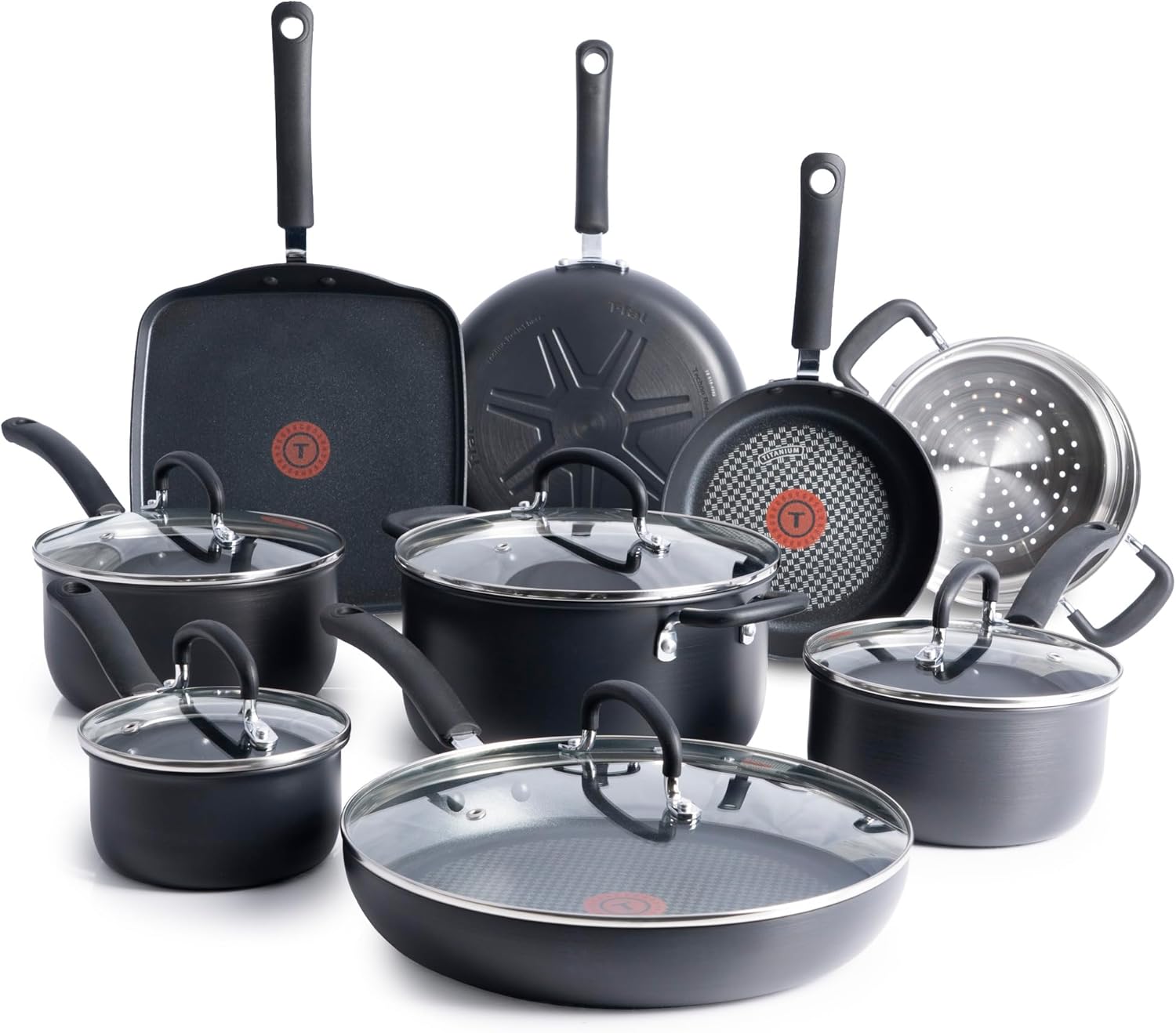
Finding the right cookware for daily meal preparation involves balancing heat distribution, durability, and cleaning convenience. A reliable tfal frying pan with lid offers versatile cooking capabilities, ranging from quick morning eggs to elaborate evening dinners. These pans combine heavy-gauge aluminum construction with specialized nonstick coatings to simplify cooking routines and everyday kitchen tasks.
Selecting a suitable pan depends on household size, preferred cooking methods, and available storage space in kitchen cabinets. Options span individual frying pans, multi-piece sets, and deep cookers equipped with supportive helper handles and vented lids. Reviewing specific design attributes ensures you choose cookware that matches your stovetop setup and daily culinary requirements seamlessly.
As an Amazon Associate, StacyLaughs earns from qualifying purchases.
Buying guide
Pan Diameter and Surface Area
Choosing the correct pan diameter directly influences how comfortably you can prepare different meal sizes without overcrowding the cooking surface. Ten-inch models suit smaller portions or side dishes, while twelve-inch skillets accommodate wide seared meats and family-sized batches easily.
Matching your typical recipe scale to the appropriate pan footprint prevents messy spills and ensures even heat absorption across all ingredients. Consider your household size and standard burner dimensions before selecting wide skillets that demand extra stovetop clearance.
Sidewall Depth and Capacity
Evaluating sidewall depth is essential because taller vertical edges determine whether a specific pan functions best for quick pancake flipping or deep braising, simmering, and tossing liquid-heavy ingredients safely on the hot burner. Traditional shallow frypans excel at sliding out delicate omelets, whereas deep cookers contain splashing sauces securely during active cooking sessions across your stovetop.
Assessing capacity requirements helps you choose cookware vessels that prevent messy boil-overs when preparing multi-ingredient recipes for guests or family members. High-capacity pots featuring deep walls offer exceptional versatility for busy households that frequently enjoy hearty stews, braised meats, and complex family-sized pasta dishes without ever running out of room.
Coating Materials and Maintenance
Advanced nonstick coatings significantly reduce the amount of added cooking oil needed for daily meal preparation while dramatically simplifying cleanup routines after every single meal. Modern titanium-infused surfaces provide enhanced structural resistance against everyday wear, ensuring food slides smoothly across the pan interior without sticking or burning onto the underlying aluminum metal substrate.
Maintaining these protective nonstick surfaces involves carefully following manufacturer care guidelines, which often recommend dishwasher-safe operation alongside gentle wooden or silicone kitchen utensils to preserve coating longevity. Avoiding abrasive metal scouring pads prevents premature scratching and helps your chosen cookware deliver consistent, reliable performance over many years of regular home kitchen use.
Lid Design and Visibility
Vented tempered glass lids offer a practical combination of reliable heat retention and clear visual monitoring during complex simmering or braising tasks on the kitchen stove. The integrated steam vent allows excess vapor to escape safely, preventing unwanted pressure buildup while keeping internal moisture securely locked inside the active cooking vessel during dinner prep.
Being able to observe cooking progress clearly without lifting the heavy cover helps maintain stable internal temperatures for optimal recipe results every single time you cook. Securely fitted glass lids complement matching frying pans by trapping heat efficiently across various stovetop cooking methods while ensuring you never lose track of simmering food texture.
Heat Indicators and Preheating
Advanced built-in heat indicators remove everyday kitchen guesswork by changing solid color when pans reach the ideal preheating temperature for cooking your favorite meals. This reliable visual cue ensures that fresh ingredients hit a properly warmed metal surface immediately, promoting even searing, browning, and better flavor development right from the very start of food preparation.
Understanding precisely when your cookware is ready prevents accidental overheating, which helps protect the structural lifespan of sensitive nonstick coatings over extended periods of regular use. Utilizing this convenient preheat feature simplifies morning breakfast routines and busy evening dinner preparations alike for home cooks of varying experience levels across your active household.
Stovetop and Oven Compatibility
Carefully checking thermal compatibility ensures your new frying pan functions properly with your specific kitchen range, noting common exclusions like magnetic induction cooktop surfaces. Most standard aluminum cookware models support gas, electric coil, and ceramic burners effectively for everyday cooking tasks without experiencing any performance issues during active meal preparation routines.
Specific oven safety ratings also allow pans to transition seamlessly from stovetop searing to oven finishing under designated maximum temperature limits. Reviewing these thermal boundaries protects riveted silicone handles and glass lids from heat damage while expanding your overall recipe options for baking, broiling, and roasting savory dishes in your home kitchen efficiently today.
Frequently asked questions
Can these frying pans be placed safely inside the dishwasher?
Most models in this collection feature dishwasher-safe construction, allowing for convenient cleanup after meal preparation. However, reviewing specific manufacturer care guidelines ensures you maintain the protective titanium nonstick coating over extended periods of regular use. Placing cookware in the dishwasher saves time, though hand washing with mild soap and soft sponges can also help preserve the exterior finish and nonstick properties. Always check individual product specifications to confirm compatibility with your home appliance cleaning routines.
What types of stovetops are compatible with these pans?
These aluminum and hard-anodized cookware options are compatible with a wide variety of standard stovetops, including gas, electric coil, and ceramic glass surfaces. It is important to note that induction cooktops are explicitly excluded from compatibility across these specific collections. Verifying your kitchen range type before purchasing ensures proper heat transfer and prevents operational mismatches. Gas and standard electric burners deliver reliable heating performance when paired with these heavy-gauge aluminum skillets and cookers.
What is the maximum oven temperature supported by the pans and lids?
The frying pans are engineered to withstand oven temperatures up to four hundred degrees Fahrenheit, making them versatile for finishing dishes after stovetop searing. In contrast, the matching glass lids feature a lower maximum heat tolerance, safely withstanding temperatures up to three hundred and fifty degrees Fahrenheit. Exceeding these specified thermal limits can damage silicone handles, glass components, or nonstick coatings. Always verify temperature boundaries before transferring cookware from the burner into the oven.
How does the Thermo-Spot technology work during cooking?
The built-in Thermo-Spot heat indicator features a specialized pattern that turns solid red once the pan has reached the optimal preheating temperature for cooking. This visual signal takes guesswork out of the preheating process, ensuring that your ingredients contact a properly warmed surface right away. Proper preheating helps promote even cooking and browning for foods like meats, pancakes, and eggs. Watching for the solid red indicator simplifies meal preparation routines for home cooks.
Are metal utensils safe to use on the titanium nonstick coating?
Manufacturer recommendations typically advise using wooden, silicone, or plastic utensils to protect the titanium nonstick coating from unnecessary scratching and premature wear. While the hard-anodized construction is durable, abrasive metal tools can compromise the smooth nonstick surface over time, leading to food sticking during cooking. Adopting gentle utensils preserves the sliding performance of the interior coating, ensuring effortless food release and easy cleanup for years of regular kitchen use and meal preparation.