Appliances · Buying Guide
Best Non Stick Skillet Options for Everyday Home Cooking
Finding the right cookware for daily meal preparation involves looking closely at core materials, pan sizes, and overall stovetop compatibility. Different kitchen tool designs support specific cooking tasks, ranging from high-heat searing to flipping delicate eggs with minimal oil use. Understanding these physical attributes simplifies the selection process for home cooks looking to upgrade their kitchen tools efficiently.
Exploring various available skillets reveals distinct options, ranging from cast aluminum bodies with specialized non-stick coatings to multi-ply stainless steel hybrid constructions. Reviewing these structural builds helps match a specific pan directly to your kitchen setup, storage space constraints, and preferred cooking methods for preparing everyday recipes.
As an Amazon Associate, StacyLaughs earns from qualifying purchases.
Buying guide
Material Composition and Construction
Choosing a skillet starts with understanding core building materials like cast aluminum, hard-anodized aluminum, or multi-ply stainless steel. Cast aluminum options provide quick thermal conductivity when paired with conductive bases. Multi-ply stainless steel models combine inner and outer metal layers with responsive aluminum cores to resist warping. Evaluating how these structural builds handle heat distribution helps align your choice with daily cooking styles and stovetops.
Different materials also dictate overall durability and maintenance requirements across kitchen environments. Stainless steel hybrid or tri-ply options withstand higher oven temperatures compared to coated cast aluminum pans. Reviewing the base composition ensures proper compatibility with induction cooktops, gas burners, or electric coils. Matching the structural build to your frequent recipes prevents premature wear and secures reliable performance over years of regular meal preparation at home.
Surface Coatings and Non-Stick Performance
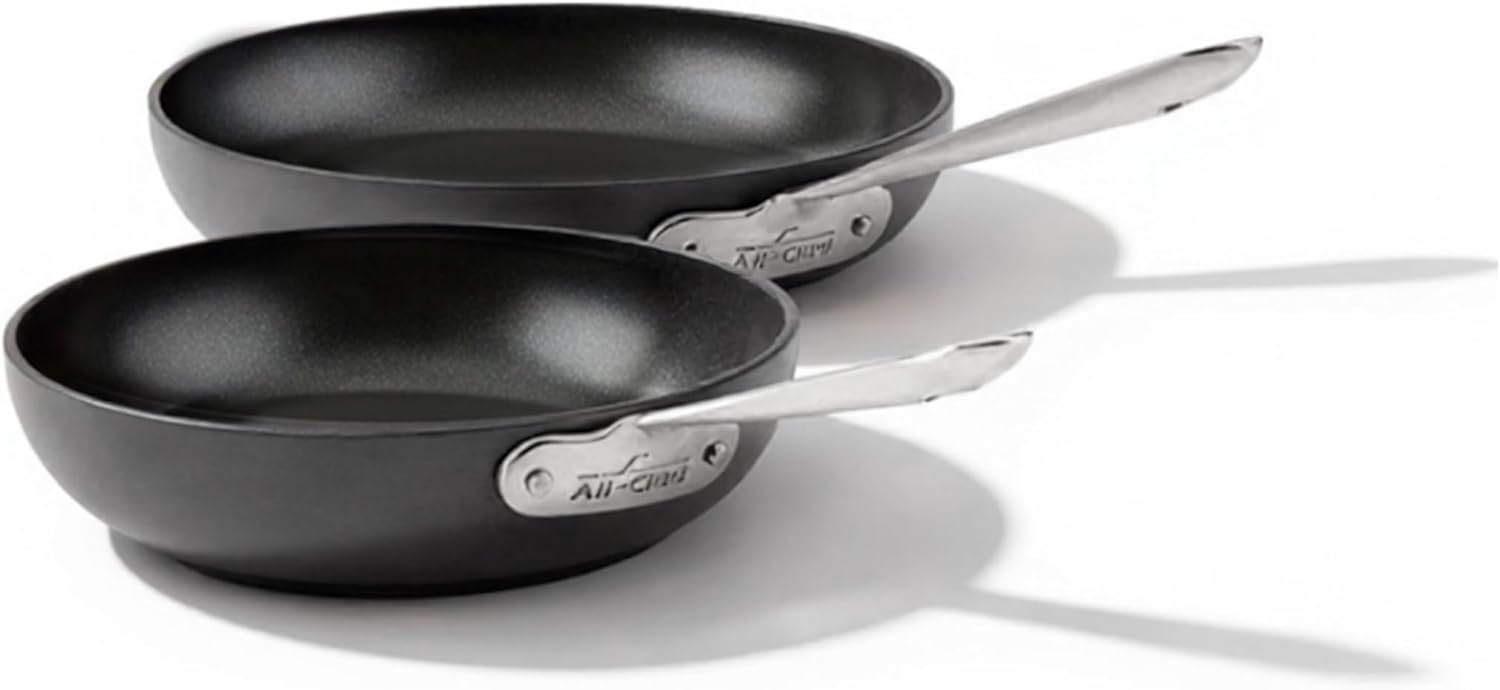
Non-stick surfaces significantly influence how easily food releases and how much oil is required during cooking. Chemical coatings like PTFE or ILAG offer smooth finishes where delicate foods slide off effortlessly with minimal fat. Alternatively, laser-etched stainless steel honeycomb interiors rely on physical steam cushions instead of synthetic layers to prevent sticking. Assessing these coating types helps determine whether you prefer chemical-free durability or effortless daily food release.
Coating types also dictate cleaning routines and utensil compatibility for your cookware. Traditional non-stick surfaces require gentle cleaning tools like silicone or wooden spatulas to prevent scratching. Uncoated hybrid or tri-ply metal interiors tolerate a wider range of cleaning methods and cooking utensils without peeling concerns. Weighing these surface characteristics ensures your selected skillet matches your preferred cleanup habits and daily recipe requirements.
Size and Capacity Considerations
Skillet dimensions directly affect portion sizes and the types of meals you can prepare comfortably. Smaller nine-to-ten-inch models work well for single portions, frying eggs, or sautéing side dishes in compact kitchens. Larger twelve-inch pans or deep five-quart saute options accommodate family-sized meals, whole multi-ingredient stir-fries, and voluminous braised recipes. Matching the pan capacity to your household size prevents overcrowding and ensures even cooking results.
Physical dimensions also impact storage availability inside your kitchen cabinets, pantry shelves, or dishwashers. Wide pans require broader shelf space unless features like detachable handles allow for compact stacking in tight areas. Checking diameter and depth measurements beforehand ensures your cookware fits storage spaces without causing clutter. Evaluating capacity alongside spatial constraints guarantees seamless integration into your existing kitchen setup.
Handle Design and Ergonomics
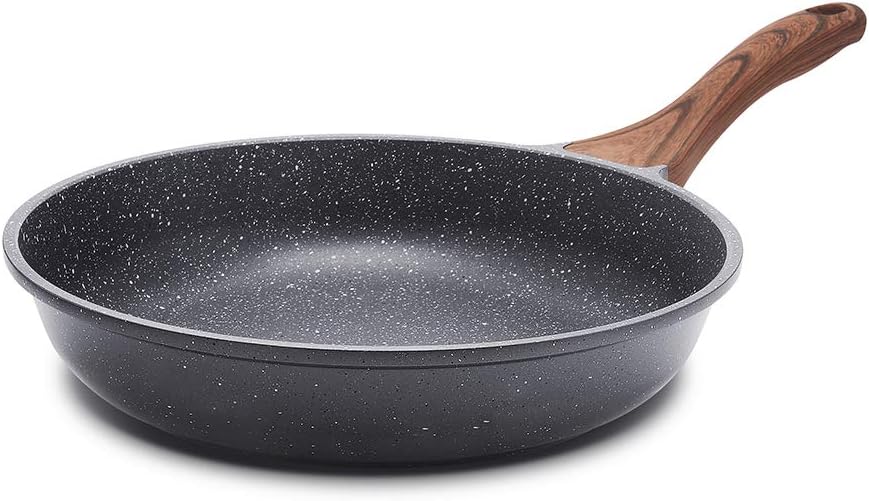
Handle construction plays a critical role in safety, comfort, and maneuverability during active cooking sessions. Ergonomic designs featuring woodgrain bakelite stay cool to the touch on stovetops, reducing the risk of accidental burns. Stainless steel handles offer secure, riveted attachments that withstand higher oven temperatures safely. Evaluating grip shapes and helper handles ensures you can lift heavy, filled pans with confidence and stability.
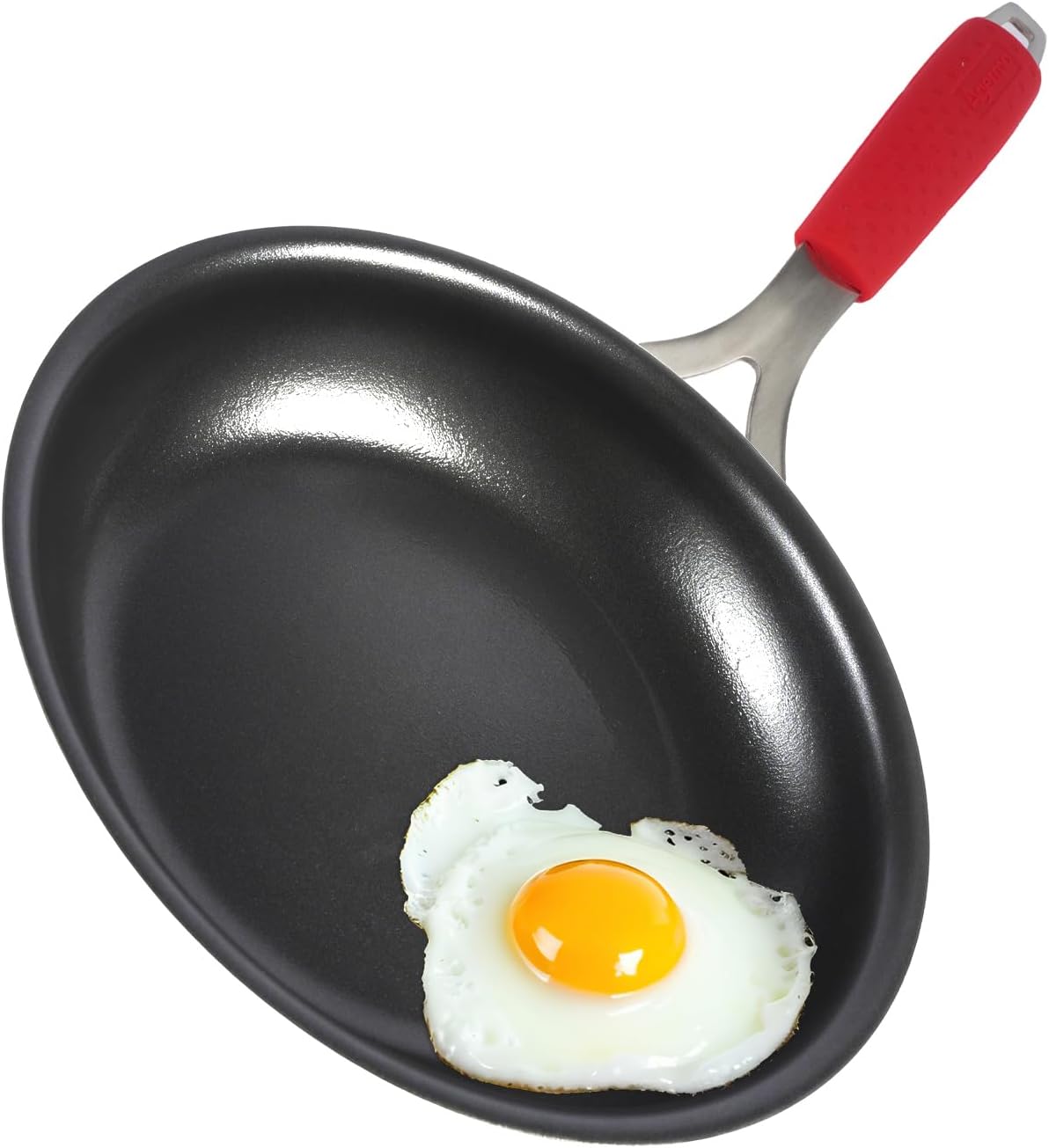
Specialized handle features also influence storage convenience and versatility in constrained kitchen spaces. Detachable handles equipped with silicone sleeves let you shorten the pan profile for easy cabinet stacking or RV travel. Rivet-free interior connections eliminate food traps while depending on sturdy external handle mountings. Assessing how a handle attaches and functions improves both daily cooking comfort and long-term kitchen maintenance routines.
Stovetop and Oven Compatibility
Cookware must match your specific heat sources, whether you use induction, gas, electric coil, or ceramic glass cooktops. Induction compatibility requires a high magnetic conductive stainless steel base integrated into the pan bottom. Checking stove requirements prevents buying cookware that fails to heat properly on your kitchen range. Reviewing maximum temperature limits ensures safe transitions from stovetop searing to oven finishing.
Oven safety ratings vary widely based on handle materials, lid types, and chemical coatings used in construction. Some pans withstand intense heat up to seven hundred fifty degrees Fahrenheit, while others limit baking to three hundred degrees due to handle limits. Lids often feature separate lower temperature thresholds than the main pan body. Verifying these thermal ratings helps prevent accidental damage during broiler use or high-heat baking tasks.
Cleaning and Maintenance Requirements
Maintenance routines dictate how easily a skillet preserves its cooking performance over extended periods of use. Many modern non-stick pans feature dishwasher-safe construction for quick cleanup, though hand washing with mild soap often extends coating life. Rivet-free interiors prevent food buildup in hidden crevices, making sponge cleaning significantly faster. Understanding manufacturer care guidelines helps protect your investment and keeps cooking surfaces performing reliably.
Certain specialized surfaces require specific cleaning steps, such as soaking cooled pans in warm water to loosen stuck residues. Avoiding metal utensils on coated surfaces prevents scratching and preserves non-stick food release capabilities. Reviewing maintenance instructions before purchase ensures your cleaning habits align with what the cookware requires. Selecting a pan with manageable upkeep makes daily kitchen routines much more efficient and straightforward.
Frequently asked questions
Can I use metal utensils on these non-stick skillets?
Manufacturer guidelines generally recommend using non-metal utensils such as silicone, nylon, or wooden tools on coated non-stick surfaces to prevent scratching. Using metal spatulas or whisks can damage synthetic coatings like PTFE or ILAG, reducing their food-release effectiveness over time. However, uncoated stainless steel hybrid interiors resist scratching from metal tools much better. Checking specific manufacturer instructions before cooking helps protect your cookware investment and preserves the cooking surface quality during daily meal preparation.
Are these skillets safe for induction cooktops?
Many of these featured skillets include magnetic stainless steel bases or compatible multi-ply construction engineered for induction cooktops, gas ranges, and electric coils. Models featuring high magnetic conductive bases or tri-ply stainless steel cores heat efficiently across induction surfaces. It is always important to review the specific compatibility details for each individual pan model to ensure proper performance on your specific home stovetop range before making a final purchasing decision.
What is the maximum oven temperature these pans can handle?
Maximum temperature limits vary significantly depending on the specific materials and handle designs of each skillet. Some cast aluminum models with bakelite handles are rated up to three hundred two degrees Fahrenheit, restricting high-heat oven tasks. Other stainless steel hybrid or tri-ply options withstand temperatures up to four hundred or even seven hundred fifty degrees Fahrenheit. Checking the manufacturer ratings for both the pan body and any included lids ensures safe baking and broiling.
How should I clean my non-stick skillet properly?
Proper cleaning depends on the construction and coating type of your skillet. Many models offer dishwasher-safe convenience, though hand washing with warm water, mild soap, and a soft sponge is frequently recommended to extend non-stick surface life. Uncoated hybrid pans or rivet-free models often benefit from soaking in warm water for a few minutes to loosen stuck residues without harsh scrubbing tools. Following specific manufacturer care instructions keeps your cookware clean and functional.
Why choose a pan with a detachable handle?
Skillets featuring detachable handles provide significant space-saving advantages, making them ideal for compact kitchen cabinets, small apartments, or RV living where storage space is restricted. Removing the handle allows the flat pan body to stack easily alongside other cookware. Additionally, removing handles facilitates safe oven use when baking or broiling dishes. Reviewing your storage constraints and cabinet dimensions helps determine if a detachable handle design fits your daily kitchen workflow.