Appliances · Buying Guide
Best Three Tier Steamer Pot Choices for Multi-Dish Family Meals
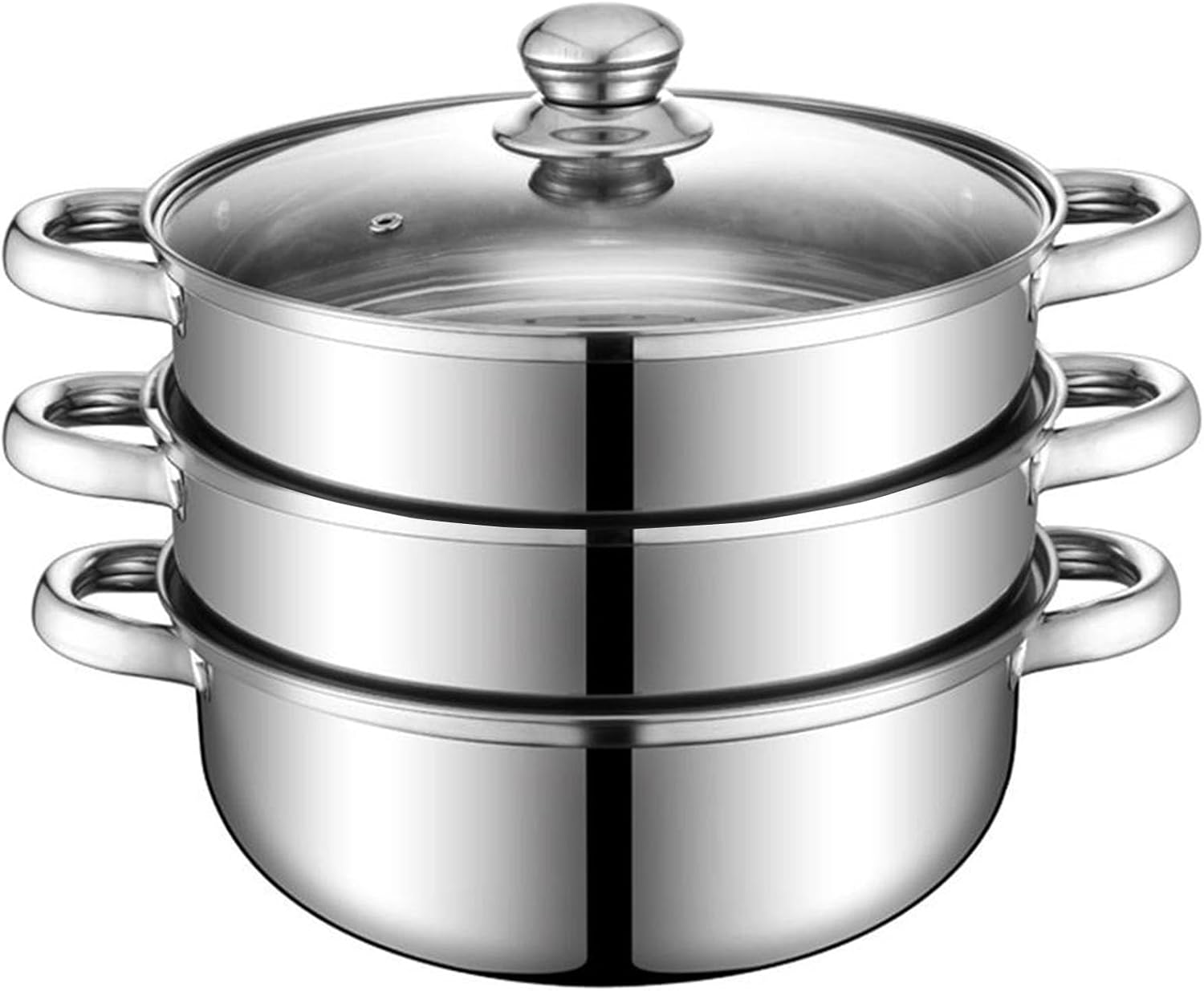
Cooking multiple dishes at once can streamline busy kitchen routines, and a reliable three tier steamer pot offers a practical way to achieve this efficiency. By stacking interchangeable trays over a single base stockpot, home cooks can prepare grains, vegetables, and proteins simultaneously without crowding burners or using extra cookware during busy weeknight dinners.
Selecting the right model depends heavily on stove compatibility, overall capacity requirements, and preferred construction materials like durable stainless steel. Reviewing specific design attributes ensures you find a multi-level cooker that seamlessly fits your kitchen habits and daily meal preparation needs without guesswork while improving overall cooking efficiency across various family recipes.
As an Amazon Associate, StacyLaughs earns from qualifying purchases.
Buying guide
Material Composition and Food Safety
Selecting a multi-level cooker requires closely examining the primary metal used in its construction. Food-grade stainless steel offers robust durability, reliable corrosion resistance, and a completely neutral cooking surface that never alters delicate food flavors during extended steaming sessions. Choosing reliable metals ensures your investment handles daily exposure to moisture and heat without premature wear or structural compromise, keeping your kitchen routine smooth and dependable over years of heavy meal preparation.
High-quality grades such as 304 stainless steel guarantee long-term operational reliability in busy home kitchens. Checking these foundational material specifications helps confirm that your cookware withstands high boiling temperatures without degrading or retaining stubborn food odors, unlike alternative porous materials. Maintaining proper hygiene becomes simpler when surfaces resist staining and clean smoothly after every use.
Stovetop Compatibility and Base Construction
Compatibility with your existing kitchen range is a critical factor before purchasing any multi-tier cookware. While traditional models function well on gas, electric, and halogen cooktops, induction compatibility requires a specialized magnetic base layer. Reviewing the bottom construction helps you verify whether a capsule or tri-ply design is present to distribute heat evenly and prevent annoying hot spots that ruin delicate steamed fish or vegetables.
A thick composite bottom also protects against thermal warping when subjected to high heat over long cooking periods. Ensuring your chosen pot matches your specific stove type prevents frustrating performance issues and guarantees efficient energy transfer from burner to food, saving both time and electrical or gas energy during meal prep.
Capacity and Tier Configuration
Assessing your household size helps determine the ideal pot volume and tier count for your daily meal preparation style. Smaller households often thrive with compact five-to-eight-quart models, while larger families or avid entertainers benefit from expansive fourteen-quart capacities. Stackable inserts let you cook grains in the base while steaming vegetables and proteins above, saving precious burner space on your stove.
Consider how many independent levels you actually need for complex simultaneous cooking tasks. Flexible setups that convert easily between single, double, and triple configurations offer exceptional versatility for changing recipes, dietary preferences, and varying portion sizes throughout the week without cluttering your kitchen cabinets.
Lid Design and Steam Management
The lid plays a vital role in trapping moisture and regulating internal temperature during the steaming process. Transparent glass lids let you monitor cooking schedules easily without lifting the cover, preventing unnecessary heat loss. Alternatively, stainless steel lids lock in heat aggressively and withstand higher oven temperatures safely when recipes require finishing dishes in the oven.
Integrated steam vents help release excess pressure and minimize messy condensation drips around the rim of the pot during heavy cooking. Evaluating these specific lid features ensures a much cleaner cooking experience and gives you superior control over the texture, moisture, and overall flavor of your favorite steamed foods.
Handle Ergonomics and Safety
Maneuvering a fully loaded multi-tier pot requires secure, well-designed handles that stay comfortable during transit from the stove. Stay-cool handles protect your hands from high stove temperatures, while solid metal handles provide robust durability when moving heavy loads from burner to dining table. Checking these structural attachments prevents accidents and ensures steady control over bulky cookware filled with food items.
Examining how handles are securely riveted ensures long-term structural stability and prevents dangerous loosening over years of heavy kitchen use. Proper ergonomics significantly reduce hand strain and enhance daily safety when lifting hot, steaming cookware filled with boiling water and heavy food batches for your family gatherings.
Cleaning and Maintenance Requirements
Maintaining your cookware properly preserves its polished finish and prevents mineral buildup from hard water exposure over time. Many stainless steel steamers are listed as dishwasher safe, though manufacturer guidelines frequently recommend gentle hand washing with non-abrasive pads to maintain maximum exterior shine and prevent scratching. Taking these extra steps ensures your kitchen investment looks pristine.
Following suggested cleaning tips, such as using warm water and mild vinegar solutions, removes stubborn heat spots effectively without harming the metal. Proper thorough drying after each wash protects stainless steel surfaces and keeps your multi-tier cooker ready for the next culinary session without unpleasant odors.
Frequently asked questions
Can I use a three tier steamer pot on an induction cooktop?
Induction compatibility depends entirely on the specific model's base construction and materials. While some multi-tier steamers feature specialized triply or composite capsule bottoms designed to work seamlessly with induction, electric, and gas stoves, others are strictly manufactured for traditional non-induction cooktops. Always verify the manufacturer specifications before purchasing if you rely on an induction range, as mismatched cookware will fail to heat up properly on magnetic glass surfaces. Checking this detail prevents compatibility issues in your kitchen.
How do I clean water spots or stains off stainless steel steamers?
Stainless steel cookware can sometimes develop small spots or mineral discoloration from heat and water exposure. Manufacturers often recommend cleaning these surface marks using warm water combined with a little white vinegar and a non-abrasive plastic mesh pad. Avoid harsh steel wool or abrasive cleaners that can scratch the polished finish. Hand drying the pot immediately after washing also helps prevent water spots and preserves the shiny exterior appearance over years of regular use.
Can I use the steamer inserts separately from the main pot?
Yes, most multi-tier steamer systems offer modular flexibility allowing you to use the components in various configurations. You can typically use the bottom stockpot independently for boiling pasta, making soups, or cooking large batches of grains. The stackable steamer trays can also be combined as a two-level setup or single level depending on your recipe requirements. This adaptability lets you customize the cookware for smaller meal portions without needing extra pots.
Are these steamer pots safe for use in the dishwasher?
Many stainless steel steamer pots and components are rated as dishwasher safe for convenient cleanup. However, manufacturer care instructions frequently recommend hand washing to maintain the polished finish and prevent potential cosmetic wear over time. If your model includes specialized glass lids or wooden parts, check the exact temperature thresholds and guidelines, as lids often have lower heat limits than the main stainless steel pots and baskets during cleaning and cooking cycles.
What types of food can I cook in a three tier steamer pot?
A three tier steamer pot accommodates a wide variety of foods simultaneously without flavor transfer between levels. You can steam vegetables like broccoli and carrots, prepare dumplings, buns, momos, and dim sum, or cook seafood including crab legs, shrimp, oysters, and fish. The large bottom pot handles grains, soups, stock, or even tamales while upper tiers steam proteins and side dishes concurrently, making it an efficient tool for preparing complete family meals.