Appliances · Buying Guide
Best Non Stick Cookware Choices for Reliable Daily Home Cooking
Selecting the right top non stick cookware set makes preparing everyday family meals much simpler and keeps post-cooking cleanup remarkably manageable for busy cooks. Different kitchen spaces and daily cooking habits require specific surface types, handle materials, and piece counts to match gas, electric, or ceramic stovetops effectively during regular home cooking sessions.
Whether you need an expansive multi-piece collection for diverse cooking styles or a more compact arrangement for standard daily stovetop tasks, carefully evaluating construction materials, handle comfort, and lid designs helps narrow down the choices. Let's examine five distinct cookware options available today to see how their specific features align with practical kitchen routines and home storage spaces.
As an Amazon Associate, StacyLaughs earns from qualifying purchases.
Buying guide
Material Construction and Durability
Choosing the right material forms the foundation of any successful cookware purchase. Hard-anodized aluminum provides exceptional resistance to warping and corrosion while ensuring rapid, even heat distribution across burners. Tri-ply stainless steel alternatives combine metal durability with rapid thermal response, making them suitable for rigorous daily use. Evaluating how the body material stands up to regular kitchen tasks ensures long-term reliability without premature degradation during heavy cooking sessions.
Manufacturers craft these surfaces to handle daily wear, but your choice depends heavily on personal cooking preferences and maintenance habits. Hard-anodized models offer sturdy frames that prevent flexing under high heat, whereas hybrid stainless steel options deliver rigid structural integrity. Checking the core composition helps you select pots and pans that maintain their shape and cooking efficiency over years of frequent family meal preparation.
Stovetop Compatibility and Heat Source
Stovetop compatibility determines whether a cookware set will function correctly in your specific kitchen environment. Many aluminum collections work seamlessly on gas, electric coil, and glass-ceramic cooktops but lack the magnetic properties required for induction ranges. If you cook using an induction surface, verifying magnetic stainless steel bases is essential. Reviewing your cooktop type before buying prevents compatibility issues and ensures proper heat transfer.
Traditional gas and electric stoves accommodate almost any cookware base material, giving you broader freedom when selecting piece collections. However, specialized magnetic layers are non-negotiable for induction cooktops. Matching the cookware specifications to your kitchen heat source guarantees efficient thermal performance and prevents frustrating cooking delays caused by mismatched heating technology.
Nonstick Coating Types and Care
Nonstick coatings simplify food release and reduce the amount of oil needed for daily frying and sautéing tasks. Different collections use standard PTFE nonstick layers, titanium-reinforced finishes, or diamond-textured ceramic surfaces. Each coating type offers varying levels of scratch resistance and longevity. Understanding these surface variations helps you choose pans that keep eggs and delicate foods sliding smoothly across the cooking surface without sticking.
Proper maintenance preserves coating performance over time. While some collections boast dishwasher safety, others require gentle hand washing with soft sponges to protect the nonstick layer. Furthermore, checking whether a surface tolerates metal utensils or requires silicone tools prevents accidental scratching. Balancing cleanup convenience with coating durability ensures your cookware remains effective throughout its operational lifespan.
Handle Design and Ergonomic Comfort
Handle construction directly impacts safety and comfort while you maneuver heavy pots filled with liquids or food. Dual-riveted silicone handles provide a secure, heat-resistant grip that stays cool during extended stovetop cooking sessions. Alternatively, removable handles offer unique stackable storage advantages by detaching completely when moving pans between burners, ovens, and refrigerators. Evaluating handle attachment style ensures secure control during kitchen routines.
Ergonomics matter when lifting large stockpots or tilting heavy sauté pans filled with ingredients. Stainless steel cast handles deliver rigid durability, while silicone overlays enhance tactile comfort and prevent hand fatigue. Considering how each handle feels in your hand helps prevent accidental spills and improves overall maneuverability while cooking complex recipes for family dinners.
Piece Count and Storage Needs
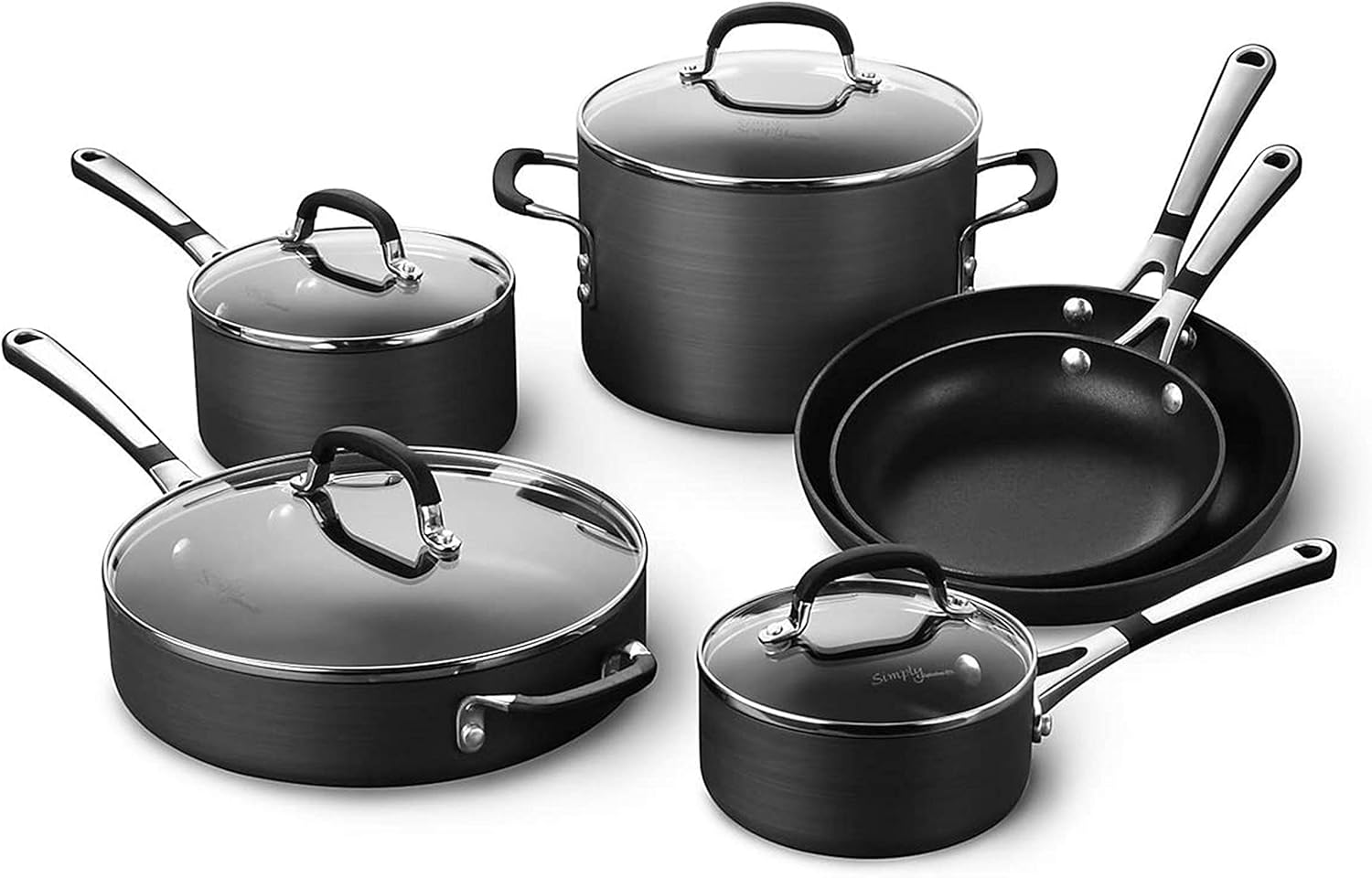
Cookware sets range from compact ten-piece kits to expansive collections exceeding twenty pieces. Assessing your household size and typical meal preparation habits helps determine whether you need specialized items like steamer inserts, griddles, or multiple saucepans. Larger sets provide incredible versatility for diverse recipes, but they also demand significantly more cabinet and counter space for proper organization between uses.
Storage limitations often dictate the ideal collection size for your kitchen layout. Stackable designs with removable handles or nesting pots maximize limited cabinet space effectively. Carefully measuring available drawer and shelf dimensions before purchasing ensures your new cookware collection fits neatly into your kitchen without creating frustrating clutter or overflowing storage areas.
Oven Safety and Temperature Limits
Oven safety expands your cooking capabilities by allowing you to start a dish on the stovetop and finish it with high heat inside the oven. Many nonstick aluminum sets tolerate temperatures up to 400 degrees Fahrenheit, while heavy-duty stainless steel hybrid collections withstand much higher broiler heat limits. Checking maximum temperature ratings for both pans and glass lids prevents warping or glass damage.
Lids often feature lower temperature thresholds than the pots and pans themselves, requiring careful attention when transferring cookware into hot ovens. Reviewing manufacturer temperature guidelines ensures you select equipment that safely meets your baking, roasting, and searing requirements without compromising structural integrity or lid clarity during high-heat cooking sessions.
Frequently asked questions
Can I use metal utensils on nonstick cookware surfaces?
Using metal utensils depends entirely on the specific manufacturing technology of your chosen cookware set. Traditional nonstick coatings and standard aluminum pots typically require nylon, silicone, or wooden tools to prevent scratching and preserve the smooth food release layer. However, advanced diamond-reinforced ceramic hybrid collections are specifically engineered to withstand metal utensils without compromising nonstick performance. Always check the manufacturer guidelines before introducing metal spatulas or whisks to protect your investment and maintain surface longevity.
Are all nonstick cookware sets safe for use in the dishwasher?
Dishwasher safety varies across different cookware collections and brands. While many aluminum nonstick sets are explicitly rated as dishwasher safe for convenient cleanup, other collections require hand washing with non-abrasive sponges or soft bristle brushes. Automated dishwasher detergents and high heat cycles can sometimes degrade specialized exterior finishes or nonstick coatings over time. Reviewing the product care instructions before purchase ensures you select a cleaning method that matches your daily household routine.
How do I know when my nonstick frying pan is properly preheated?
Preheating a frying pan correctly ensures even cooking results and helps food release effortlessly from the surface. Some advanced cookware collections feature built-in thermal indicator spots that change color, turning solid red when the pan reaches the ideal cooking temperature. For collections without visual indicators, heating the pan on medium heat for a brief moment before adding oil or ingredients works effectively. Avoid overheating empty pans to protect the coating.
Can hard-anodized aluminum cookware be used on induction cooktops?
Traditional hard-anodized aluminum cookware sets generally lack magnetic properties and are not compatible with induction cooktops, functioning instead on gas, electric, and ceramic ranges. If you cook using an induction surface, you must look for specifically designated induction-compatible collections, such as tri-ply stainless steel hybrid sets with magnetic bases. Always verify the compatibility options listed by the manufacturer before purchasing cookware for an induction stove setup to ensure proper heat transfer.
What are the advantages of choosing a set with removable handles?
Cookware sets featuring detachable handles offer exceptional space-saving benefits, allowing pans to stack neatly and save up to seventy percent more cabinet space compared to traditional cookware. Removable handles also provide incredible versatility, enabling the pans to transition smoothly from stovetops to ovens, grills, refrigerators, and dining tables in a single click. This modular design helps declutter small kitchens, though it does require attaching and removing handles manually during active cooking routines.