Appliances · Buying Guide
Best tramontina 12 quart stock pot alternatives for home cooking

Selecting a large cooking vessel for family meals or batch preparation requires careful attention to material construction and heating performance. A reliable twelve quart capacity handles boiling pasta, simmering stocks, and cooking stews for large gatherings without crowding ingredients. High-quality stainless steel builds provide durable surfaces that resist corrosion while maintaining a polished appearance on various cooktops throughout daily kitchen tasks.
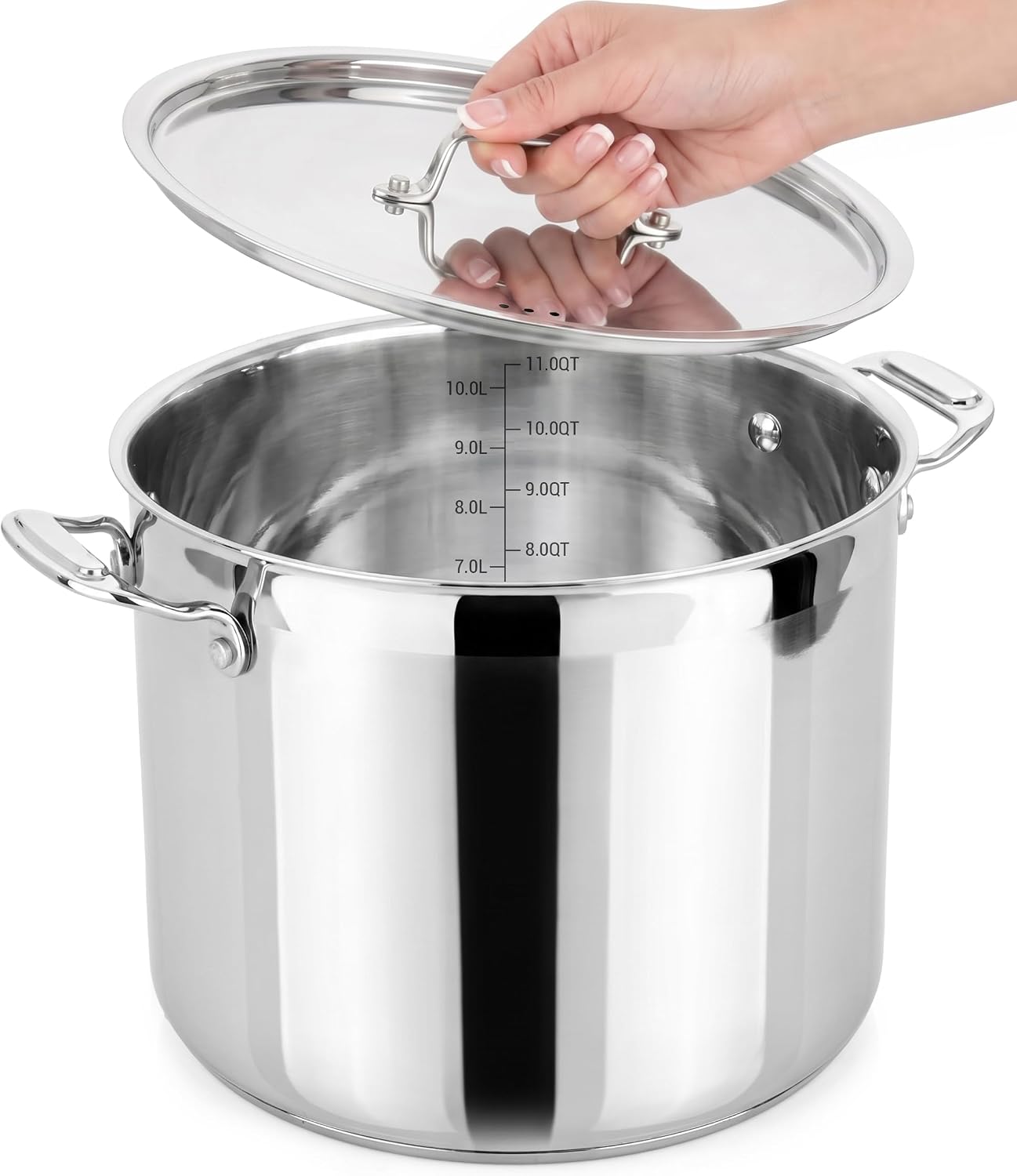
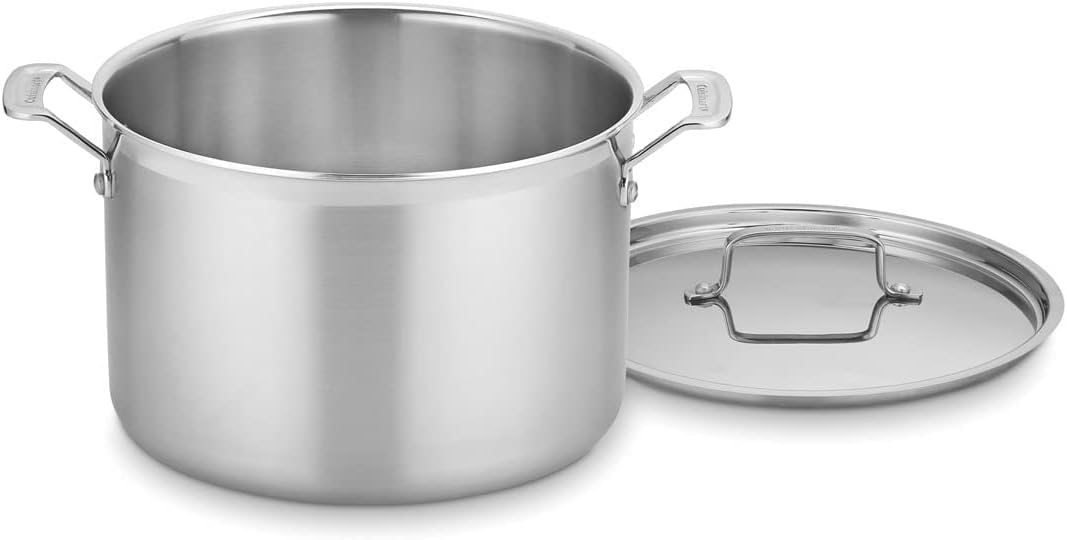
Exploring options beyond a standard tramontina 12 quart stock pot reveals several alternative models featuring multi-ply construction, secure lids, and ergonomic handles designed for daily culinary tasks. Understanding how base thickness, handle attachment, and heat distribution affect cooking results helps home cooks choose a suitable vessel. Evaluating these physical attributes ensures proper compatibility with induction, gas, or electric ranges while supporting efficient meal preparation routines.
As an Amazon Associate, StacyLaughs earns from qualifying purchases.
Buying guide
Material Composition and Durability
Choosing a twelve-quart stock pot begins with examining the metal composition used throughout its body and base. High-grade stainless steel surfaces resist corrosion, rust, and food reactions, preserving natural flavors during long simmering sessions. Premium cooking vessels often utilize specific grading standards to guarantee food safety and non-reactive cooking performance. This metallic stability prevents metallic tastes from transferring into delicate broths, long-simmering tomato sauces, or acidic reduction recipes prepared for family dinners.
Multi-layer or tri-ply bonded designs integrate responsive aluminum cores between durable stainless steel outer layers to enhance thermal conductivity. This robust structural pairing ensures long-term durability while providing a polished kitchen aesthetic that withstands frequent daily use. Evaluating how metals are bonded prevents warping under high heat, ensuring flat contact across electric and induction cooktops over years of reliable culinary performance.
Heat Distribution and Cooktop Compatibility
Effective heat distribution remains critical when managing large liquid volumes in a twelve-quart capacity pot. Impact-bonded bases or encapsulated aluminum disks eliminate hot spots that could otherwise scorch ingredients during extended simmering periods. Fast, even thermal transfer allows soups and stocks to reach rolling boils efficiently without requiring excessive burner output across residential cooktops.
Cooktop compatibility dictates how versatile your cookware investment will be across different kitchen environments. Modern stainless steel stock pots typically support electric, gas, ceramic, and halogen ranges. Furthermore, magnetic exterior layers ensure seamless operation on induction cooktops, giving home cooks the flexibility to upgrade their kitchen ranges without replacing essential large-capacity cooking vessels.
Handle Construction and Ergonomic Safety
Managing a heavy twelve-quart pot filled with water requires secure, well-engineered handle construction. Riveted stainless steel handles provide superior structural strength compared to welded alternatives, ensuring the heavy vessel remains firmly attached during transport. Ergonomic contours allow a balanced grip, helping home cooks maintain control when lifting the pot from the stovetop to the sink or countertop.
Many modern designs incorporate hollow or cast-stainless structures that stay cooler during standard stovetop heating. However, users should always keep oven mitts nearby when dealing with extended high-temperature cooking tasks or transferring vessels directly into the oven. Evaluating handle placement and grip comfort prevents accidental slips, ensuring safe kitchen workflows when moving heavy culinary loads.
Lid Design and Moisture Retention
The lid plays a vital role in locking in heat, moisture, and aromatic flavors during long stock-making sessions. Tight-fitting stainless steel lids seal the cooking chamber effectively, minimizing evaporation and concentrating flavors within soups, stews, and braises. Some cooks prefer stainless covers for maximum durability and heat retention, while others favor tempered glass alternatives that allow visual monitoring of boiling liquids.
Examining how securely the lid rests on the pot rim helps determine how efficiently steam is managed during cooking. A well-constructed cover prevents excessive rattling during rapid boiling while containing splatters and reducing cleanup time. Selecting between solid metal and glass variants depends entirely on personal preference regarding visual inspection versus rugged, drop-resistant durability in busy family kitchens.
Oven Safety and Thermal Limits
Expanding cooking capabilities often involves transitioning a stock pot directly from the stovetop into a hot oven. High-temperature resistance allows home cooks to braise meats, finish stews, or bake large casseroles within the same vessel. Premium stainless steel stock pots typically withstand oven temperatures ranging from five hundred up to six hundred degrees Fahrenheit safely, provided no fragile plastic components are attached.
Checking the manufacturer specifications regarding maximum oven thresholds prevents structural damage to handles, knobs, or bonded bases. Glass lids often feature lower thermal limits than all-metal pots, requiring careful attention when transferring covered vessels into intense broiler environments. Understanding these temperature boundaries ensures versatile performance without compromising the integrity of your cookware collection.
Maintenance and Cleaning Considerations
Proper maintenance preserves the polished finish and structural longevity of high-quality stainless steel cookware. While many modern twelve-quart stock pots are designated as dishwasher safe, frequent machine washing can sometimes dull exterior mirror finishes over extended periods. Hand washing with warm soapy water and non-abrasive sponges helps maintain the brilliant shine while removing stubborn food residue safely after cooking rich stocks and stews.
Following manufacturer cleaning recommendations ensures that bonded bases and riveted joints remain free from mineral buildup or corrosion. Utilizing specialized stainless steel cleaners can eliminate occasional discoloration caused by high-heat cooking or hard water deposits. Establishing a consistent cleaning routine protects your investment, keeping your large stock pot ready for everyday meal preparation and large-scale entertaining tasks.
Frequently asked questions
What can I cook in a twelve-quart stock pot?
A twelve-quart stock pot provides ample capacity for preparing large batches of chicken noodle soup, hearty beef stews, vegetable stocks, and savory broths. It is also exceptionally well-suited for boiling large quantities of pasta, steaming corn on the cob, cooking seafood boils, or rendering large amounts of liquid for canning and preserving. The generous depth and height prevent messy overflows while accommodating bulky ingredients like whole chickens, large root vegetables, and expansive bundles of fresh herbs during weekend meal prep sessions.
Are stainless steel stock pots safe for induction cooktops?
Many modern stainless steel stock pots feature magnetic exterior layers or impact-bonded multi-ply bases designed specifically for induction cooktop compatibility. Induction ranges rely on magnetic fields to generate heat directly within the cookware base, making ferromagnetic stainless steel an ideal material choice. Always verify that your chosen stock pot includes a compatible magnetic outer layer if you plan to use it on an induction surface, ensuring rapid and efficient thermal transfer during everyday cooking tasks.
How do I prevent food from burning on the bottom of my stock pot?
Preventing food from burning involves selecting a stock pot equipped with a multi-ply or encapsulated aluminum base that distributes heat evenly across the entire cooking surface. Cooking over moderate heat settings rather than turning burners to maximum levels also protects thick liquids, sauces, and stocks from scorching. Stirring contents regularly during the initial heating phase ensures ingredients do not settle against the base, maintaining smooth thermal consistency throughout long simmering recipes.
Can I put my stainless steel stock pot in the oven?
Most quality stainless steel stock pots are oven-safe, with manufacturer temperature limits typically ranging from five hundred to six hundred degrees Fahrenheit. This high-temperature tolerance allows you to braise meats, finish roasted dishes, or bake large casseroles seamlessly within the same cooking vessel. However, you must always check specific manufacturer guidelines, especially if the pot includes a tempered glass lid or specialized handle components that may possess lower thermal tolerance thresholds during baking.
What is the best way to clean a stainless steel stock pot?
Hand washing your stainless steel stock pot with warm soapy water and a non-abrasive sponge is generally recommended to preserve its polished exterior shine. Although many models are listed as dishwasher safe, regular machine washing can sometimes cause minor surface dullness or water spotting over time. For stubborn food residue or heat discoloration, soaking the pot in warm water or utilizing a specialized stainless steel cleaner restores the original luster without scratching the metal surface.