Appliances · Buying Guide
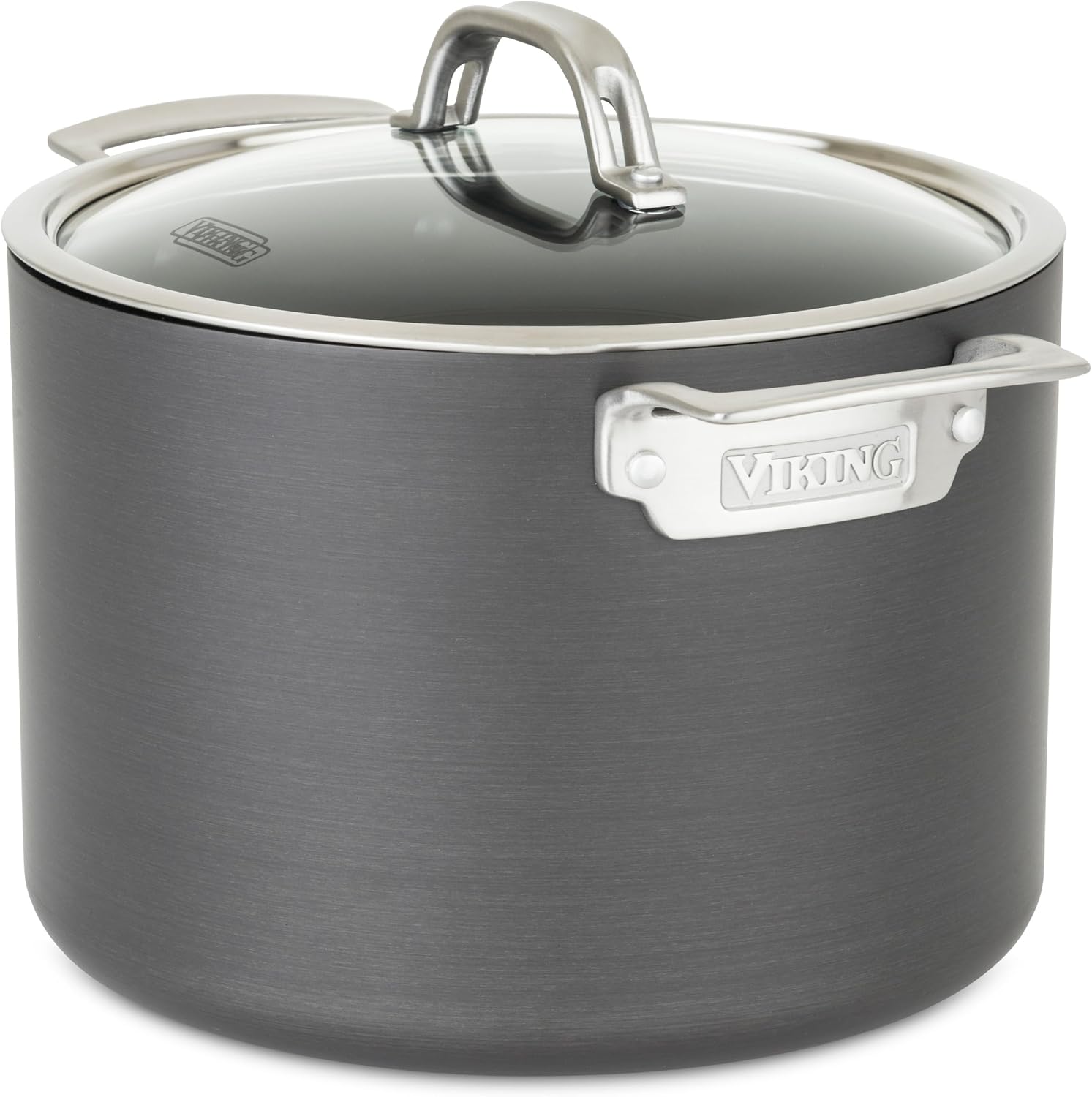
Best Viking 12 Qt Stock Pots for Large Family Meals and Soups
Choosing the right stock pot fundamentally changes how you prepare large batches of soup, boil pasta, or simmer rich broths for family gatherings and weekly meal prep sessions. Viking offers several multi-ply stainless steel and hard anodized options designed to heat quickly and evenly across different modern cooktops, including high-powered induction ranges.
Whether you need a massive twelve-quart vessel for community-sized recipes, a versatile eight-quart everyday pot, or a compact container for daily sauces, understanding the capacity, material build, and lid features helps you select the ideal cookware for your home kitchen routines, stovetop setups, and cabinet storage spaces without unnecessary guesswork.
As an Amazon Associate, StacyLaughs earns from qualifying purchases.
Buying guide
Capacity and Volume Selection
Selecting the correct capacity is essential when purchasing a Viking stock pot for your home kitchen. Smaller households or individuals preparing side dishes often find compact models sufficient, while growing families need larger pots for daily soups and stews. Evaluating your typical portion sizes helps prevent buying a vessel that is either too small or overly cumbersome.
A twelve-quart model provides the massive volume required for bulk cooking, community gatherings, and boiling large quantities of pasta at once. However, larger pots take up more storage space and require extra sink room for washing. Consider your meal habits and storage space carefully before deciding on a specific capacity.
Material Construction and Heat Distribution
The physical build of your cookware dictates how efficiently it handles heat on the stovetop. Multi-ply stainless steel stock pots utilize layers of metal, such as an aluminum core sandwiched between stainless steel surfaces, to encourage fast and even heat transfer. This construction eliminates troublesome hot spots that can scorch delicate broths or sauces during long simmers.
Hard anodized aluminum options also offer reliable heat distribution across both the base and the sides of the cooking pot. Choosing quality metal materials ensures your cookware responds quickly to temperature adjustments, giving you precise control whether you are bringing liquids to a rapid rolling boil or maintaining a gentle, steady simmer.
Interior Coatings and Food Release
Interior cooking surfaces vary significantly between traditional stainless steel and specialized nonstick options. Standard stainless steel interiors are completely non-reactive and highly durable, allowing for heavy-duty utensils and vigorous cleaning routines over years of frequent use. They excel at developing rich flavors and fond when searing ingredients before adding liquids for braising or stewing recipes.
On the other hand, advanced nonstick surfaces like titanium or multi-layer coatings provide effortless food release with minimal added cooking oils. These specialized interiors simplify cleanup after cooking sticky ingredients, grains, or delicate sauces. Weigh your personal preference for long-term stainless durability against the daily convenience of effortless nonstick food release.
Lid Types and Monitoring Progress
Lids play a major role in how you manage moisture, heat retention, and visibility while cooking soups and stocks. Tempered glass lids let you check on your food without lifting the cover, keeping steam and internal temperature stable inside the cooking vessel. Many glass lids also feature integrated vents to release excess steam and prevent accidental boil-overs.
Metal lids offer maximum durability and high-temperature oven safety, though they require you to lift the cover to view your progress during long simmering sessions. Consider whether visual monitoring through glass or rugged metal heat retention is more important for your everyday cooking style and favorite recipes.
Cooktop Compatibility and Oven Safety
Ensuring your stock pot works across your specific kitchen appliances is vital for long-term usability and everyday versatility. Most modern Viking stock pots are engineered to be fully compatible with all common cooktop types, including gas, electric, ceramic, and high-powered induction ranges. Magnetic stainless steel bases ensure efficient heating performance on induction cooktops without issues.
Additionally, checking maximum oven temperature ratings is important if your favorite recipes require transferring pots directly from the stovetop into the hot oven. While many stainless models safely withstand heat up to six hundred degrees, specific nonstick components or glass lids may feature lower temperature thresholds that you must respect during baking.
Handle Ergonomics and Cleanup Maintenance
Comfort and routine maintenance heavily influence how often you will reach for your cookware in the busy kitchen. Riveted ergonomic handles provide a secure, balanced grip when lifting heavy pots filled with liquid, even when you are wearing thick oven mitts or using kitchen towels. A well-balanced handle design significantly reduces hand strain and wrist fatigue during transport.
Regarding daily cleanup, dishwasher-safe stainless steel models offer effortless maintenance after heavy cooking sessions. Conversely, pots featuring specialized nonstick surfaces often require gentle hand washing by hand to preserve their protective coatings over time. Reviewing manufacturer care guidelines helps maintain your cookware's performance and appearance for many years.
Frequently asked questions
Are Viking stock pots compatible with induction cooktops?
Yes, Viking stock pots are designed to be fully compatible with all common cooktop types, including gas, electric, ceramic, and high-powered induction ranges. Models featuring stainless steel exteriors or magnetic bases ensure efficient heat transfer on induction cooktops. This universal cooktop compatibility allows you to transition your cookware easily between different kitchen setups or future appliance upgrades without ever worrying about whether the pot will heat properly on your specific stove surface during cooking.
Can Viking stock pots go into the oven?
Many Viking stock pots are safe for oven use, though maximum temperature limits vary depending on the specific model and its included components. Several stainless steel pots safely withstand high temperatures up to six hundred degrees Fahrenheit. However, if your pot includes a glass lid or specialized nonstick coating, temperature limits may be lower, such as three hundred fifty degrees for certain glass lids. Always check the specific manufacturer guidelines for your exact pot model before oven baking.
Are these stock pots dishwasher safe?
Dishwasher safety depends entirely on the materials and coatings of the specific stock pot model you choose. Stainless steel Viking stock pots are generally dishwasher safe, making cleanup straightforward after preparing large meals. On the other hand, models featuring specialized nonstick surfaces typically require gentle hand washing with warm water to protect the protective coating's longevity over years of use. Reviewing the product specifications for your chosen model will ensure you follow the correct cleaning instructions.
What is the advantage of a three-ply construction?
A three-ply construction combines multiple layers of metal to improve overall cooking performance and efficiency. Typically, this design features a non-reactive stainless steel interior, an aluminum core for fast and even heat distribution, and a magnetic stainless exterior for full induction compatibility. This layered approach eliminates troublesome hot spots that can scorch food, allowing you to achieve rolling boils quickly and maintain stable temperatures when simmering delicate soups, sauces, or stews.
How do I choose between stainless steel and nonstick stock pots?
Choosing between stainless steel and nonstick stock pots depends heavily on your cooking style and maintenance preferences. Stainless steel is exceptionally durable, allows for metal utensils, and handles high-heat searing or dishwasher cleanup with ease. Nonstick stock pots offer effortless food release with minimal oil, making them ideal for delicate dishes and quick cleanup, though they often require gentle hand washing. Consider your everyday recipes and cleaning habits to select the most suitable surface.