Appliances · Buying Guide
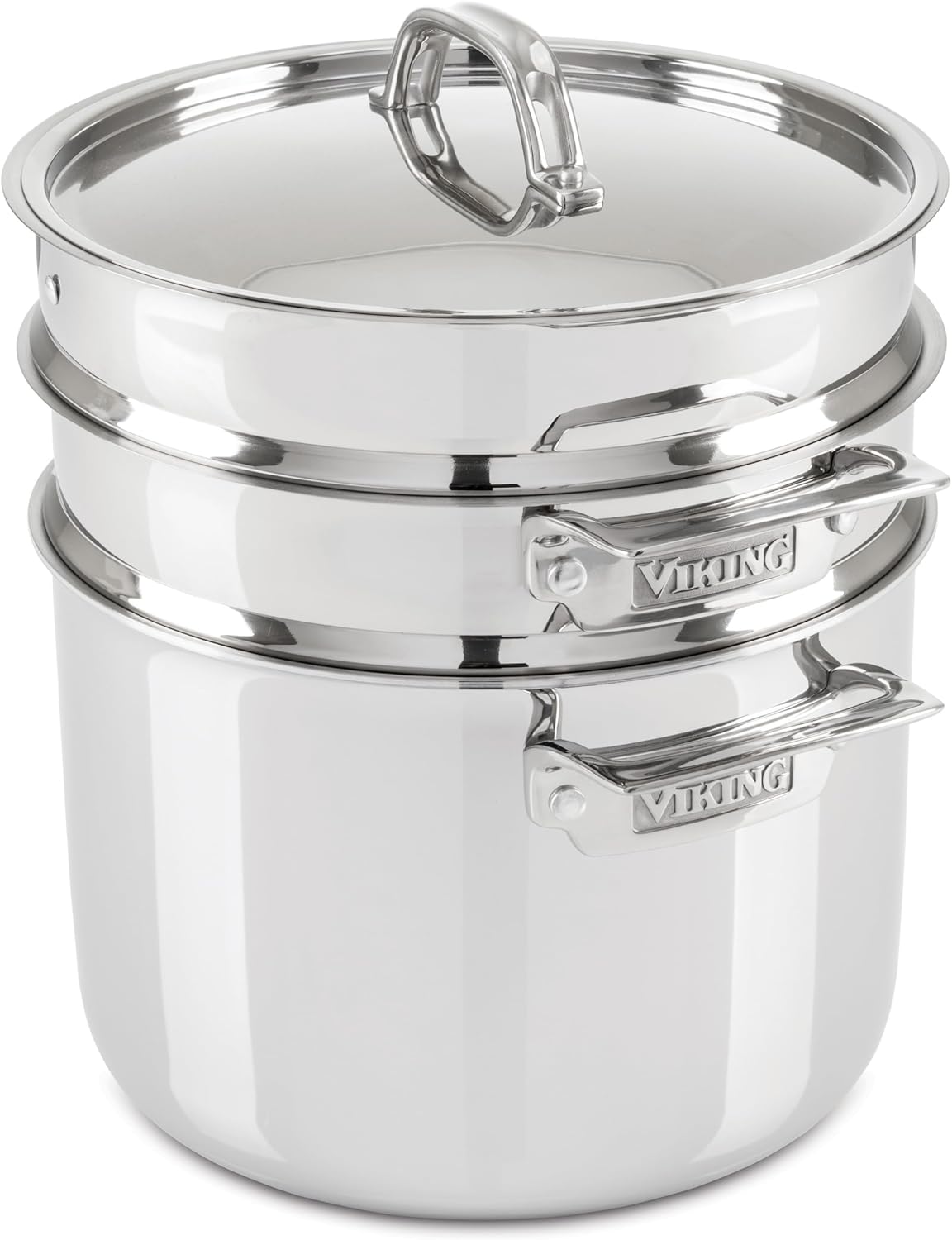
Best Viking 12 Quart Stock Pot For Large Family Batch Cooking
Finding the right cookware for large culinary tasks requires looking closely at construction, capacity, and heat distribution across various heating surfaces. Viking offers a diverse array of stainless steel and specialized nonstick options designed to handle everything from quick weeknight side dishes to massive weekend gatherings, ensuring reliable performance when preparing your favorite family recipes.
Whether you need a massive 12-quart vessel for simmering large batches of stocks and soups or a more compact pot for smaller reductions, understanding each model's specific build helps match your kitchen style. These multi-layer pots emphasize structural durability, even heating across induction or gas cooktops, and dependable oven compatibility up to high temperature thresholds.
As an Amazon Associate, StacyLaughs earns from qualifying purchases.
Buying guide
Capacity and Batch Size Considerations
Selecting the proper capacity for your stock pot depends heavily on your household size and typical cooking habits. Smaller pots around three to four quarts work wonderfully for side dishes, reductions, and single-serving soups. Meanwhile, moving up to eight or twelve quarts gives you the volume needed for family meals, stocks, and big batches of pasta.
Matching the pot size to your actual needs prevents storage clutter and ensures efficient heating. A massive 12-quart pot requires substantial cabinet room and burner space, making it ideal for bulk cooking rather than daily light tasks. Carefully evaluate your standard recipe yields before committing to a specific volume class to guarantee long-term kitchen satisfaction.
Material Construction and Heat Distribution
The underlying build quality of your cookware dictates how efficiently it handles thermal energy. Multi-ply stainless steel construction typically bonds layers of stainless steel around a conductive aluminum core. This combination promotes rapid heat transfer and helps eliminate frustrating hot spots that can scorch delicate sauces during long simmering sessions.
Magnetic stainless steel exteriors also ensure full compatibility with modern induction cooktops alongside traditional gas and electric ranges. Examining the thickness and layering of the metal helps you choose cookware that reacts swiftly to temperature adjustments. Prioritizing robust construction guarantees that your investment withstands high oven temperatures and years of regular use.
Lid Styles and Monitoring Features
The choice between a solid stainless steel lid and a vented glass cover impacts how you monitor your cooking progress. Glass lids allow you to keep a watchful eye on boiling liquids and simmering stews without lifting the cover and releasing heat. Vents built into these covers also help manage internal steam pressure safely.
Traditional solid stainless covers offer superior durability and oven-safe performance at very high thresholds. Consider whether you prefer watching your food cook visually through glass or relying on auditory and thermal cues with a heavy metal lid. Your personal workflow and storage habits will guide this specific design preference.
Interior Finishes and Food Release
Interior surface finishes directly influence how easily food releases from the pan and how straightforward cleanup remains afterward. Standard stainless steel interiors offer exceptional durability, resisting scratches from metal utensils and holding up well to aggressive scrubbing. However, they require careful preheating and adequate oil to prevent foods like eggs or starches from sticking.
Specialized nonstick surfaces, such as reinforced titanium coatings, provide effortless food release without traditional chemical concerns. These nonstick interiors simplify cleanup and reduce the need for excessive fats during cooking. Weighing the low-maintenance release of nonstick against the rugged longevity of bare stainless steel helps define your daily kitchen routine.
Handle Ergonomics and Safety
Ergonomic handles play a vital safety role when you are transporting a heavy, liquid-filled stock pot across the kitchen. Riveted stainless steel handles offer a secure, permanent attachment that resists loosening over time. Look for designs that provide a comfortable grip and enough clearance to accommodate oven mitts or kitchen towels easily.
Proper handle balance reduces wrist strain when tilting or pouring from large capacity pots. Flared rims further enhance safety by facilitating drip-free pouring, minimizing countertop messes. Prioritizing well-designed handles ensures you maintain confident control during every stage of food preparation and serving.
Cleanup and Maintenance Requirements
Understanding manufacturer maintenance guidelines ensures your cookware maintains its performance and appearance for years. Many multi-ply stainless steel stock pots are fully dishwasher safe, offering convenient cleanup after large meals. However, specialized nonstick coatings often require gentle hand washing with warm water to protect their treated surfaces from harsh detergents.
Balancing your willingness to hand wash specialty items against the convenience of automated dishwashing is an important purchasing step. Following recommended heat levels, such as avoiding high settings on nonstick variants, also prevents accidental scorching. Proper daily care preserves both the functional integrity and aesthetic finish of your cookware investment.
Frequently asked questions
Are stainless steel stock pots compatible with induction cooktops?
Yes, many high-end stainless steel stock pots feature a magnetic stainless steel exterior layer specifically engineered to work seamlessly with induction cooktops. This magnetic outer layer allows the induction burner to generate heat directly within the pan base. Furthermore, these multi-ply pots also perform exceptionally well on traditional gas and electric ranges. Always verify that the exterior construction includes compatible magnetic metals before purchasing cookware for an induction setup in your kitchen.
Can I safely use metal utensils in a titanium nonstick stock pot?
Yes, specific advanced nonstick surfaces like reinforced titanium coatings are engineered to be significantly harder than traditional stainless steel. This enhanced surface durability supports the safe use of metal utensils without causing scratches or damaging the nonstick performance. However, checking specific manufacturer guidelines for each cookware model remains wise to ensure you do not compromise specialized finishes over years of frequent culinary use. It provides great peace of mind for everyday cooking tasks.
What is the benefit of using a 3-ply clad construction in cookware?
A 3-ply clad construction typically bonds a responsive aluminum core between layers of durable stainless steel. This multi-layer approach ensures that heat transfers quickly and evenly across both the bottom and the sides of the pot. By eliminating localized hot spots, this design helps prevent food from scorching and provides consistent cooking results. Additionally, the outer magnetic stainless layer ensures full compatibility with induction cooktops while maintaining overall structural strength.
How do internal volume markings help during meal preparation?
Internal volume markings stamped into the side of a stock pot allow you to measure liquids directly inside the vessel without needing a separate measuring cup. These markings typically feature both US and metric units, making it easy to follow diverse recipes accurately. This convenient feature streamlines your cooking workflow when adding water for boiling pasta, creating stocks, or reducing sauces, saving you time and reducing kitchen cleanup tasks.
Are these Viking stock pots safe to use inside the oven?
Yes, many professional-grade stainless steel and nonstick stock pots from Viking are engineered to withstand high oven temperatures up to 600 degrees Fahrenheit. This high thermal threshold allows you to transition dishes seamlessly from stovetop searing or sautéing directly into the oven for roasting or finishing. Always verify the specific temperature limits of your particular model, especially if it includes accessory components like glass lids or specialized handles.